Your Training Roadmap
- What Are Bird Training Techniques Really About?
- The One Principle Everything Else Hinges On: Positive Reinforcement
- Not All Birds Are The Same: Tailoring Your Approach
- Your Step-by-Step Training Toolkit
- Top 5 Common Behavior Problems (And How to Fix Them Without Yelling)
- Mistakes I've Made (So You Don't Have To)
- Questions Bird Owners Actually Ask (FAQ)
- Wrapping It All Up
Let's be honest. When I first got my green-cheeked conure, Kiwi, I thought training would be like you see in those perfect, five-second Instagram clips. A little seed, a cute trick, and boom—a perfectly behaved bird. Reality hit me like a dropped millet spray. Kiwi was more interested in testing the tensile strength of my glasses and discovering if my earlobe was a chew toy. I felt frustrated. Was I just bad at this?
Turns out, I was just approaching it all wrong. The best bird training techniques aren't about domination or forcing a creature to obey. They're about learning a new language. Your bird speaks in body language, chirps, and behaviors. You speak in words and actions. Training is the bridge you build to meet in the middle. It's less about "sit" and "stay" and more about "I trust you" and "this is fun." Over years of trial, error, and a lot of bitten fingers (my fault, not his), I've learned what actually works. It transformed my relationship with Kiwi from wary roommates to genuine buddies. That's what I want to share with you—the no-nonsense, practical guide I wish I'd had.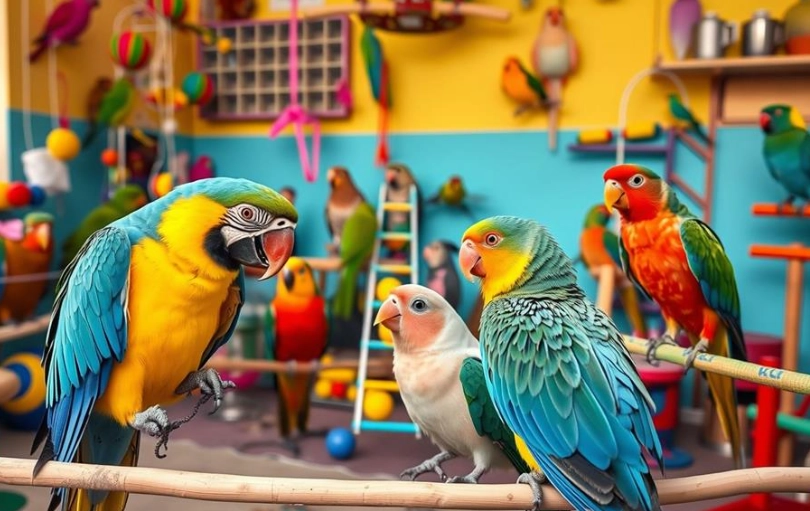
What Are Bird Training Techniques Really About?
If you think training is just about teaching a parrot to say "hello" or a cockatiel to whistle a tune, you're missing the bigger, more beautiful picture. At its core, training is communication and enrichment. In the wild, a bird's day is filled with problem-solving: finding food, navigating complex social flocks, avoiding predators. In our homes, their world can shrink to a cage, a few toys, and us. Training fills that mental gap. It gives them a job. It builds confidence in shy birds and channels energy in boisterous ones.
It's also about safety. A bird that reliably steps onto your hand is easier to retrieve if it gets spooked and flies somewhere unsafe. A bird that's comfortable being towel-wrapped for nail trims or vet exams is a bird that experiences far less stress during necessary care. So you're not just making a cool party trick; you're building a foundation for a safer, less stressful life for your pet.
The One Principle Everything Else Hinges On: Positive Reinforcement
Forget everything you've seen in old movies about scolding or punishing a bird. It doesn't work. It creates fear, breaks trust, and can lead to aggression or neurotic behaviors like feather plucking. The golden rule, supported by decades of animal behavior science, is positive reinforcement.
It's beautifully simple: you reward the behavior you want to see, and that behavior becomes more likely. The reward (or "reinforcer") is something your bird loves—a tiny piece of pine nut, a bit of millet, a head scratch, or enthusiastic verbal praise. The moment your bird does something you like, you "mark" the behavior with a sound (like a clicker or a specific word like "Good!") and immediately give the reward. This connects the action with the payoff in the bird's mind.
Why is this the cornerstone of all modern, ethical bird training techniques? Because it puts the bird in the driver's seat. They learn that their actions have pleasant consequences. They become willing participants, eager to figure out what earns them that yummy treat. It's cooperative, not coercive. Organizations like the Animal Behavior Society have extensive resources on the science behind this method, which is used for everything from family pets to zoo animals.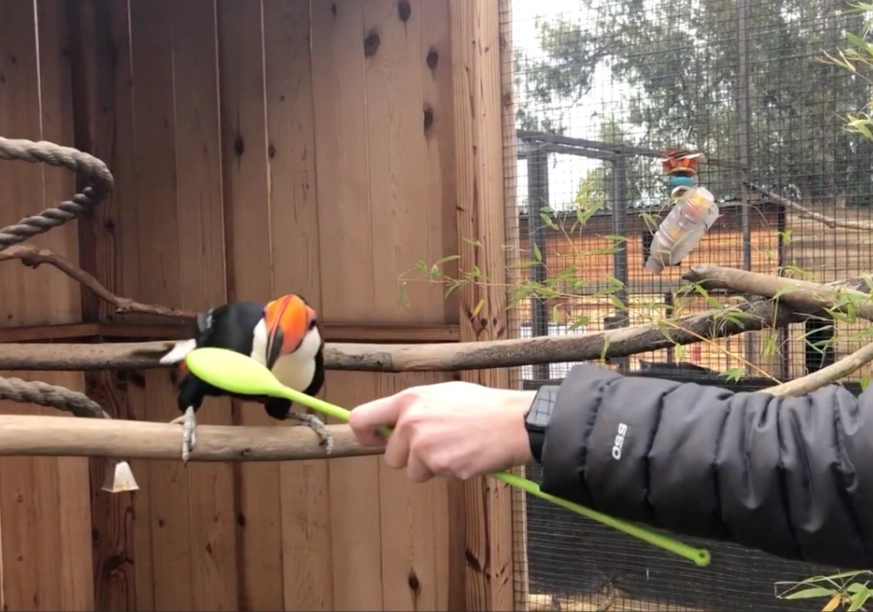
I made the mistake early on of trying to force Kiwi to step up when he didn't want to. The result? A bird who would run away from my hand. When I switched to rewarding him just for looking at my hand, then for touching it with his beak, then for putting one foot on it, everything changed. He started offering the behavior himself.
Not All Birds Are The Same: Tailoring Your Approach
A macaw isn't a finch. A cockatoo isn't a dove. Their brains, motivations, and social structures are different. What works for training a highly social, problem-loving African Grey might overwhelm a timid canary. Understanding your bird's natural history is a huge advantage.
| Bird Type / Species Examples | Key Motivators & Learning Style | Training Considerations & Best Techniques |
|---|---|---|
| Parrots (African Greys, Amazons, Cockatoos, Conures, Budgies/Parakeets) | Highly social, intelligent, crave mental stimulation. Motivated by food, social interaction (praise, scratches), and novel objects. | Excel at complex tricks, speech, and puzzle-solving. Need short, engaging sessions to prevent boredom. Can get frustrated easily—keep it positive. Clicker training works exceptionally well. |
| Songbirds (Canaries, Finches) | Often more visually oriented and can be timid. Motivated by favorite seeds, nesting material, or bath opportunities. Less obviously "interactive" than parrots. | Focus on simple, stress-free target training. Great for teaching them to go to a specific perch or enter a carrier voluntarily. Training is often about habituation and trust-building more than complex cues. Move slowly. |
| Birds of Prey (Falconry-trained Hawks, Falcons) | Motivated almost exclusively by food (prey). Operant conditioning is the ancient basis of falconry. | Training is based on creating a strong association between the handler and food provision. Specialized and not typical for pet keeping. Requires immense expertise. |
| Doves & Pigeons | Often calm and food-motivated. Excellent at recall and target training. | Underrated learners! Respond well to calm, consistent positive reinforcement. Can be trained for simple flying recalls to the hand. |
See what I mean? Your strategy changes based on who's sitting on the perch. A study highlighted by the British Trust for Ornithology discusses the incredible spatial learning in pigeons, which is a different kind of intelligence than the tool-use seen in some corvids. Knowing this helps you pick the right game to play.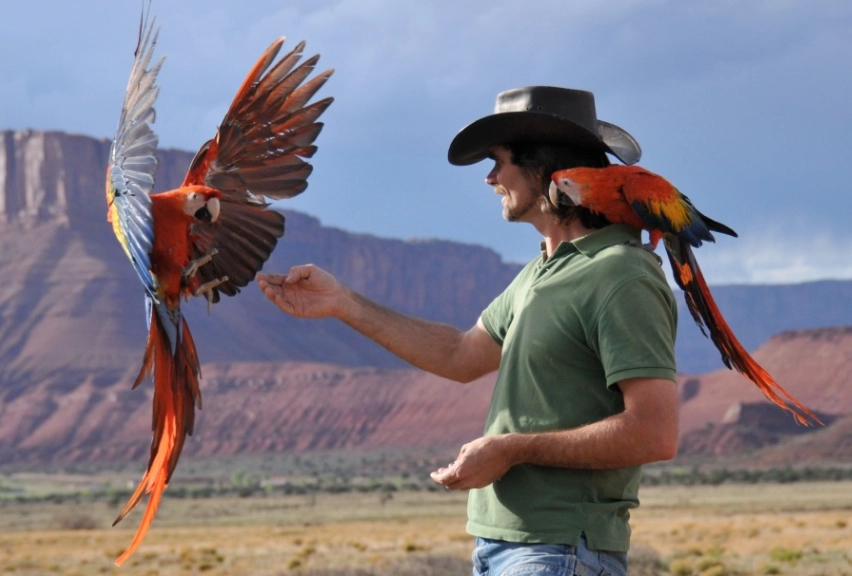
Your Step-by-Step Training Toolkit
Alright, let's get practical. Here’s how to build your training sessions from the ground up. You don't need fancy gear. You need patience, good timing, and a bird who's slightly hungry (training before a meal works best).
Step 1: The Foundation – Building Trust and Setting the Stage
You can't train a bird that's terrified of you. If your bird is new or skittish, spend days or weeks just being a non-threatening source of good things. Sit by the cage, talk softly, offer treats through the bars without demanding anything in return.
Choose a quiet, familiar room with minimal distractions. Keep sessions short—5 to 10 minutes max, even 2 minutes for beginners. It's better to end on a high note with the bird wanting more than to push until they're bored or frustrated.
Step 2: The First “Word” – Target Training
This is the most useful and fundamental of all beginner bird training techniques. It teaches your bird to touch a target (like a chopstick or a pencil with a colored tip) with its beak. Why? Because once you can guide that beak, you can guide the bird. You can use it to teach them to step up, go into a carrier, or move around a play gym.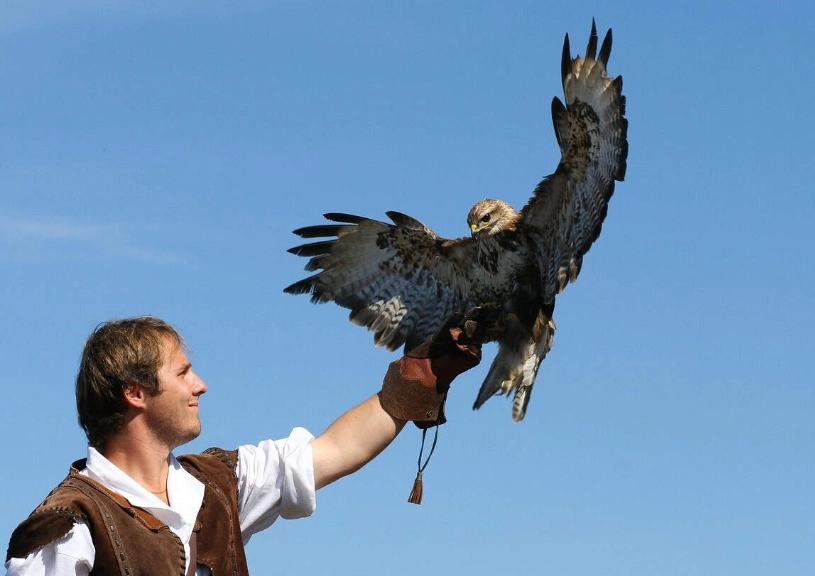
Here’s how:
1. Present the target stick near your bird's beak.
2. The moment they show curiosity—even just a look or a sniff—click (or say "Good!") and give a treat.
3. Repeat. Soon, they'll intentionally touch the stick. Click and treat immediately!
4. Gradually move the stick so they have to take a step or turn to touch it.
It's that simple. This was the first real breakthrough with Kiwi. Within two sessions, he was chasing that chopstick around his playtop. It gave us a common language.
Step 3: The Essential Behavior – The Reliable "Step Up"
This is the "come here" of the bird world. Using your target stick or your finger as a perch, lure your bird to step onto it. The second their foot makes contact, mark and reward lavishly. Never force them. If they refuse, go back to an easier step (like targeting) and try again later.
The goal is a calm, voluntary step up from anywhere, anytime. This single behavior makes everything else—vet visits, nail trims, emergency retrievals—infinitely easier.
Step 4: Leveling Up – Recall, Tricks, and Speech
Once you have targeting and step-up down, the world opens up.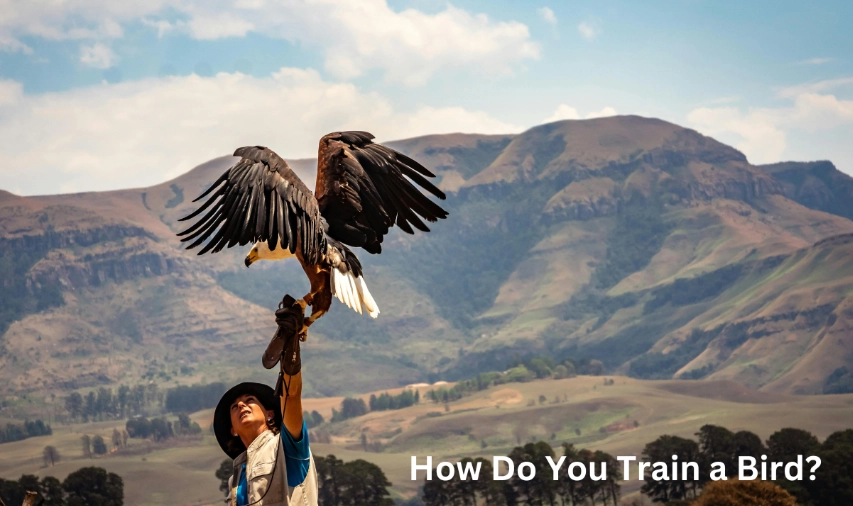
- Recall (Flying to You): Start with very short distances. Ask for a step-up from a perch just inches from your hand. Gradually increase the distance. Always reward hugely when they fly to you. This builds a fantastic bond and is great exercise.
- Simple Tricks: Turn around, wave, fetch a tiny ball. These are just chains of behaviors broken down and shaped with the target stick and rewards. The World Parrot Trust emphasizes that such enrichment is vital for psychological health in captivity.
- Speech & Sounds: Parrots mimic what they hear frequently and associate with positive events. Narrate your actions calmly. When they make a sound that resembles a word you say, immediately reward with attention and a treat. Don't get frustrated; not all parrots will talk, and that's okay.
Top 5 Common Behavior Problems (And How to Fix Them Without Yelling)
This is where most people search for help. Your bird isn't being "bad." They're communicating a need, a fear, or a natural instinct. Punishment makes these worse. Here’s how to apply your bird training techniques to solve them.
1. Biting
This is the big one. First, learn to read body language: pinned eyes, raised feathers, a crouched stance mean "back off." Respect that. If a bite happens, don't yell or jerk away dramatically (that can be a rewarding game for them). Stay calm, put the bird down gently, and walk away for a minute—withdrawing your attention is a powerful consequence. Figure out the trigger. Are you invading their space? Did you miss their warning signs? Train alternative behaviors, like teaching them to "step up" onto a perch instead of your hand when they're grumpy.
2. Excessive Screaming
Birds scream. It's natural. The problem is attention-seeking screaming. The golden rule: never reward the scream. Do not run over, yell, or look at them. Be a statue. The second there is a pause of quiet, even two seconds, immediately go over and reward with attention or a treat. You're training the quiet, not the noise. Also, ensure they get 10-12 hours of quiet, dark sleep—an overtired bird is a screamy bird.
3. Feather Plucking
This is complex and often medical first, behavioral second. Your first stop must be an avian vet. Rule out skin infections, parasites, or nutritional deficiencies. If it's behavioral (boredom, stress, habit), training is part of the solution. Increase foraging activities (hide food in toys), provide more baths, and use training sessions to redirect the plucking energy. It's a long, tough road, and patience is key. The Association of Avian Veterinarians is a critical resource for finding a qualified vet.
4. Fearfulness
For scared birds, training is about tiny, tiny steps. This is called desensitization and counter-conditioning. Is your bird afraid of a new toy? Place it across the room. Reward your bird for calm behavior. Over days, move it closer, inch by inch, always pairing its presence with treats. Let the bird set the pace. Rushing this destroys trust.
5. Refusing to Go Back in the Cage
Make the cage the best place! Feed all meals and favorite treats inside. Train a "go to cage" cue using your target stick, and reward heavily with a jackpot of treats when they enter. Never use going into the cage as a punishment. You want it to be their safe den, not a prison.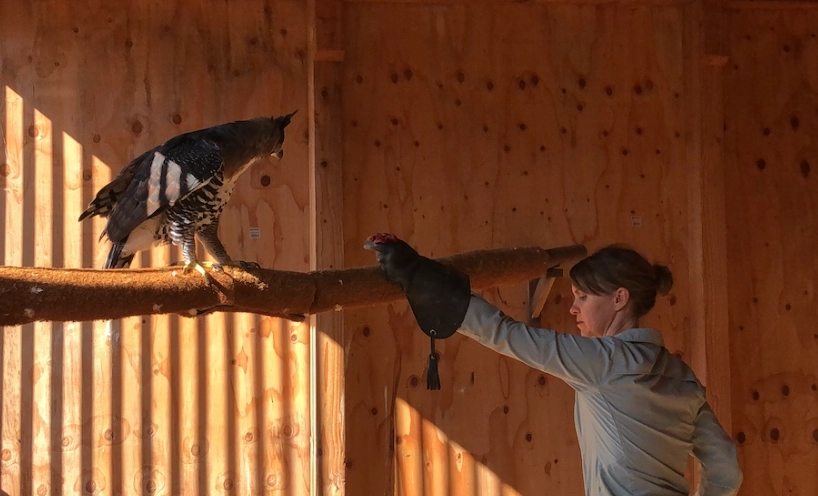
Mistakes I've Made (So You Don't Have To)
Let me be blunt—I've messed up. We all do. Here are my top blunders in applying bird training techniques:
- Getting Impatient: I'd try to get Kiwi to learn a new trick in one session. When he didn't, I'd get frustrated, and he'd shut down. Birds sense our energy. If you're not in a patient, playful mood, skip training that day.
- Making Sessions Too Long: Fifteen minutes of drilling a behavior is boring for anyone. Kiwi would just fly away. Short and sweet always wins.
- Using Low-Value Treats: Trying to train with his regular pellet food was a joke. Why would he work for his boring breakfast when he could just wait and get it for free? High-value treats are non-negotiable.
- Missing the Timing: The click or "Good!" has to happen the exact moment the desired behavior occurs, not two seconds later when they've already looked away. Bad timing teaches the wrong thing.
Training isn't linear. Some days are great, some days feel like you've gone backwards. That's normal. Just keep the sessions positive.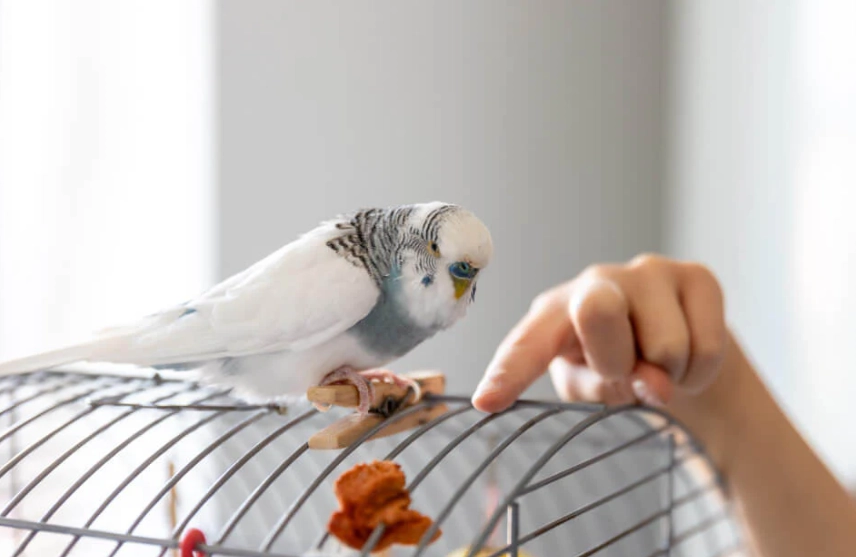
Questions Bird Owners Actually Ask (FAQ)
Wrapping It All Up
Look, bird training techniques are just a structured way to be a better friend to your bird. It's about listening more than commanding. It's about rewarding the good stuff and intelligently managing the not-so-good stuff. It requires you to be observant, patient, and consistent.
The payoff isn't just a bird that does a cute trick. It's a deeper bond. It's a bird that willingly chooses to be with you. It's the confidence you see in their eyes when they figure out a new puzzle. It's the ability to care for them with minimal stress.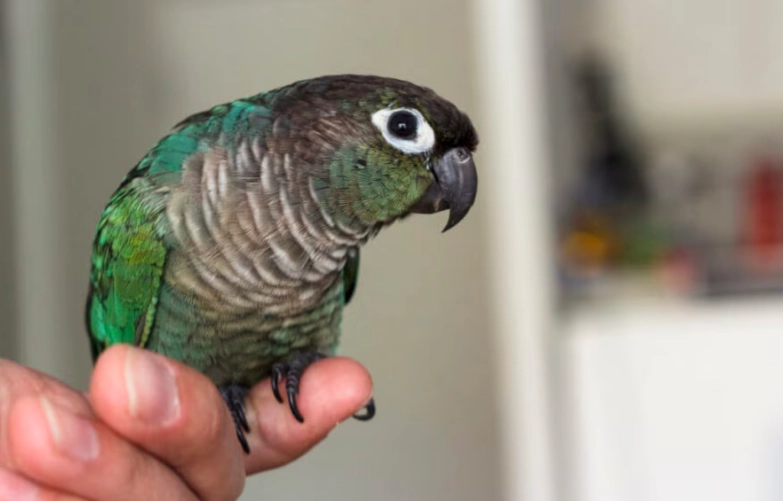
Kiwi still chews my things sometimes. He still has his loud moments. He's a bird, after all. But now we understand each other. He flies to me when I call him because he wants to, not because he has to. And that feeling—that partnership—is worth every bit of the effort. You can get there too. Just pick up that target stick, grab some sunflower seeds, and start the conversation.



Join the Conversation