Your Reading Roadmap
Let's be real for a second. The dream of a perfectly litter-trained cat, peacefully doing its business in a pristine box, can sometimes feel miles away from the reality of a smelly corner, scattered litter, or worse, a surprise on your favorite rug. I've been there. I once had a cat who decided the bathtub was a far superior option, and let me tell you, cleaning that up first thing in the morning is a special kind of wake-up call.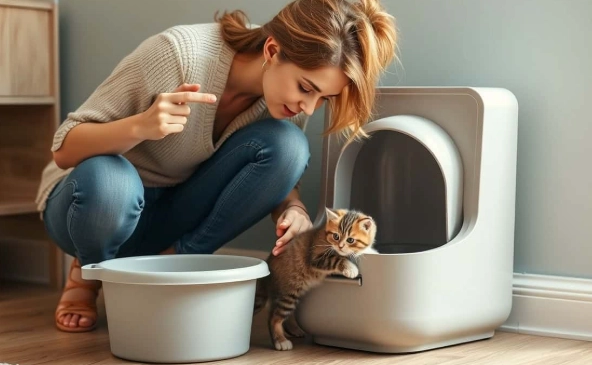
But here's the good news: cat litter box training doesn't have to be a battle of wills or a source of constant frustration. Most of the time, it's less about "training" in the dog-obedience-school sense and more about setting up an environment where your cat wants to use the box. It's about speaking their language and understanding their weird, wonderful feline logic. This guide is here to translate that for you, to strip away the confusion and give you a clear, step-by-step path to litter box harmony.
We'll cover everything. I mean everything. From picking the right box (who knew there were so many kinds?) and the confusing world of cat litter, to introducing a kitten or retraining an older cat who's developed some bad habits. We'll also dive deep into the "why" behind the accidents, because solving a problem without understanding the cause is just putting a band-aid on a leaky pipe.
Setting the Stage for Success: The Litter Box Foundation
Think of this like setting up a home office. If your desk was wobbly, the chair uncomfortable, and the room too loud, you'd find anywhere else to work, right? Your cat's litter box is their bathroom office. Get the fundamentals wrong, and they'll start submitting their work… elsewhere.
The Great Litter Box Debate: Size, Style, and Number
First rule: bigger is almost always better. The standard plastic box you get at the supermarket is often too small for an average adult cat. They should be able to turn around comfortably, dig, and cover without feeling cramped. A good rule of thumb is a box that's at least 1.5 times the length of your cat from nose to tail.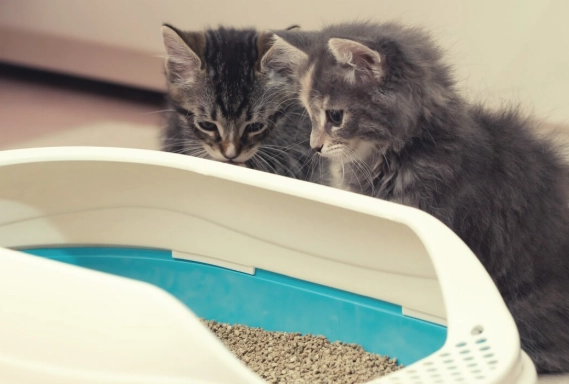
Then there's the style. Hooded boxes offer privacy and contain litter scatter, but some cats feel trapped or dislike the concentrated smell inside. Open boxes are easy to access but offer zero mess control. Top-entry boxes are fantastic for stopping litter-kicking champions and curious dogs, but older or less agile cats might struggle to jump in.
And the number? This is non-negotiable. The golden rule is one litter box per cat, plus one extra. So, one cat needs two boxes. Two cats need three. It prevents resource guarding, gives them options if one box is "unacceptable," and is just plain good hygiene. Place them in quiet, low-traffic, but easily accessible locations. Not next to the blaring washing machine, and not right next to their food and water bowls (would you want to eat in your bathroom?).
Navigating the Litter Aisle: A Minefield of Choices
Clay, silica gel, pine, wheat, corn, recycled paper… the options are overwhelming. Your cat has a strong preference here, and it's your job to figure it out. Most cats prefer a fine-grained, sand-like texture that's soft on their paws. Unscented is almost universally better than scented—our idea of "mountain breeze" is their idea of an overpowering chemical assault that masks important information.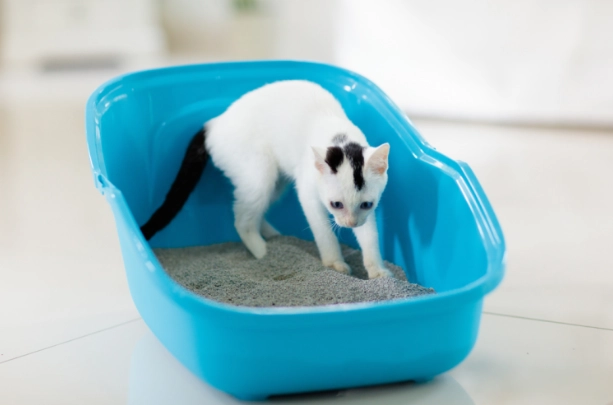
Clumping litter is popular for a reason—it makes daily scooping a breeze. But some kittens or cats with respiratory issues might do better with a non-clumping, dust-free alternative. The best advice? Start with an unscented, fine-grained clumping clay litter. It's the most widely accepted. You can experiment later once good habits are established.
How deep should the litter be? Aim for about 2-3 inches. Too shallow, and they can't cover properly. Too deep, and it's wasteful and some cats don't like sinking in.
The Training Process: From Kitten to Senior Cat
Okay, you've got the perfect setup. Now, how do you actually get the cat to use it?
Training a Kitten: Nature's Little Helper
Kittens often learn litter box use from their mother. When you bring a kitten home, the process is mostly about reinforcement and making it easy for them. Place them in the box after they wake up, after they eat, and after a play session. Gently take their front paw and make a scratching motion in the litter. Don't force it, just show them.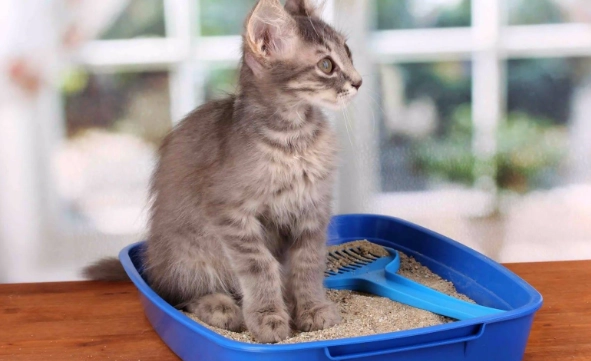
Keep the kitten and their box in a small, confined room (like a bathroom) for the first few days. This makes the box the only logical choice. Praise them gently when they use it correctly. Never punish for accidents—just clean it up thoroughly with an enzymatic cleaner (more on that later) and put the waste in the box to help associate the smell with the right spot.
Kitten cat litter box training is usually quick if you're consistent. Their bladders are tiny, so they need to go often. Watch for signs like sniffing the ground, circling, or crying—scoop them up and pop them in the box.
Training an Adult or Rescue Cat
For an adult cat, the principles are similar but you're working with an established personality. Start with confinement in a single room with the box, food, water, and bed. This is the single most effective technique. It removes confusion and establishes a strong habit.
Once they're reliably using the box in that room for a few days, you can gradually give them access to more of the house. You might even add a second box in the new area. For a cat that seems completely clueless, you can try Dr. Elsey's Cat Attract litter, which has herbs that naturally draw cats to it. I was skeptical, but I've known folks in rescue who swear by it for hard cases.
When Things Go Wrong: The Troubleshooting Bible
This is where most people panic. Your cat was using the box perfectly and then suddenly… they're not. Before you get angry or despair, remember this: Cats don't have accidents out of spite. They are either medically unwell, stressed, or telling you that something about their bathroom situation is unacceptable. It's a symptom, not a behavioral flaw.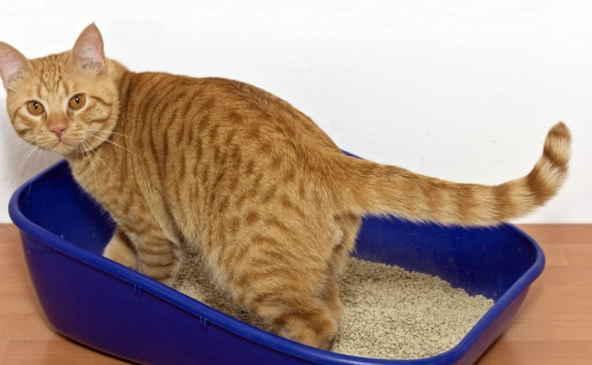
The Medical Check-Up: Rule This Out First
Any sudden change in litter box habits warrants a vet visit. Urinary tract infections (UTIs), bladder stones, kidney disease, arthritis (making it painful to get into the box), diabetes, and other conditions can all cause a cat to associate the box with pain or have such urgency they can't make it in time. This is non-negotiable. A clean bill of health from the vet is step one in any troubleshooting plan. Organizations like the Cornell Feline Health Center have excellent resources on feline urinary health that underscore why this is so critical.
The Detective Work: Common Causes and Solutions
Once medical issues are ruled out, put on your detective hat. Here’s a breakdown of common problems and what your cat might be trying to say:
| Problem & "Symptom" | What Your Cat is Likely Feeling | Potential Solutions to Try |
|---|---|---|
| Going right next to the box: Pooping or peeing on the floor beside the litter box. | "The box itself is disgusting or scary." Too dirty, wrong litter, pain upon entry (from arthritis or a UTI), or a bad experience (like being ambushed by another pet there). | Scoop 1-2 times daily. Do a full litter change weekly. Try a larger, shallower box (for arthritis). Ensure the location is safe and private. |
| Choosing soft surfaces: Going on beds, carpets, or laundry piles. | "I need something softer." This can be a preference, or it can signal a medical issue like cystitis causing pain. It can also be a marking behavior due to stress. | Try a softer litter (like a fine paper or pine). Rule out medical issues first. Use an enzymatic cleaner on accidents. Provide more vertical space and play to reduce stress. |
| Spraying/Marking: Standing and spraying small amounts of urine on vertical surfaces (walls, furniture). | "I am stressed and need to claim my territory." This is a communication behavior, often triggered by other animals (inside or seen outside), new people, or changes in the home. | Neuter/spay if not already done (reduces marking in ~90% of cases). Use synthetic pheromone diffusers (like Feliway). Block visual access to outdoor cats. Increase environmental enrichment. |
| Sudden avoidance after years of use: A long-time habit that abruptly stops. | "Something changed and I don't like it." A new type of litter, a new scented cleaner used on the box, a new noisy appliance nearby, or a new pet/child disturbing them. | Revert any recent changes. Move the box back to its old location. Use unscented cleaners. Provide an additional box in a new, quiet location as an alternative. |
The key is observation. Is it happening in one specific spot? Try placing a litter box right on that spot. Is it only when you're away? Could be separation anxiety. The ASPCA's guide to litter box problems is a fantastic, detailed resource that aligns with this detective approach.
The Clean-Up That Actually Works
If you don't clean an accident properly, the smell remains (to your cat's superior nose) and invites repeat offenses. Regular household cleaners or ones with ammonia (which smells like urine to a cat) won't cut it. You need an enzymatic cleaner. These contain live bacteria that literally eat the urine or feces proteins, eliminating the odor at the source. Soak the area thoroughly, let it dry completely. For carpets, you might need to repeat. This step is crucial for breaking the cycle of cat litter box training regression.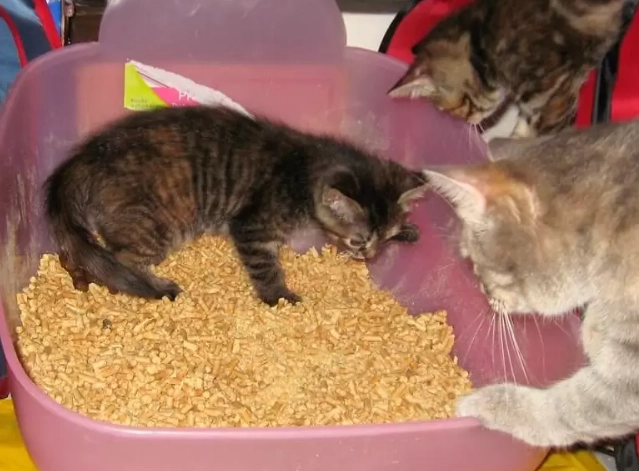
Advanced Topics & Your Lingering Questions
Let's tackle some specific scenarios and questions that keep cat owners up at night.
Training Multiple Cats in One Household
This is where the "+1" box rule is your holy grail. Place boxes in multiple locations, not all in one room. This prevents a more dominant cat from blocking access to all boxes at once. Some cats won't use a box another cat has just used, so more boxes mean fresher options. Watch for tension. If one cat is being bullied or stalked near a box, they'll find a safer, quieter place to go—like your closet.
Dealing with a Cat Who Kicks Litter Everywhere
Some cats are just enthusiastic diggers. A top-entry box is the most effective solution, as the cat has to climb out, leaving most litter behind in the box. A high-sided box or a litter-catching mat (the kind with honeycomb holes) around the box can also help. But honestly, a little sweeping is a small price to pay for a cat who happily uses their box.
Can You Train a Cat to Use the Toilet?
Those viral videos are tempting, but most animal behaviorists advise against it. It goes against a cat's natural instinct to dig and cover. It can be stressful, and it eliminates your ability to monitor their health (changes in urine or stool are early illness indicators). It's a party trick, not a practical or kind solution for most cats. Stick with a litter box.
Quick-Fire FAQ
Look, at the end of the day, success in cat litter box training comes down to empathy. Seeing the world from a few inches off the ground, with senses much sharper than our own. It's about providing choice, cleanliness, and calm. When you do that, you're not just training your cat—you're building trust. And a clean floor is just a happy side effect.
It's a process. You might have setbacks. You'll definitely scoop a lot of poop. But getting it right is one of the most fundamental ways to ensure a long, happy, and low-stress life together with your cat. And that's worth every bit of effort.



Join the Conversation