Your Quick Guide
- The Daily Health Check: Your Five-Minute Routine
- Building the Perfect Diet: It's More Than Just Pellets
- Creating a Health-Promoting Habitat
- Common Health Problems: What to Watch For
- When It's an Emergency: Don't Hesitate
- Your Guinea Pig Health Questions, Answered
- Putting It All Together: A Long, Happy Life
Let's be honest for a second. When you first brought home that little ball of squeaking fur, you probably thought, "How hard can it be?" A cage, some hay, a few pellets, good to go. I thought the same thing. Then my first guinea pig, Butterscotch, got a little lethargic. Nothing major, just less popcorning. A vet visit later, and I learned about vitamin C deficiency—something I had zero clue about. That's when I realized guinea pig health is a universe of its own, full of tiny details that make a huge difference between a pet that just survives and one that truly thrives.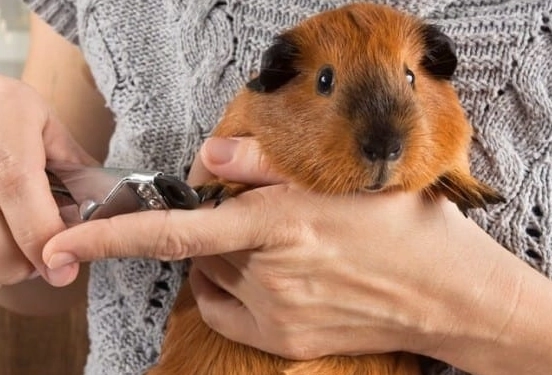
This guide isn't about scaring you. It's the opposite. It's the map I wish I had. We're going to walk through everything, from the daily basics you can't skip to the scary "what if" scenarios, so you feel confident and prepared. Because a healthy guinea pig is a chatty, popcorning, wonderfully messy joy to have around.
The Daily Health Check: Your Five-Minute Routine
You don't need to be a vet to spot the early warning signs. Most guinea pig health problems give you hints long before they become emergencies. The trick is knowing what to look for, and making it a habit. Think of it like checking your phone in the morning—do it while you're topping up their hay or having a little chat.
Here’s your quick daily checklist. I do this during lap time or veggie feeding, it takes no time at all.
- Eyes & Nose: Bright, clear, and dry. Any crustiness, discharge, or squinting is a red flag. A runny nose can be a sign of an upper respiratory infection, which is serious for these little guys.
- Ears: Clean inside. Look for any dark wax or debris, which could mean mites.
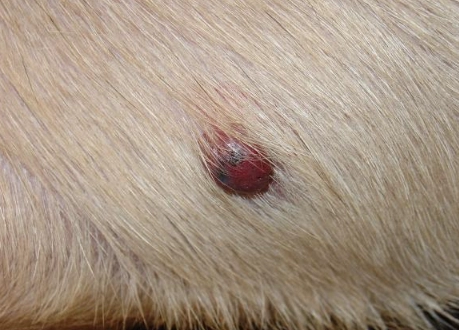
- Fur & Skin: Smooth, full, and free of bald patches or flaking. Part the fur and check the skin for any redness, sores, or moving specks (lice or mites).
- Teeth: This is a big one. Their teeth should line up evenly. Overgrown teeth (malocclusion) is a common and painful issue that prevents eating.
- Weight: The single best indicator of health. Weigh them weekly with a kitchen scale. A sudden drop is often the first and only sign of illness. Keep a simple log.
- Bottom Check: Crucial. The area must be clean and dry. Feces should be firm and oval. Urine shouldn't be gritty or bloody. A dirty bottom can lead to flystrike, a horrific and life-threatening condition.
Building the Perfect Diet: It's More Than Just Pellets
This is where most mistakes happen, mine included. A proper diet is the absolute cornerstone of guinea pig health. Get this wrong, and you're fighting an uphill battle with everything else.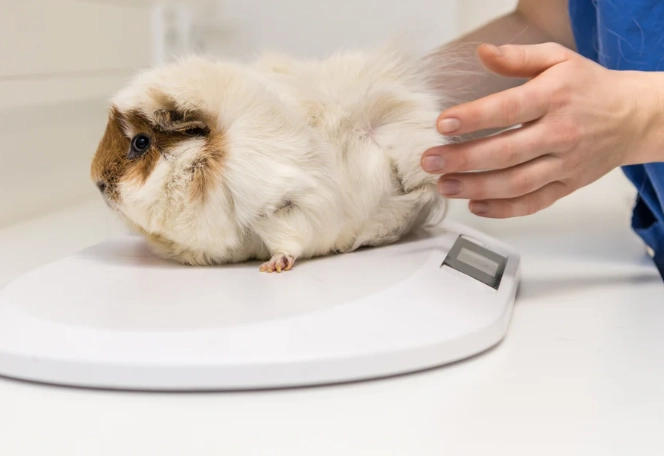
The Unshakeable Foundation: Hay, Hay, and More Hay
It should make up about 80% of what they eat. Unlimited, 24/7 access to fresh, high-quality grass hay (like Timothy or Orchard grass) is non-negotiable. It wears down their constantly growing teeth and keeps their gut moving. Alfalfa hay is too rich in calcium and protein for adult pigs—save it for young, pregnant, or nursing ones.
If they're not eating enough hay, nothing else in their diet will work properly. It's that simple.
The Vitamin C Lifeline: Fresh Veggies Daily
Guinea pigs, like humans, cannot make their own vitamin C. Without it, they get scurvy—weak, sore, and prone to every other illness. A quality pellet fortified with vitamin C helps, but it degrades over time. Fresh veggies are your reliable source.
Top Vitamin C Veggie Picks:
- Bell Peppers (any color): The gold standard. Low in sugar, packed with Vitamin C. The green ones are usually cheapest.
- Dark Leafy Greens: Romaine lettuce, cilantro, kale (in moderation due to calcium), and parsley.
- Others: Broccoli florets, tomato (fruit only, not leaves/stem).
A good handful per pig per day, split between morning and evening feeds, does the trick.
Pellets & Treats: The Supporting Cast
Pellets are a supplement, not the main course. For an adult pig, about 1/8 cup of plain, timothy-based pellets per day is plenty. Avoid mixes with colorful bits, seeds, or dried fruit—they pick out the junk and leave the healthy stuff.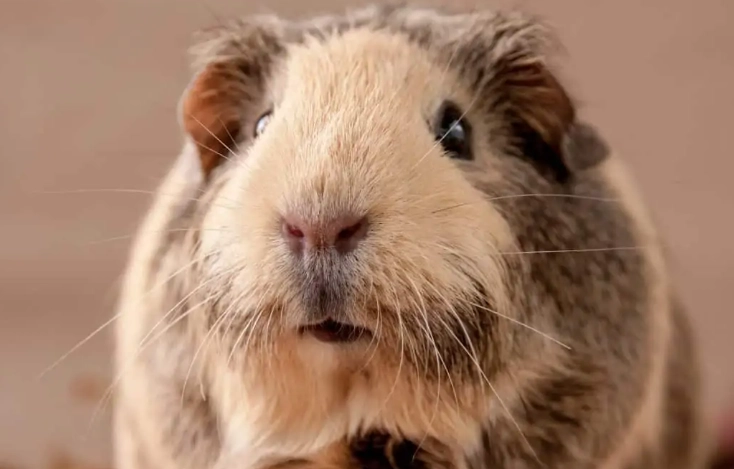
Treats? Fresh is best. A blueberry, a slice of strawberry, a small piece of apple. Commercial "yogurt drops" or seed sticks are terrible—full of sugar and fat. I made that mistake early on, buying the cute-looking treats. Never again. They're junk food.
Foods to Absolutely Avoid:
Some foods are toxic. Others just cause digestive havoc. Never feed: onions, garlic, leeks, chives, potato tops or raw potato, rhubarb, avocado, chocolate, or anything dairy-based. Their digestive systems are not built for it.
Creating a Health-Promoting Habitat
Their home is their world. A cramped, dirty, or boring cage is a direct threat to their physical and mental guinea pig health.
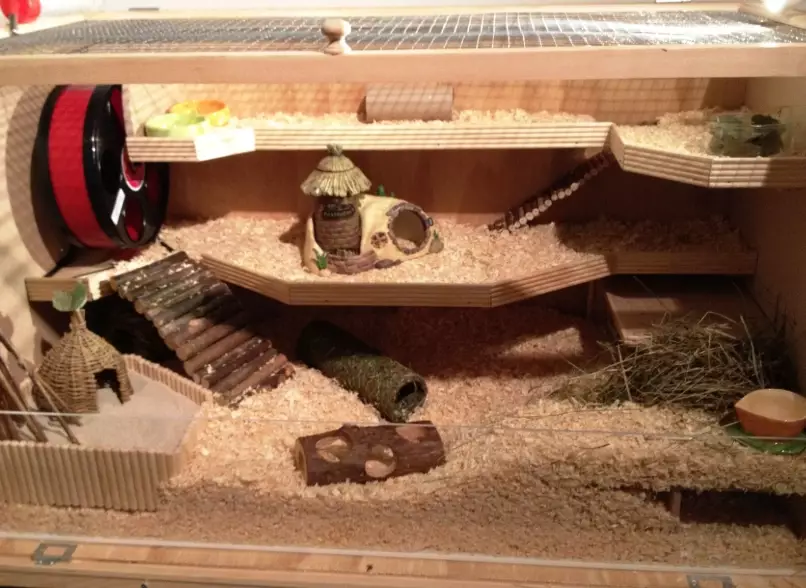
Space is Everything. The old pet store cage sizes are cruel and outdated. The absolute minimum for two pigs, as recommended by organizations like the Humane Society of the United States, is about 7.5 square feet, but 10.5 square feet or more is where they start to really behave like guinea pigs—running, popcorning, having separate areas for eating and sleeping. Go bigger if you can. C&C (Cubes & Coroplast) cages are a game-changer for this.
Bedding Choices Matter. You've got options, each with pros and cons.
| Bedding Type | Pros | Cons | Best For |
|---|---|---|---|
| Fleece Liners | Reusable, cost-effective long-term, soft on feet, great for displaying piggie personalities! | Upfront cost, requires laundry (shake, wash, dry), needs an absorbent layer underneath. | Dedicated owners who don't mind extra laundry cycles. |
| Paper-Based Bedding (e.g., Carefresh) | Highly absorbent, controls odor well, dust-free options available, disposable. | Ongoing expense, can be kicked out of the cage, some brands can be pricey. | Most owners; a reliable, low-hassle standard. |
| Aspen Wood Shavings | Absorbent, relatively inexpensive, naturally controls odor. | Can be dusty (choose low-dust brands), not as soft, pieces can be tracked around. | Budget-conscious owners who avoid cedar/pine. |
A quick note: Never use cedar or pine shavings (unless kiln-dried). The aromatic oils can cause severe respiratory and liver issues.
Cleanliness = Health. Spot clean soiled areas daily. Do a full cage clean (replace all bedding, wash the base) at least weekly. A dirty cage breeds bacteria and ammonia from urine, which burns their lungs and leads to respiratory infections. If you smell ammonia, you've waited too long.
Common Health Problems: What to Watch For
Even with perfect care, things can happen. Knowing the common issues helps you act fast.
Respiratory Infections (The Sniffles That Aren't)
One of the most common emergencies. Symptoms include sneezing, coughing, labored breathing (you might see their sides working hard), crusty eyes/nose, and lethargy. This is not a "wait and see" situation. It requires prompt vet care with antibiotics safe for guinea pigs (never use penicillin-based drugs, as they are toxic).
Gut Stasis (The Silent Killer)
Their digestive system must keep moving. If it slows or stops (ileus), it's life-threatening within hours. Causes include pain, stress, or a poor diet. Signs: No fecal pellets, loss of appetite, a hunched posture, and a hard, bloated belly. This is a dire emergency. Treatment involves vet-prescribed gut motility drugs, pain relief, and critical care feeding.
Urinary Problems
Stones (bladder or kidney) and sludge are painful and common, often linked to genetics and diet (excess calcium). Signs are squeaking while urinating, blood in urine, straining, or a gritty feel to the urine. Reducing high-calcium veggies (like spinach and kale) and ensuring plenty of fresh water can help prevent it.
Skin Parasites: Mites and Lice
Mites (especially mange mites) are microscopic and cause intense itching, hair loss, and scabs. It looks terrible and is incredibly painful. Lice are visible as tiny moving specks. Both require prescription treatment from a vet (like Ivermectin). Over-the-counter remedies are often ineffective and unsafe.
The #1 Rule: Find Your Exotic Vet NOW
Don't wait for an emergency to look for a vet. Most regular cat/dog vets are not fully trained in guinea pig medicine. Search for an "exotic" or "small mammal" vet. Call and ask if they see guinea pigs regularly. Having their number saved is the most important item in your guinea pig health toolkit. Resources like the Association of Exotic Mammal Veterinarians (AEMV) have locator tools.
When It's an Emergency: Don't Hesitate
Some situations mean you need to get to a vet immediately, day or night.
- Not eating or drinking for 12 hours. Their metabolism is fast. This is a major red flag.
- No fecal output. A clear sign of gut stasis.
- Difficulty breathing. Open-mouth breathing, wheezing, blue-tinged gums/tongue.
- Severe diarrhea or bloody stool/urine.
- Inability to move, severe lethargy, or obvious pain (loud, constant teeth chattering).
- Any injury (fall, dog/cat attack, deep cut).
Trust your gut. If you're deeply worried, it's better to go and be told it's minor than to wait and regret it.
Your Guinea Pig Health Questions, Answered
Putting It All Together: A Long, Happy Life
It might seem like a lot of information. But in practice, it becomes a simple, loving routine. Fresh hay, clean water, daily veggies, a big clean cage, a friend to chat with, and your watchful eyes. That's the recipe.
The goal isn't perfection. It's attentive, informed care. You'll make mistakes—we all have. I've overfed fruit, missed a nail trim, and panicked over a harmless sneeze. The key is to learn and keep going.
Investing in your guinea pig's health pays back a thousand times in those happy wheeks when you open the fridge, the gentle purrs during lap time, and the years of companionship. It's about giving these wonderful, quirky little creatures the thriving life they deserve. Start with the basics—the hay, the space, the vet number—and build from there. You've got this.


Join the Conversation