Quick Navigation
Hey there! So you're thinking about bringing a small furry friend into your home, or maybe you've already got one and want to make sure you're doing everything right. Let's be honest, the internet is full of conflicting advice. One site says one thing about hamster cages, another says the complete opposite. It's enough to make your head spin.
I remember when I got my first rabbit, years ago. I was so excited, but also completely clueless. I followed some outdated advice from a pet store employee, and let's just say it didn't go smoothly. That experience taught me the hard way that proper small pet care at home isn't just about filling a food bowl and cleaning a cage once in a while. It's about creating a whole little world where they can be happy, healthy, and express their natural behaviors.
That's what this guide is for. We're going to cut through the noise and talk about the real, practical stuff. No fluff, just actionable tips you can use today. Whether you have a hamster, guinea pig, rabbit, rat, or gerbil, the core principles of creating a safe and enriching home environment are surprisingly similar. We'll dive into habitat setup, diet, health, behavior, and those little questions that keep you up at night.
Really, it all comes down to thinking like your pet.
Picking the Right Roommate: It's More Than Just Cuteness
This is where it all starts, and honestly, it's where a lot of people trip up. You see a cute guinea pig in a video and suddenly you need one. I get it! But different small pets have wildly different needs, and matching those needs to your lifestyle is the first and most crucial step in successful home care for small pets.
Let's break down the usual suspects. This isn't about ranking them as "best" or "worst," but about fitting their personality to yours.
Think about your schedule: Are you a night owl or an early bird? Some pets are nocturnal (active at night), some are crepuscular (active at dawn/dusk), and some are diurnal (active during the day). This affects when you'll actually get to interact with them.
Syrian Hamsters: The classic solo artist. They are strictly solitary and will fight—sometimes to the death—if housed with another hamster. They're nocturnal, so expect most of their wheel-running and cage redecorating to happen after you've gone to bed. They can be tamed but often prefer exploring over cuddling. Great for observers.
Dwarf Hamsters (Roborovski, Campbell's, Winter White): Sometimes can be kept in same-sex pairs or small groups if introduced young, but it's not always a guarantee. They're tiny, fast, and can be harder to handle. More of a "look, don't touch" pet for many owners, though some bond closely.
Guinea Pigs: The social butterflies. They must have at least one friend of the same sex. The RSPCA and other welfare organizations state this as a basic requirement. They're diurnal, chatty (with a huge vocabulary of wheeks and purrs), and generally less skittish than hamsters. They need a lot of floor space, not height.
Rabbits: Another highly social species that does best in bonded pairs. They're crepuscular. Their care is more complex—they need large, pen-style enclosures, not small cages, and require specific diets and litter training. They can live 8-12 years, so it's a long-term commitment. They're incredibly rewarding but need an owner ready for the responsibility.
Rats: Arguably the most dog-like of small pets in terms of intelligence and social bonding. They must be kept in same-sex groups (two minimum). They're highly social, playful, clean, and love interacting with their humans. The downside? Their lifespan is painfully short, typically only 2-3 years.
See what I mean? Choosing between a solitary, nocturnal hamster and a social, daytime guinea pig is a massive difference in the daily reality of your small pet care tips at home routine.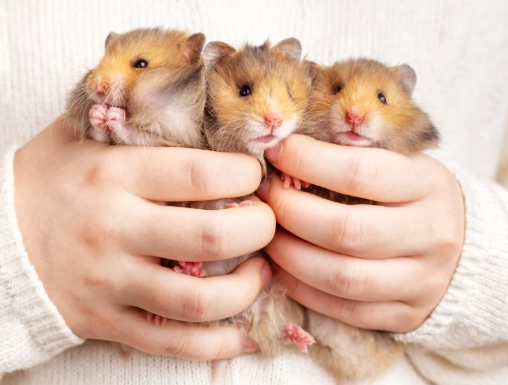
Building a Fortress of Safety and Fun: The Habitat
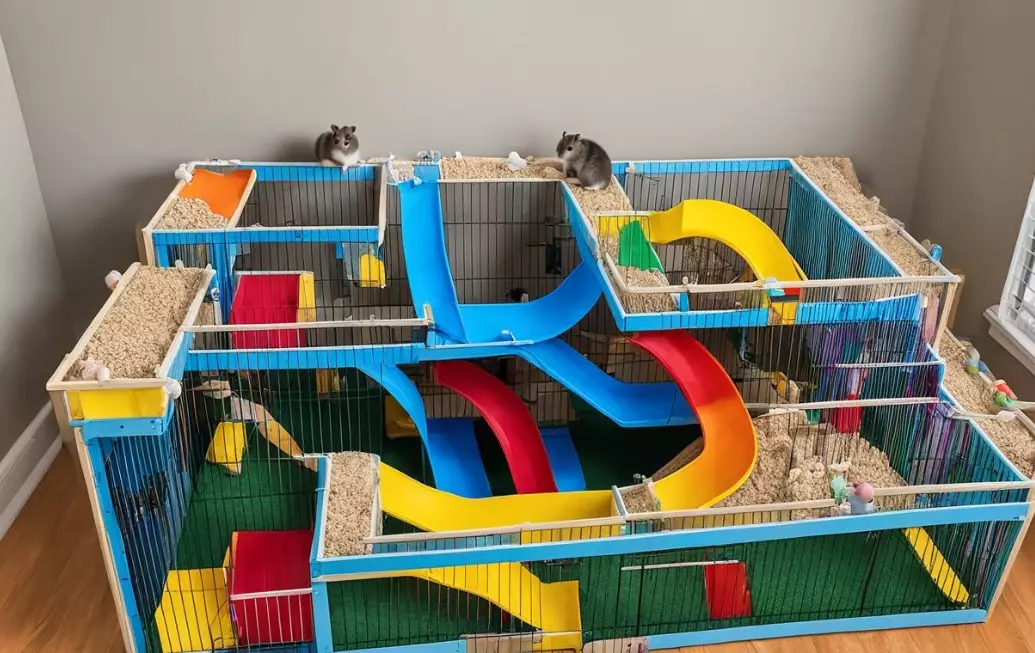
Okay, you've chosen your pet. Now, forget almost everything you see in a typical pet store about cages. Seriously. The colorful plastic cages with tubes are often too small, poorly ventilated, and lack the unbroken floor space animals need to run. The cornerstone of good small pet care at home is providing adequate space.
The Big Mistake: The most common error new owners make is getting an enclosure that's way too small. It leads to stress, obesity, boredom, and behavioral problems like bar chewing or aggression. Always, always go bigger than you think you need.
So, what does "big enough" mean? It's not just about the minimum. It's about giving them room to express natural behaviors.
- Hamsters: The old standard of 24x12 inches is now considered outdated and inadequate by informed communities. For a Syrian hamster, aim for a minimum of 100cm x 50cm of continuous floor space (about 40" x 20"). A large aquarium tank (with a mesh lid for ventilation) or a DIY bin cage are often better than wire cages.
- Guinea Pigs: The Humane Society of the United States recommends a minimum of about 7.5 square feet for one guinea pig, and 10.5 square feet for two. But more is always better. Midwest Guinea Pig Habitat cages are a popular commercial option, or you can use C&C (Cubes & Coroplast) grids to build a custom-sized pen.
- Rabbits: They should be able to take at least 3-4 hops in any direction. An exercise pen (x-pen) attached to a large dog crate or a dedicated rabbit-proofed room is ideal. A small cage should only be used as a litter box/sleeping area within a much larger space.
The Layered Approach to Cage Setup
Think of the habitat in layers. Each layer serves a purpose.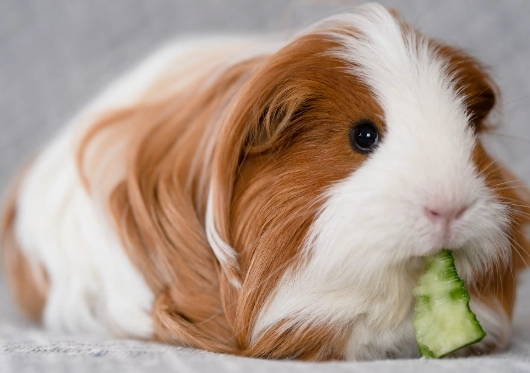
Layer 1: The Foundation (Bedding/Substrate)
This is huge. The right bedding absorbs waste, controls odor, and allows for digging (a vital behavior for many species). Avoid cedar and pine shavings unless they are explicitly labeled "kiln-dried" or "dust-extracted." The aromatic oils in untreated softwoods can cause serious respiratory issues. Safer options include:
| Bedding Type | Best For | Pros | Cons & My Take |
|---|---|---|---|
| Paper-Based Bedding (Carefresh, Yesterday's News) | All small pets, especially good for burrowers. | Highly absorbent, low dust, soft, good odor control. | Can be expensive. Some brands get dusty when dry. I find it's worth the cost for the high absorption. |
| Aspen Shavings | Hamsters, gerbils, mice. | Cheaper than paper, holds burrows well, safe wood. | Less absorbent than paper, can be a bit messier. Not ideal for guinea pigs or rabbits on its own. |
| Fleece Liners | Guinea pigs, rabbits, rats. | Reusable, soft on feet, cost-effective long-term. | Requires washing (you need multiple sets). Needs an absorbent layer underneath (like towels or u-haul pads). If not changed frequently, ammonia from urine builds up. |
| Hay (on top of other bedding) | Rabbits, guinea pigs. | Encourages foraging, edible, natural. | Not absorbent alone. Gets messy quickly. Best used as a top layer in feeding areas. |
Layer 2: The Furniture (Hides, Platforms, Toys)
Every pet needs a safe, dark place to sleep where they feel completely hidden. Multiple hides are better than one. Then add platforms for climbing (for rats, degus), tunnels (cardboard tubes are free and awesome), and chew toys. Wooden chews, seagrass mats, and cardboard are essential for wearing down ever-growing teeth.
Layer 3: The Enrichment (The Fun Stuff)
This is what turns a cage from a prison into a home. It changes regularly to prevent boredom.
- Foraging: Scatter their pellet food instead of using a bowl. Hide treats in toilet paper rolls stuffed with hay.
- Digging: A deep box filled with child-safe, chemical-free potting soil or a large sand bath (for hamsters and gerbils) is like a spa day for them.
- Chewing: A constant supply of apple, willow, or birch wood branches. Never give wood from stone-fruit trees like cherry or peach.
I used to just plop everything in my rabbit's pen and leave it for weeks. It was clean, but boring. When I started rotating toys and changing the layout of her hideouts every few days, her whole demeanor changed. More binkies (happy jumps), more curiosity. It was a game-changer for her mental health.
The Daily Grind: Food, Water, and Spot Cleaning
This is the heart of your daily small pet care tips at home routine. Getting the diet wrong is one of the fastest ways to cause health problems.
The Food Pyramid for Herbivores (Guinea Pigs, Rabbits)
This is non-negotiable. Their digestive systems are designed for constant grazing on high-fiber food.
Top of the Pyramid (80-90% of diet): Unlimited Grass Hay.
Timothy hay, orchard grass, meadow hay. This is not bedding; it's the main course. It keeps their gut moving and teeth worn down. Alfalfa hay is too high in calcium and protein for adult animals and should only be for young, pregnant, or nursing pets. A rabbit or guinea pig without constant access to hay is at risk for GI stasis, a potentially fatal condition.
Middle Layer (10-15%): Fresh Vegetables.
A daily salad! Romaine lettuce, bell peppers (great for Vitamin C for guinea pigs, who cannot synthesize it), cilantro, parsley, carrot tops (not too many carrots themselves—they're high in sugar). Introduce new veggies slowly to avoid upset stomachs. The House Rabbit Society has an exhaustive, trusted list of what's safe.
Bottom Layer (5% or less): Pellets & Treats.
Yes, pellets are at the bottom. A small, measured amount of plain, high-fiber timothy-based pellets (no colorful bits, seeds, or dried fruit mixed in). Treats like a blueberry or an apple slice are just that—tiny treats.
The Omnivore Menu (Rats, Hamsters, Gerbils)
Their needs are different, focusing on a balanced lab block or pellet as a base, supplemented with other foods.
Lab Blocks/Pellets: A high-quality block like Oxbow Essentials for rats or Hamster/Gerbil food should make up the core of their diet. It's formulated to be nutritionally complete.
Healthy Supplements: Small amounts of cooked egg, mealworms (for protein), and the same safe veggies offered to herbivores. Seeds and nuts are high in fat—think of them as chips, not a meal.
Fresh Water: Always, always from a bottle and a bowl. Some animals prefer one over the other. Bottles can get blocked, bowls can get dirty. Offering both ensures they're never without. Change water daily without fail.
The Clean-Up Routine
Nobody likes a smelly house. A good routine keeps odor down and your pet healthy.
- Daily: Remove wet spots and soiled bedding. Dump and refresh food bowls (for pellets). Wash fresh food/water dishes. Give a quick visual health check.
- Weekly/Bi-Weekly: Full cage clean. Remove everything, scrub the base with a 50/50 white vinegar and water solution (rinse thoroughly!), replace all bedding. But—and this is key— keep some of the old, clean bedding or a used hideout. This retains their familiar scent and prevents stress from their home suddenly smelling completely foreign.
Keeping an Eye Out: Health and Behavior Monitoring
Small pets are experts at hiding illness (a survival instinct in the wild). You have to be a detective. Your daily interaction is your best tool for early detection in your small pet care at home practice.
The Weekly Weigh-In: Get a small kitchen scale. Weigh your pet at the same time each week and keep a log. Sudden weight loss is often the first sign of a problem.
The Look-Over: While they're munching a treat, check:
- Eyes & Nose: Clear and dry? No crust or discharge.
- Ears: Clean, no redness or smell.
- Fur & Skin: Smooth, full, no bald patches, flaking, or parasites.
- Teeth: Not overgrown (check with a vet if unsure).
- Bottom: Clean, no feces stuck ("poopy butt" in rabbits/guinea pigs is a sign of diet or mobility issues).
- Movement: Moving normally, not limping or hunched.
Common Red Flags:
- Hiding more than usual, lethargy.
- Changes in eating, drinking, or poop habits (smaller, misshapen, or no poop is an emergency for herbivores).
- Wheezing, clicking sounds when breathing.
- Over-grooming or fur pulling.
Have a vet before you have an emergency. Not all vets see "exotics" (which is what small mammals are classified as). Find a recommended exotics vet in your area. The Association of Exotic Mammal Veterinarians (AEMV) has a locator tool. It's more expensive than a cat/dog vet, but it's non-negotiable for proper care.
Beyond the Cage: Bonding and Handling
This is the rewarding part. Building trust takes patience, especially with prey animals who instinctively see you as a giant predator.
Rule #1: Let them come to you. Sit in a small, pet-proofed room (bathrooms work well) and let them explore you. Have treats. Don't grab. Let them sniff your hand, climb on you. Do this daily in short sessions.
Rule #2: Support their body. Never pick up a small pet by the scruff (like a cat) or by a limb. Scoop from underneath, supporting the entire chest and bottom. Hold them close to your body or low over a soft surface so they feel secure.
Rule #3: Read their language. A guinea pig freezing or a rabbit thumping its foot is scared or angry. A hamster laying its ears back might bite. Respect that and back off. Forcing interaction destroys trust.
Your Small Pet Care at Home Questions, Answered
Look, caring for a small pet at home is a journey. You're not going to get everything perfect on day one. I certainly didn't. The most important thing is that you're here, looking for good information. That already puts you ahead of most.
It boils down to this: more space, the right food, a vet who knows their stuff, and a whole lot of patience. Observe your pet. Learn what their normal is. When you see them popcorning (guinea pigs), binkying (rabbits), or peacefully stuffing their cheeks (hamsters), you'll know you're on the right track. Those moments make all the research and cleaning totally worth it.
Good luck, and give your little friend a treat from me.




Join the Conversation