So you've got a tiny, three-month-old whirlwind of fur and claws. Congratulations. This is the golden age of kittenhood—they're weaned, playful, and just starting to show their full personality. It's also the most critical window for setting up habits that will last a lifetime. Get it right, and you're on your way to a well-adjusted, healthy cat. Miss a few key steps, and you might be dealing with behavioral or health issues down the line.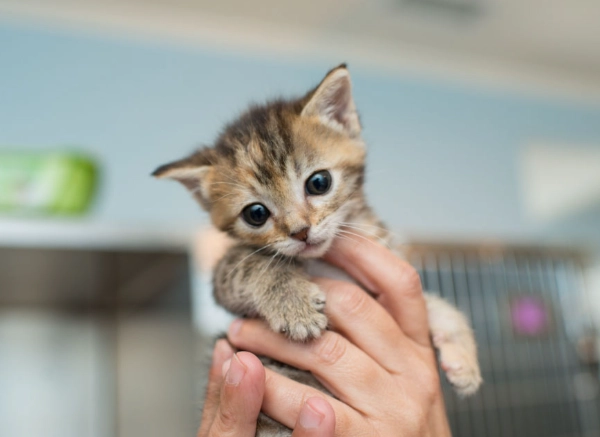
I've fostered dozens of kittens over the years, and the three-month mark is where I see new owners make subtle but costly mistakes. It's not just about food and a litter box. It's about laying a neurological and behavioral foundation.
What You'll Learn in This Guide
Feeding & Nutrition: More Than Just Kitten Chow
At three months, your kitten's growth engine is running at full throttle. They need nearly triple the energy per pound of an adult cat. The biggest mistake here is treating them like a small adult cat.
Let's talk specifics. A three-month-old kitten needs roughly 200-250 calories daily. Don't just fill a bowl and walk away.
| Time | Meal Type | Notes |
|---|---|---|
| 8:00 AM | Wet Food (1/2 of a 3oz can) | High-protein, grain-free kitten formula. |
| 12:00 PM | Dry Kibble (small handful) | Leave out for casual nibbling. Use a puzzle feeder to slow them down. |
| 5:00 PM | Wet Food (1/2 of a 3oz can) | Great time to incorporate a probiotic supplement if needed. |
| 10:00 PM | Dry Kibble (small handful) | Last call before bed to prevent midnight hunger pangs. |
Fresh water is non-negotiable. Ditch the plastic bowl—it can harbor bacteria and cause feline acne. Use a wide, shallow ceramic or stainless steel bowl, and place it away from the food and litter box. Some kittens prefer a cat water fountain; the moving water encourages drinking.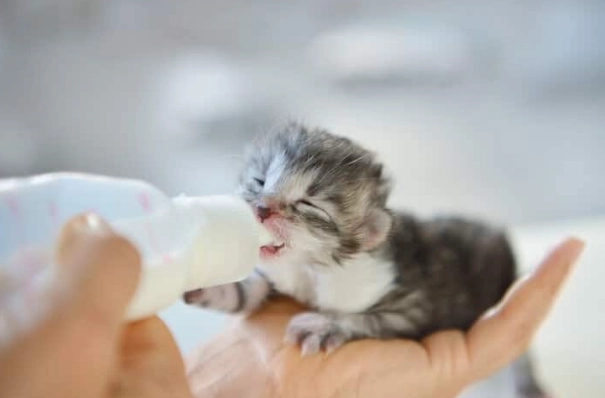
What to Avoid in Kitten Food
Skip anything labeled "for all life stages" if you have a better option. Avoid foods where corn, wheat, or soy are the first ingredients. And please, no milk. Despite the cartoon image, most kittens are lactose intolerant after weaning, and cow's milk will give them diarrhea.
Litter Training & Habitat Setup
By three months, litter training should be well underway, but setbacks happen. The setup is 90% of the battle.
You need more than one litter box. The rule is one per cat, plus one extra. So for your single kitten, start with two. Place them in quiet, low-traffic areas with easy escape routes. A kitten trapped in a corner feels vulnerable and may avoid that box.
Litter choice matters. Unscented, clumping litter is the gold standard for a reason. It's easy to scoop, and most cats prefer it. The perfumed stuff is for you, not them, and their sensitive noses hate it. I made the mistake of using a "natural" pine pellet litter with my first foster litter—they refused to use it. We switched back to clumping clay, and problem solved.
Scoop at least once daily, preferably twice. A dirty box is the top reason for house-soiling. Every week, dump all the litter, wash the box with mild soap and water (no harsh chemicals), and refill.
If accidents occur, never rub their nose in it. It doesn't work and only creates fear. Use an enzymatic cleaner like Nature's Miracle to completely eliminate the odor. Regular cleaners won't break down the urine proteins, and the smell will draw them back to the same spot.
Socialization, Play & Preventing Bad Habits
This is where you build your cat's personality. The primary socialization window is closing, but there's still crucial work to do.
Handling is key. Get them used to having their paws touched (for future nail trims), ears looked at, and mouth gently opened. Do this during calm cuddle sessions, paired with treats. The vet will thank you.
Play is not optional; it's a developmental requirement. Use wand toys, not your fingers. Letting a kitten attack your hand teaches them that human flesh is a toy—a painful lesson to unlearn later. Have short, intense 10-15 minute play sessions several times a day, mimicking the hunt (let them "catch" the toy sometimes).
Introduce gentle noises: the vacuum in another room, the TV, doorbells on a low volume. Pair these with treats or play to create positive associations.
Scratching is natural. Provide multiple scratching posts—both vertical and horizontal, covered in sisal, cardboard, or wood. Place one near their favorite nap spot (they love to scratch after waking up) and another in a high-traffic family area. When they use it, praise them. If they scratch the couch, redirect them calmly to the post. Sticky tape or a citrus spray on the forbidden spot can be a gentle deterrent.
Health & Wellness Must-Dos
If you haven't seen a vet yet, book an appointment this week. This visit is non-negotiable.
Vaccinations: At 12-16 weeks, your kitten is due for another round of core vaccines (FVRCP, possibly rabies). Don't skip these. Even for indoor cats, viruses can be tracked in on your shoes or clothes. The American Association of Feline Practitioners provides detailed guidelines that most vets follow.
Parasite Control: Your vet will check for intestinal worms and prescribe a dewormer. They'll also discuss flea and tick prevention. Even indoor kittens can get fleas. A monthly topical or oral treatment is standard.
Spay/Neuter: Now is the time to schedule this surgery, typically done around 4-6 months of age. It prevents unwanted litters, reduces roaming and spraying in males, and lowers the risk of certain cancers in females.
Start a weekly health check routine. Look for clear eyes and ears, a clean nose, and healthy pink gums. Feel their body for any unusual lumps. Monitor their energy level and litter box habits. A sudden change in any of these is a reason to call the vet.
Your Kitten Care Questions Answered
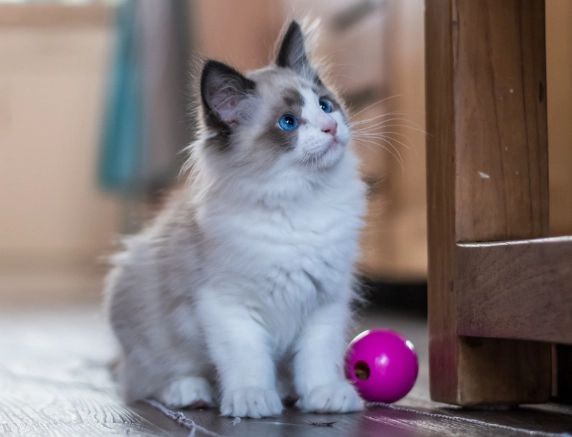
Caring for a three-month-old kitten is a whirlwind of activity, but it's deeply rewarding. You're not just feeding a pet; you're shaping a future companion. Focus on these foundations—targeted nutrition, a clean and safe environment, positive socialization, and proactive health care. Do that, and you'll both enjoy the journey.




Join the Conversation