Let's be honest. Most lawns are ecological deserts. They're green, they're tidy, and they do absolutely nothing for the local birds, bees, and butterflies. If you're tired of just watching nature on TV and want to hear real birdsong from your kitchen window, you're in the right place. Creating a wildlife habitat isn't about fencing off your yard and letting it go wild—it's about thoughtful, intentional design that works with nature, not against it. I've been doing this for over a decade, and I've made every mistake in the book so you don't have to.
Your Quick Guide to a Wilder Garden
Why Bother Creating a Habitat?
It's not just about being nice to animals. It's about plugging your little patch of land back into a network that's been fraying for years. Habitat loss is the single biggest driver of species decline, according to reports like those from the Intergovernmental Science-Policy Platform on Biodiversity and Ecosystem Services (IPBES). Your yard can act as a stepping stone, a rest stop, or even a permanent home.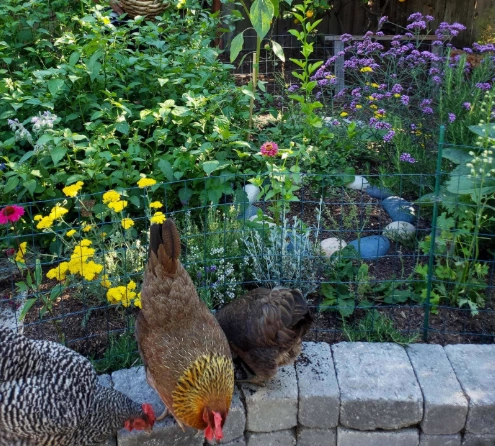
The benefit for you? It's immense. You'll get a front-row seat to nature's drama. You'll have fewer pests because you're attracting the predators that eat them. Your plants will be healthier with more pollinators around. And there's a deep, quiet satisfaction that comes from knowing you're part of the solution.
Start Here: The 5-Minute Yard Assessment
Before you buy a single plant, grab a notebook and walk outside. Look at your space with new eyes.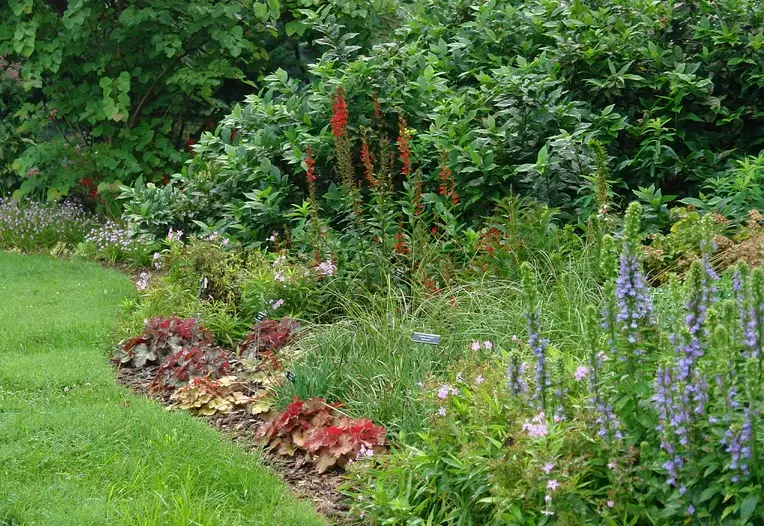
What's your sun situation? Full sun (6+ hours), part shade, or deep shade? This dictates almost everything.
What's already there? Any mature trees or shrubs? A patch of ivy? A bare fence line? These are assets, not problems.
What's your soil like? Grab a handful. Is it dense clay that holds water, or sandy stuff that drains in minutes? You don't need a lab test—just observe what puddles and what doesn't after rain.
What do you see and hear? Are there any birds already visiting? Squirrels? Listen. This baseline tells you what's already using your space.
This isn't a test. It's reconnaissance. The goal is to work with what you have, not fight it.
The Four Pillars of a Thriving Habitat
Every animal needs four things: food, water, shelter, and a place to raise young. Miss one, and you're running a hotel with no roof or a restaurant with no chairs.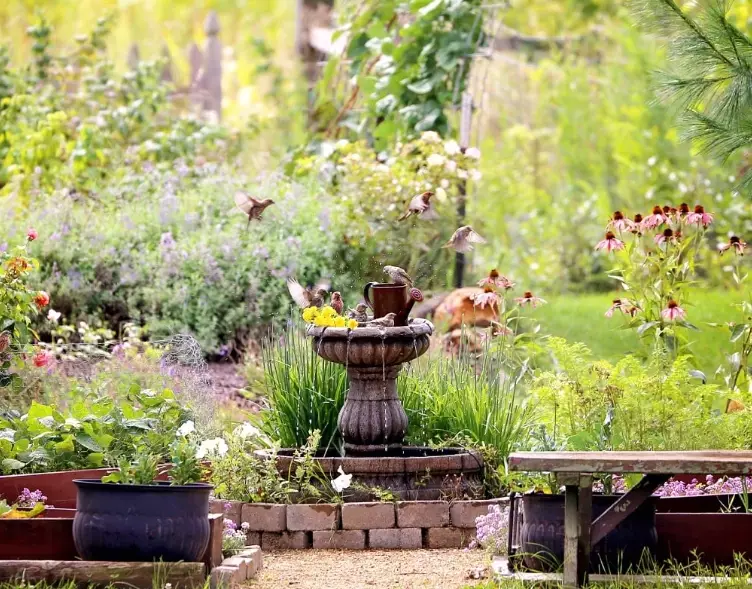
1. Food: It's Not Just About Bird Feeders
Bird feeders are great supplemental snacks, especially in winter. But a sustainable habitat grows its own buffet. This means native plants. Native insects evolved to eat native plants, and birds need those insects to feed their chicks (even seed-eating birds switch to insects for baby food).
Think in layers:
- Canopy (Trees): Oaks are the undisputed champions. A single oak can support over 500 species of caterpillar. Maples, birches, and pines are also excellent.
- Understory (Shrubs): Serviceberry, blueberry, dogwood. These provide berries for birds and flowers for bees.
- Herb Layer (Flowers & Grasses): Coneflower, black-eyed Susan, milkweed (essential for monarch butterflies), and native grasses like little bluestem. These are the insect powerhouses.
Let some plants go to seed. Goldfinches love coneflower seeds in the fall. It's free bird food.
2. Water: The Ultimate Magnet
A simple, clean water source will attract more wildlife than almost anything else. It doesn't need to be a pond.
A shallow birdbath with a gently sloping edge and a rough texture for grip is perfect. Put a few stones in it so tiny insects and bees can drink without drowning. The key is keeping it clean and topped up. Stagnant, algae-filled water is worse than none at all.
If you're more ambitious, a small pond or even a buried basin with a solar-powered bubbler creates a constant draw. The sound of moving water is like a neon "OPEN" sign for wildlife.
3. Shelter: From the Bramble Patch to the Brush Pile
Shelter is where animals hide from predators and weather. Neatness is the enemy here.
Embrace "messy" corners. Leave a pile of fallen branches and leaves in a back corner. Rabbits, toads, and countless insects will move in. A stack of old logs or a stump is a five-star hotel for beetles, fungi, and maybe even a salamander.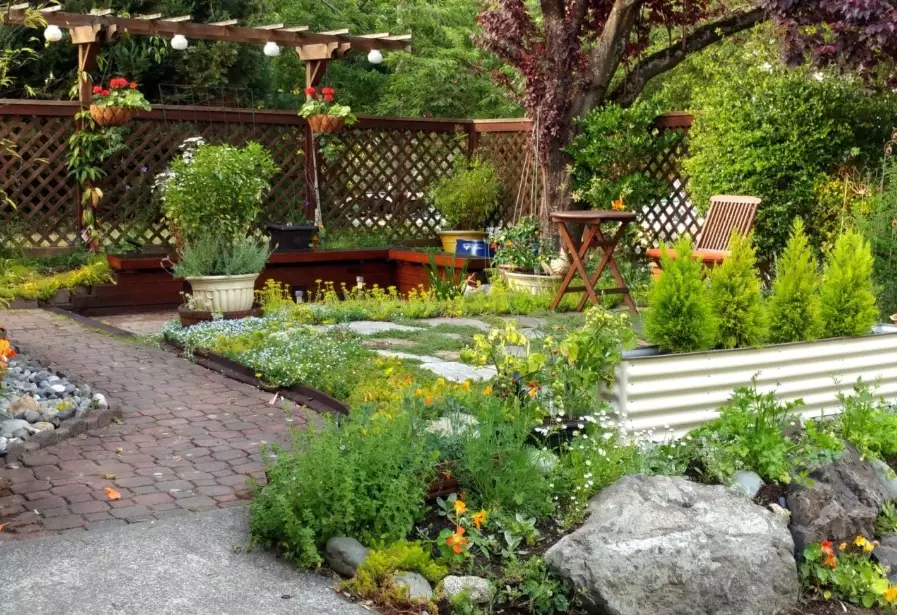
Dense shrubs and evergreens provide crucial winter cover. A thorny bush like a native raspberry or hawthorn is a safe nursery for bird nests.
4. Places to Raise Young
This overlaps with shelter but is specific. Birds need safe nesting sites. Butterflies need specific host plants for their caterpillars. Bees need bare ground or hollow stems to lay eggs.
Put up a few different styles of nest boxes (different hole sizes for different birds). Leave dead tree snags if they're not a safety hazard—woodpeckers and other cavity-nesters love them. Most importantly, provide the host plants. Monarchs need milkweed. Swallowtails need plants like parsley, dill, or native pipevine.
The One Thing Most Guides Get Wrong: They tell you to plant for adult butterflies (nectar plants). That's only half the job. If you don't provide the caterpillar host plants, you'll have pretty visitors but no new generations. You're running a diner, not a nursery.
Your 6-Month Step-by-Step Action Plan
This isn't an overnight project. Here's a realistic timeline based on transforming a typical suburban quarter-acre.
| Month | Primary Focus | Specific Actions |
|---|---|---|
| Month 1-2 (Planning & Prep) | Assessment & Design | Complete your yard assessment. Sketch a rough map. Research 3-5 native plants for your sun/soil conditions. Order a birdbath. Build or buy a simple brush pile. |
| Month 3 (Spring Action) | Water & Shelter | Install and maintain the birdbath. Plant 1-2 native shrubs (e.g., serviceberry, dogwood). Let a section of lawn grow unmowed to see what native plants appear. |
| Month 4 (Late Spring) | Food Sources | Plant a pollinator garden patch (mix of native wildflowers). Install a nesting box. Stop using all pesticides and herbicides. |
| Month 5 (Summer) | Observation & Refinement | Watch what uses the new resources. Add a second water source if needed. Plant a native vine (like coral honeysuckle) on a fence. |
| Month 6 (Fall) | Future-Proofing | Plant native trees or more shrubs (fall is a great planting time). Leave seed heads standing for winter food. Plan next year's expansion. |
The biggest shift is mental. You're moving from being a curator of a green carpet to a manager of a living ecosystem. Your job is to set the stage, not control the actors.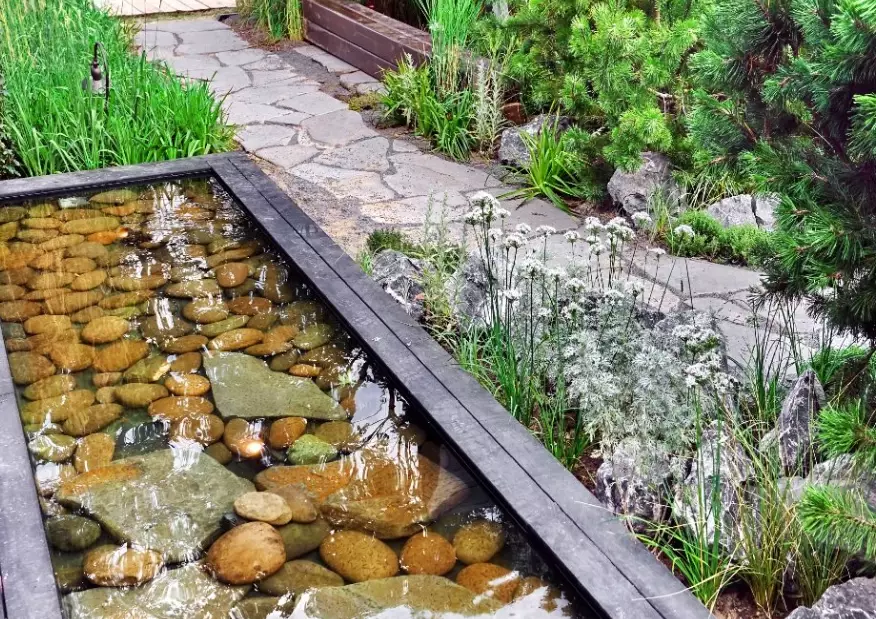
3 Common Mistakes (And How to Dodge Them)
I've made these. Let's save you the trouble.
Mistake 1: Going Too Big, Too Fast. You buy 50 plants, dig up the whole lawn, and get overwhelmed. The habitat becomes a chore. Fix: Start with one small project—a 3x3 foot flower bed, one birdbath, one brush pile. Success with a small area builds confidence.
Mistake 2: The "Non-Native Beauty" Trap. You plant a gorgeous butterfly bush (Buddleia). It attracts adult butterflies, but it's not a host plant for any North American caterpillars, and it can even be invasive. It's ecological junk food. Fix: Use resources like the National Audubon Society's native plant database or your local university extension service to find true native alternatives that are just as beautiful.
Mistake 3: Over-Managing. You see a caterpillar eating "your" milkweed and want to "save" the plant. You clear away all fallen leaves in autumn. Fix: Step back. The caterpillar is the point. The leaf litter is winter habitat for countless moth pupae and firefly larvae. Practice benign neglect.
Next-Level Tips for the Committed Gardener
Once you have the basics down, consider these.
Create a "Puddle Club" for Butterflies. Male butterflies gather at damp soil to drink minerals. Keep a patch of bare, muddy ground or fill a shallow dish with sand and keep it wet.
Think Beyond Birds. Build a simple bee hotel with bamboo tubes or drilled blocks of wood for solitary bees. Leave a sunny patch of bare, undisturbed ground for ground-nesting bees.
Light Pollution Matters. Turn off unnecessary outdoor lights at night. Lights disorient migrating birds and nocturnal insects. If you need security lights, use motion sensors and downward-facing shields.
The goal is complexity. The more diverse the structure of your garden—tall, short, dense, open, wet, dry—the more species it will support.
Your Questions, Answered
What is the biggest mistake beginners make when trying to attract birds?
Placing bird feeders and birdbaths too close to windows, leading to fatal collisions. Keep them either within 3 feet of the glass (so a startled bird can't build up speed) or more than 30 feet away. Also, a feeder without nearby shrub cover is like a dinner table in the middle of a field—predators love it. Birds need a quick escape route.
I have a small balcony or patio. Can I still help?
Absolutely. A container garden with native flowers like bee balm or cardinal flower works. A shallow water dish is critical. A small hanging nest box or a pot of native grasses can provide shelter. You might not get deer, but you'll support pollinators and maybe some songbirds. Focus on quality, not quantity.
How do I deal with neighbors who think my habitat looks "messy" or "unkept"?
This is a real social challenge. Frame it positively. Call it a "pollinator garden" or "bird sanctuary." Keep the edges near property lines tidier. You can even put up a cute sign from a program like the National Wildlife Federation's Certified Wildlife Habitat program. Often, when they see the butterflies and birds you're attracting, their opinion changes.
What if my yard is mostly shade?
Shade gardens are fantastic habitats! You're catering to a different, often overlooked, group. Focus on native shade plants like ferns, wild ginger, columbine, and coral bells. A birdbath still works. Brush piles and leaf litter are perfect for salamanders, wood thrushes, and earthworms. Shade means less evaporation, so your water source is even more valuable.
How do I handle squirrels at my bird feeders?
First, ask if they're really a problem. Squirrels are native wildlife too. If they're monopolizing the feeder, use a feeder with a weight-sensitive mechanism that closes ports under a squirrel's weight, or use a good baffle on the pole. But consider setting up a separate, easy-access feeding spot for them with corn or nuts. It's easier to manage their behavior than to win a war against them.
The journey to create a wildlife habitat is endless and endlessly rewarding. You'll never be "done." There will always be a new plant to try, a new creature to observe. Start small. Be patient. Watch closely. Your yard is about to become the most interesting place on the block.
Join the Conversation