In This Guide
- Vomiting vs. Regurgitation: It's Not the Same Thing
- The "Why" Behind the Heave: Common Causes of Vomiting in Dogs
- Reading the Signs: What Your Dog's Vomit and Behavior Are Telling You
- What to Do at Home: The Vet-Approved First Steps
- When Home Care Isn't Enough: The Veterinary Visit
- Your Top Questions on Dog Vomiting, Answered
- Prevention: Building a Tummy-Friendly Lifestyle
Let's be honest, cleaning up after a vomiting dog is nobody's idea of a good time. It's messy, it's worrying, and it leaves you with a million questions. Is this serious? What did they eat? Should I be rushing to the emergency clinic right now? I've been there—watching my own dog, a food-obsessed Labrador, suddenly empty his stomach on the living room rug. The panic is real.
But here's the thing: vomiting in dogs isn't always a five-alarm fire. Sometimes it's just a minor tummy upset. The real challenge is figuring out which is which. That's what we're going to tackle today. We'll dig into all the possible reasons behind dog health problems with symptoms like vomiting, learn to read the signs your dog is giving you, and figure out the exact moment when it's time to pick up the phone and call the vet.
First, a crucial distinction that even seasoned dog owners sometimes miss.
Vomiting vs. Regurgitation: It's Not the Same Thing
This is where we need to start. If you're trying to understand your dog's symptoms, knowing the difference is key. A lot of people use the words interchangeably, but to a vet, they point to totally different problems in the digestive tract.
Vomiting is an active process. You'll see your dog heaving, their abdomen contracting forcefully. It often comes with drooling, retching, and that anxious look they get. The stuff that comes up is usually partially digested, might be yellow (bile), and can smell sour. This action is controlled by the brain's vomiting center, which gets triggered by all sorts of signals from the body.
Regurgitation, on the other hand, is passive and sudden. It's more like a surprise burp. No heaving, no warning. Your dog just opens its mouth and up comes undigested food, water, or mucus, often in a tube-like shape matching the esophagus. It's not digested, so it doesn't smell fermented. This usually points to a problem with the esophagus itself—maybe it's weak, inflamed, or blocked.
Why does this matter? Because telling your vet "my dog is vomiting" when they're actually regurgitating can send the investigation down the wrong path. Getting this detail right is your first step in solving the puzzle of your dog's health problems and symptoms like vomiting.
Okay, so you've determined it's true vomiting. Now what caused it? The list is, unfortunately, very long.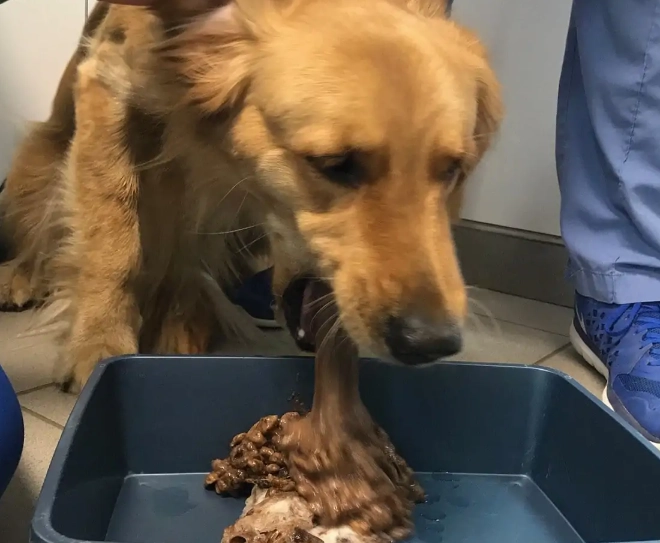
The "Why" Behind the Heave: Common Causes of Vomiting in Dogs
Think of your dog's stomach like a sensitive, furry garbage disposal. It can handle a lot, but sometimes it just says "no thanks" and sends everything back. The causes range from the utterly mundane to the seriously concerning. Let's break them into categories.
The Simple (and Usually Temporary) Culprits
These are the most common reasons and often resolve on their own with a little care.
- Dietary Indiscretion: This is the fancy vet term for "eating something they shouldn't have." My Lab is a champion at this—scavenging a piece of greasy pizza crust, getting into the cat's food, gobbling down grass like it's a salad bar. A sudden change in diet can have the same effect.
- Bilious Vomiting Syndrome: Ever see your dog throw up a puddle of yellow or greenish frothy fluid first thing in the morning? That's likely bile. It can happen when their stomach is empty for too long, causing irritation. Splitting their dinner into two smaller meals or giving a small bedtime snack often fixes this.
- Motion Sickness: Just like people. A car ride can end messily for some pups.
- Eating Too Fast: Some dogs inhale their food. This can lead to swallowing air and immediate, undigested vomiting. A slow-feeder bowl was a game-changer for my guy.
The More Serious Underlying Health Problems
This is where vomiting shifts from being a symptom to being a red flag for a deeper issue. When we talk about dog health problems with symptoms of vomiting, these are the conditions vets need to rule out.
- Gastrointestinal Issues: This is a big category. It includes things like inflammatory bowel disease (IBD), ulcers, parasites (like roundworms or giardia), bacterial infections, or even a foreign body obstruction (think: a swallowed sock or toy).
- Systemic Diseases: Problems in other organs can make a dog vomit. Kidney disease, liver disease, pancreatitis (a painful inflammation of the pancreas), and diabetes are classic examples. The vomiting is a side effect of the body's overall distress.
- Infections: Viral infections like parvovirus (especially in unvaccinated puppies) or distemper are severe and often start with vomiting and diarrhea.
- Toxicity: Ingestion of poisonous foods (chocolate, xylitol, grapes), plants, or chemicals. This is always an emergency.
- Endocrine Disorders: Diseases like Addison's disease can cause intermittent vomiting.
- Cancer: Tumors in the gastrointestinal tract or elsewhere can cause chronic vomiting.
It's a daunting list, I know. The key isn't to diagnose your dog yourself, but to become a better observer. The clues are often in the details of the vomit itself and your dog's other behaviors.
Reading the Signs: What Your Dog's Vomit and Behavior Are Telling You
The color, consistency, and contents of the vomit are like clues in a mystery. Pair that with how your dog is acting, and you get a much clearer picture of the potential severity. Let's look at a common guide.
| Vomit Appearance / Symptom | Possible Meaning | Typical Level of Concern |
|---|---|---|
| Yellow/Foamy (Bile) | Empty stomach, Bilious Vomiting Syndrome, reflux. | Low to Moderate. Common. Often managed with diet timing. |
| White/Foamy | Often saliva and stomach gas. Can occur from coughing hard (kennel cough) or an empty stomach. | Low to Moderate. Watch for coughing. |
| Clear/Liquid | Usually water or saliva. Could be from drinking too much too fast, or an early sign of nausea. | Low. Monitor. |
| Undigested Food | Eating too fast, regurgitation, or food intolerance. Note if it happens immediately after eating. | Low to Moderate. Consider a slow feeder. |
| Partially Digested Food | Standard vomiting. Could be from any cause listed above. | Depends on frequency and other symptoms. |
| Grass/Leaves | Dogs sometimes eat grass to induce vomiting if they feel nauseous. The grass itself is usually not the cause. | Low (for the grass). Moderate (for the underlying nausea). |
| Blood (Red Streaks = Fresh) | Irritation in the stomach or esophagus (from violent vomiting, an ulcer, or a foreign body). | High. Call your vet. |
| Blood (Dark Brown/Granular = "Coffee Grounds") | Partially digested blood. Points to bleeding further down in the stomach or upper intestine. More serious. | Emergency. Go to the vet now. |
| Fecal Odor/Material | Possible intestinal obstruction. A surgical emergency. | Emergency. Go to the vet now. |
The table is a great guide, but it's not a substitute for professional judgment. The vomit's appearance is just one piece of the puzzle. You have to look at the whole dog.
- Your dog is trying to vomit but nothing comes out (non-productive retching). This is the #1 sign of bloat (GDV), a deadly emergency.
- Vomiting repeatedly in a short period (e.g., more than 3 times in an hour).
- Vomiting combined with severe lethargy, collapse, or pale gums.
- You suspect they ate a toxin (antifreeze, rat poison, human medication).
- The abdomen looks swollen or feels hard, and your dog seems painful.
- Vomiting with diarrhea, especially if it's bloody.
If none of those extreme red flags are present, you might be in a position to try some supportive care at home first. But you have to do it right.
What to Do at Home: The Vet-Approved First Steps
So your dog threw up once or twice, seems a bit sorry for themselves, but is otherwise alert and interested in what you're doing. Here's a sensible plan. I've followed this with my own dog under my vet's guidance.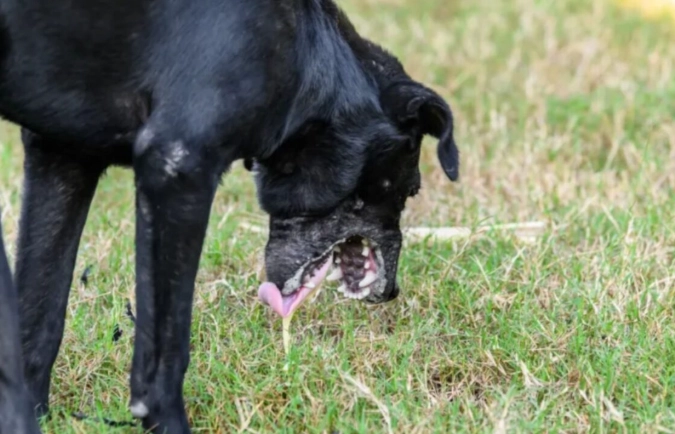
Step 1: The Strategic Fast
This is the most important step and the one people get wrong. You need to give the stomach and intestines a complete rest. That means no food and no water for a short period.
Wait 2-4 hours after the last vomiting episode. No, it's not cruel. Offering water or food too soon almost guarantees they'll just throw it right back up, which is more dehydrating and irritating. Let everything settle.
After the rest period, offer small amounts of water—like an ice cube or a few tablespoons. Wait 20 minutes. If that stays down, offer a little more. The goal is frequent, tiny sips.
Step 2: The Bland Diet Introduction
If your dog holds down water for a few hours, you can introduce a bland diet. The classic recipe is boiled, skinless, boneless chicken breast (or lean ground beef) mixed with plain, boiled white rice in a 1:2 ratio (one part protein to two parts rice).
Start with a very small amount—a tablespoon or two for a medium-sized dog. Wait a few hours. If that stays down, offer another small meal. Feed small, frequent meals (4-6 a day) for the first day or two.
Step 3: The Slow Transition Back
Don't just switch back to regular kibble after a day of bland food. That's asking for trouble. Gradually mix their regular food into the bland diet over 2-3 days. For example, Day 1: 75% bland / 25% regular. Day 2: 50/50. Day 3: 25% bland / 75% regular. Then back to 100% regular.
If the vomiting starts again at any point during this home care process, stop. It's time to involve the professionals. This is a key part of managing dog health problems where vomiting is the main symptom—knowing when your home efforts aren't enough.
When Home Care Isn't Enough: The Veterinary Visit
You've fasted, tried the bland diet, and things aren't improving. Or maybe your dog showed some of those red flags from the start. This is when you need your vet's expertise. What can you expect?
Your vet isn't just guessing. They follow a logical process to diagnose dog vomiting symptoms.
- The History: This is your time to shine. Be ready to tell them everything: when it started, frequency, what the vomit looks like, any changes in diet, access to trash/plants/toxins, your dog's normal energy level, and any other weird behaviors. Write it down if you're nervous.
- The Physical Exam: They'll check your dog's temperature, feel their abdomen for pain or masses, listen to their heart and gut sounds, check gum color (a sign of hydration and blood circulation), and look for signs of dehydration.
- Diagnostic Tests: This is where they move from "possible causes" to "probable cause." Tests might include:
- Fecal Exam: To check for parasites.
- Bloodwork: A complete blood count (CBC) and chemistry panel can reveal infections, organ function issues (kidney, liver, pancreas), and electrolyte imbalances from dehydration.
- X-rays (Radiographs): To look for foreign objects, blockages, or abnormal gas patterns in the gut.
- Ultrasound: Provides a detailed look at the layers of the stomach and intestines, the pancreas, and other organs. It's great for seeing things x-rays can't, like inflammation or certain tumors.
- Specific Tests: For pancreatitis, there's a test called a cPLI or SPEC cPL. For certain toxins, they can run specific panels.
Based on what they find, treatment will vary wildly. It could be as simple as an injection for nausea (like Cerenia), subcutaneous fluids for hydration, and sending you home with a special diet. Or it could be as involved as emergency surgery to remove a blockage, hospitalization on IV fluids, or starting medication for a chronic disease like IBD.
For reliable, in-depth information on specific conditions, I often refer to resources from veterinary colleges. For instance, the Cornell University College of Veterinary Medicine provides excellent peer-reviewed materials, and the American Veterinary Medical Association (AVMA) is a trusted source for general pet care guidelines. It's always good to cross-check information with established institutions.
Your Top Questions on Dog Vomiting, Answered
These are the questions I've asked my own vet, seen in online forums a thousand times, or wondered about myself.
My dog vomits but acts completely normal. Should I worry?
This is the most common scenario. A single, isolated episode with a dog who is otherwise bouncing around, eating, and drinking is often not a major concern. It could be a minor dietary indiscretion. Monitor closely for 24 hours. If it happens again, or if they refuse their next meal, then a vet call is wise.
How can I tell if my dog is dehydrated from vomiting?
Do the "skin tent" test. Gently pinch the skin at the back of your dog's neck or between their shoulder blades, lift it up, and let go. In a well-hydrated dog, the skin will snap back immediately. In a dehydrated dog, it will return slowly or even stay tented for a moment. Also, check their gums—they should be wet and slick, not dry or tacky. Sunken eyes and extreme lethargy are late signs of serious dehydration.
Is it okay to give my dog over-the-counter human medicine for vomiting?
Absolutely not. Do not give your dog Pepto-Bismol, Imodium, or any other human anti-nausea or anti-diarrheal medication without explicit instruction from your veterinarian. Many human drugs are toxic to dogs at certain doses or can mask serious symptoms, making diagnosis harder. Some, like ibuprofen or acetaminophen, are outright poisonous.
My dog keeps eating grass and then vomiting. Why?
The great mystery! Some vets believe dogs eat grass when they feel nauseous to make themselves vomit and feel better. Others think it's a behavioral thing or a way to add fiber to their diet. If the grass-eating is occasional and your dog is otherwise healthy, it's usually not a problem. If it becomes obsessive or is followed by frequent vomiting symptoms, it's worth mentioning to your vet to rule out an underlying gastrointestinal issue.
Can stress or anxiety cause a dog to vomit?
Yes, absolutely. Dogs can have a physical reaction to emotional stress. A major change like a move, a new pet, fireworks, or a thunderstorm can trigger vomiting or diarrhea in sensitive dogs. This is often acute (sudden onset) and resolves once the stressor is removed. For chronic anxiety, behavior modification and sometimes medication prescribed by a vet are needed.
Prevention: Building a Tummy-Friendly Lifestyle
While you can't prevent every case, you can stack the odds in your favor and reduce the frequency of these scary episodes.
- Diet Management: Feed a consistent, high-quality diet. Avoid sudden changes. If you must switch foods, do it over 7-10 days. Use a slow-feeder bowl for speed eaters.
- Portion Control: Stick to recommended portions. Overfeeding is a common cause of upset stomachs.
- Scavenging Patrol: This is the hard one. Be vigilant on walks and in the yard. Train a solid "leave it" command. Keep trash cans securely closed.
- Toxin Awareness: Know what's poisonous (chocolate, xylitol, grapes/raisins, certain plants) and keep them out of reach.
- Regular Vet Care: Annual check-ups and routine parasite prevention can catch underlying issues before they cause a vomiting crisis.
- Manage Stress: Provide a safe, predictable environment. For known stressors like car rides or storms, talk to your vet about calming aids or training techniques.
Look, dealing with a sick dog is stressful. You feel helpless. But the power you have is in observation and knowing when to act. Most episodes of dog vomiting related to health problems are short-lived. But for the times they're not, trusting your gut and getting professional help is the bravest and best thing you can do for your furry friend. Keep this guide handy, stay calm, and you'll get through the messy moments.





Join the Conversation