Quick Guide
- What Exactly Is a Hemangioma in a Dog?
- The Two Faces of Vascular Tumors: Benign vs. Malignant
- What Does a Hemangioma Look Like on a Dog? Spotting the Signs
- Getting a Diagnosis: What Will the Vet Do?
- Treatment Options for Hemangioma in Dogs
- The Cost Factor: What to Expect Financially
- Life After Diagnosis: Care and Prevention
- Your Questions Answered: Hemangioma in Dogs FAQ
You're giving your dog a good scratch behind the ears, the way they love it, when your fingers brush against something new. A small, red, almost blood-blister-like spot on their skin. Your heart does a little flip. Is it a bug bite? A scrape? Or something you need to worry about? If you've found a strange red growth on your dog, there's a decent chance your vet might throw around the term "hemangioma." But what does that even mean? Is it cancer? Is it dangerous? What do you do next?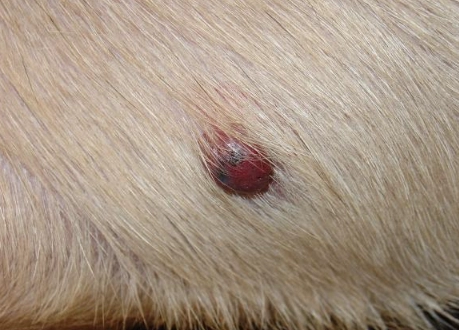
Let's talk it through. I remember the first time I saw a photo of a canine hemangioma – it looked so dramatic and scary. But in reality, the story of hemangioma in dogs has two very different chapters: one that's mostly a cosmetic concern, and another that requires swift, serious action. The trick is knowing which chapter you're in.
What Exactly Is a Hemangioma in a Dog?
In plain English, a hemangioma is a non-cancerous (benign) tumor made up of blood vessels. Think of it as a tiny, tangled knot of capillaries that decided to grow a bit more than they should. They're the body's plumbing getting a little overzealous. These growths are quite common in dogs, especially as they get older. They often pop up on areas with less hair, like the belly, inner thighs, and sometimes the limbs or face – places that get more sun exposure.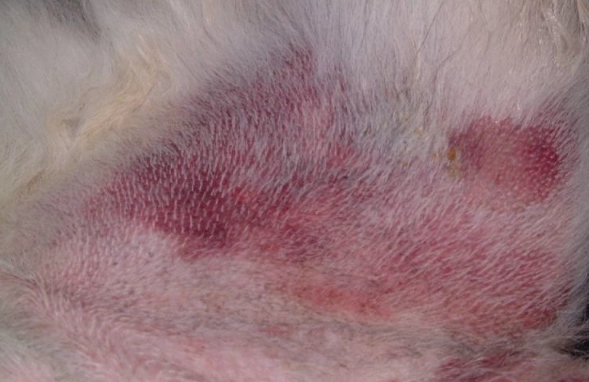
Now, here's where it gets crucial. There's a second, far more serious player that sounds almost identical: the hemangiosarcoma. Notice the "sarcoma" on the end? That's the bad one. That's a malignant, aggressive cancer of the blood vessels. The names are confusingly similar, which is why getting a proper diagnosis is non-negotiable. When most people casually search about "hemangioma in dogs," they're often worried about both possibilities. We need to unpack both.
The Two Faces of Vascular Tumors: Benign vs. Malignant
Let's break down the difference in a way that's easier to digest. It really comes down to behavior. A benign hemangioma is a well-behaved homebody. It stays where it started, grows slowly if at all, and doesn't spread. A hemangiosarcoma is the troublemaker. It invades local tissue, can spread (metastasize) to other organs like the spleen, heart, or liver, and causes serious illness.
To make this crystal clear, here's a side-by-side comparison. This table is something I wish I had when I was first trying to understand all this medical jargon.
| Feature | Benign Hemangioma (The "Good" News) | Malignant Hemangiosarcoma (The "Bad" News) |
|---|---|---|
| Nature | Non-cancerous, benign tumor. | Cancerous, malignant tumor. |
| Growth Pattern | Grows slowly, if at all. Remains localized. | Grows rapidly. Is invasive and destructive to surrounding tissue. |
| Spread (Metastasis) | Does not spread to other parts of the body. | Has a high potential to spread (often to spleen, liver, heart, lungs). |
| Common Locations | Skin, especially sparsely-haired, sun-exposed areas (belly, inner legs). | Skin (dermal/subcutaneous), but more commonly internal organs (spleen, heart, liver). |
| Appearance on Skin | Often a solitary, raised, red, purple, or black "blood blister" or firm lump. Usually small (<2cm). | Can look similar, but may be larger, faster-growing, and might ulcerate (break open and bleed). |
| General Health Impact | Usually none, unless it's in a bothersome location or gets injured. | Causes systemic illness: weakness, lethargy, collapse, pale gums, abdominal swelling. |
| Treatment Urgency | Often elective. Removal is for prevention or comfort. | A medical emergency requiring aggressive, immediate treatment. |
See the difference? It's night and day. The problem is, you can't reliably tell them apart just by looking. A small red spot could be either. That's why vets don't just guess.
What Does a Hemangioma Look Like on a Dog? Spotting the Signs
So, what should you actually look for? A classic benign cutaneous (skin) hemangioma in dogs often has a pretty distinct look, but there's always variation.
- The Color: Red, purple, dark blue, or even black. They're vascular, meaning full of blood, so they often have that blood-filled appearance. They might look like a tiny raspberry or a bruise.
- The Texture: They can be smooth or slightly lumpy. They might feel firm or slightly spongy because of all the blood vessels.
- The Size and Number: Usually solitary. You might find just one. They tend to stay small, often under a centimeter or two in diameter. If you see multiple similar red spots, especially on the belly, it's still worth a vet visit but could point more towards a benign cause.
- The Location: This is a big clue. They love sun-exposed, thinly-haired skin. Run your hands over your dog's belly, inner thighs, and armpits. Check the nose and eyelids on short-haired breeds. That's their favorite real estate.
Why Do Dogs Get Hemangiomas?
We don't know the exact cause for every case, but for the common skin hemangioma, sunlight (UV radiation) is a major, well-established culprit. It's similar to how humans can get sun-induced skin growths. Light-skinned, short-haired breeds are at much higher risk. Think dogs like Whippets, Greyhounds, Dalmatians, Boxers, and Pit Bull Terriers.
Age is another big factor. These are growths we see more often in middle-aged to senior dogs. Genetics probably play a role too, as certain breeds are predisposed.
It's one of those things that just seems to happen more often as dogs get older.
Getting a Diagnosis: What Will the Vet Do?
You've found a spot and made the appointment. Good. Here's what you can expect. Your vet's main job is to answer one question: Is this a benign hemangioma, a malignant hemangiosarcoma, or something else entirely?
The process usually starts with a physical exam. Your vet will feel the lump, note its location, size, and texture. They'll ask you how long it's been there and if it's changed. But here's the honest truth: no vet can give a definitive diagnosis just by looking and feeling. Any vet who claims they can is skipping a critical step.
The gold standard, the only way to know for sure, is a biopsy. This means taking a small sample of the tissue and sending it to a veterinary pathologist who looks at it under a microscope. It's the difference between guessing what's inside a wrapped package and actually opening it up.
There are a few ways to do a biopsy:
- Fine Needle Aspirate (FNA): A quick, simple procedure where a tiny needle is inserted into the lump to suck out some cells. It's often the first test. It's great for ruling out other things (like cysts or infections), but sometimes it can't give a clear answer on vascular tumors because the cells can look similar. If the FNA is inconclusive, the next step is needed.
- Incisional or Punch Biopsy: Taking a small, full-thickness piece of the lump with a special tool or scalpel. This gives the pathologist a better architecture of the tissue to make a definitive call. This is often done with local anesthesia.
- Excisional Biopsy: Removing the entire lump with clean margins and sending it all in. This is both diagnostic and curative if the lump is benign. If it turns out to be malignant, you've already taken the first step in treatment.
For internal masses (like a suspected splenic hemangiosarcoma), diagnosis involves imaging like ultrasound and then a biopsy guided by that ultrasound. Resources like the American College of Veterinary Internal Medicine (ACVIM) have detailed information on oncologic workups that specialists follow.
Treatment Options for Hemangioma in Dogs
The treatment plan depends entirely on that biopsy result. Let's walk through the paths.
If It's Benign (Hemangioma)
You can breathe a sigh of relief. Treatment is often optional and based on practicality.
- Watchful Waiting: If the lump is tiny, not changing, and in a spot where your dog won't bother it (and you can monitor it), you might choose to do nothing. Just keep an eye on it during your regular petting sessions. Take a monthly photo with a ruler next to it to track size.
- Surgical Removal: This is the most common and definitive treatment. Why remove a benign growth?
- Prevention: If it's in a spot prone to trauma (like where the collar rubs or on a leg). A bleeding hemangioma, while not dangerous, can be messy and stressful.
- Diagnostic Certainty: Removal confirms 100% it's benign.
- Cosmetic/Comfort: You or your dog might just not like it being there.
- Cryosurgery: For very small, superficial hemangiomas, freezing them off with liquid nitrogen can be an option. It's quick and often doesn't require general anesthesia.
If It's Malignant (Hemangiosarcoma)
The approach becomes aggressive and multi-pronged. Time is of the essence. Treatment typically involves a combination of:
- Surgery: Wide and deep surgical removal of the primary tumor is the cornerstone. The goal is to get "clean margins" – meaning a border of healthy tissue all around the cancer cells. For internal hemangiosarcoma (like in the spleen), this means removing the entire spleen (a surgery called a splenectomy).
- Chemotherapy: Because hemangiosarcoma is so aggressive and has often spread microscopically by the time of diagnosis, chemotherapy is almost always recommended after surgery. It aims to kill any cancer cells that have traveled elsewhere in the body. The protocols used are based on extensive research, much of which is summarized by organizations like the Veterinary Cancer Society (VCS).
- Supportive Care: Managing pain, supporting the immune system, and maintaining quality of life are critical parts of the plan.
The prognosis for internal hemangiosarcoma is guarded, but early and aggressive treatment can buy meaningful, good-quality time. For dermal (skin-only) hemangiosarcoma caught very early, the prognosis can be significantly better with complete surgical excision.
The Cost Factor: What to Expect Financially
Let's talk money, because it matters and most articles gloss over it. Costs vary wildly by location and clinic, but here's a rough, realistic breakdown to help you prepare.
For a Benign Skin Hemangioma:
- Initial Vet Consultation: $50 - $100
- Fine Needle Aspirate (FNA) & Cytology: $100 - $250
- Surgical Removal (if chosen): $300 - $800+ (depends on size, location, need for anesthesia). This often includes sending the mass for histopathology (the definitive biopsy), which is an additional $100-$300.
For a Malignant Hemangiosarcoma (Skin or Internal):
- Diagnostic Workup (Ultrasound, Bloodwork, X-rays): $500 - $1,500+
- Major Surgery (e.g., Splenectomy or wide excision): $1,500 - $3,500+
- Chemotherapy (full course): $2,000 - $5,000+
These numbers aren't meant to scare you, but to inform you. Pet insurance can be a lifesaver in these situations. If you don't have it, talk to your vet about payment plans or look into veterinary care credit services. Be upfront about your budget—a good vet will work with you to find the best possible plan within your means.
Life After Diagnosis: Care and Prevention
Post-Surgery Care at Home
If your dog has surgery, your job is to keep them comfy and the incision clean. That means:
- The dreaded "cone of shame" (E-collar) to prevent licking and chewing.
- Limiting activity—no running, jumping, or rough play for 10-14 days.
- Checking the incision daily for redness, swelling, or discharge.
- Giving any prescribed pain meds or antibiotics on schedule.
Most dogs bounce back from skin surgery incredibly fast.
Can You Prevent Hemangiomas?
For the sun-induced kind, absolutely. Sun protection is key.
- Doggy Sunscreen: Use a pet-safe sunscreen on sparsely-haired, pink-skinned areas (nose, belly, ear tips) before going out in strong sun. Reapply as directed.
- Timing: Walk your dog in the early morning or late evening to avoid peak UV hours.
- Protective Clothing: For susceptible breeds, consider a lightweight UV-protective shirt or bodysuit for beach days or long hikes. The American Veterinary Medical Association (AVMA) has resources on pet sun safety that reinforce these points.
For the malignant type, there's no known prevention, which is why early detection is everything.
Your Questions Answered: Hemangioma in Dogs FAQ
Finding a strange lump on your dog is always worrying. But knowledge is power. Understanding the difference between a harmless hemangioma and a dangerous hemangiosarcoma empowers you to have a better, more informed conversation with your veterinarian. You now know the right questions to ask: "Can we do a biopsy to be sure?" "Is this location sun-exposed?" "What are ALL our options?"
Trust your gut. You know your dog better than anyone. If something feels off, get it checked. Start with your regular vet, and don't hesitate to ask for a referral to a veterinary oncologist for complex cases. Their expertise, available through organizations like the Veterinary Cancer Society's owner resources, can be invaluable.
Finally, don't let the fear of a worst-case scenario paralyze you. Most of those little red bumps turn out to be the benign kind—minor hiccups in your dog's otherwise healthy life. Do the regular checks, be sun-smart, and partner with a vet you trust. That's the best recipe for catching any problem early and giving your dog the long, happy life they deserve.




Join the Conversation