Quick Guide to Rabbit Nutrition
- The Main Course: Why Hay is Non-Negotiable
- The Fresh Stuff: Navigating the World of Vegetables and Greens
- The Pellets: Think Supplement, Not Main Meal
- Fruits and Treats: The Occasional Sweet Reward
- Water: The Forgotten Essential
- Putting It All Together: A Sample Daily Feeding Schedule
- Red Flags: When the Diet Goes Wrong
- Answering Your Burning Questions (FAQ)
- Final Thoughts: It's a Commitment, Not a Chore
If you've just brought home a fluffy bunny or you're looking to double-check your care routine, you've probably asked yourself that exact question: what is a suitable diet for a rabbit? It seems simple, right? Grab some pellets from the pet store, maybe a carrot (because cartoons), and you're done. I thought that too, years ago. Big mistake. Getting a rabbit's diet wrong isn't just about them being a bit hungry – it can literally be a matter of life and death for their delicate digestive systems. After caring for my own rabbit, Biscuit, for over seven years and talking to countless vets and breeders, I've learned that the answer is both simpler and more nuanced than you might think.
It all revolves around one, non-negotiable principle: fiber, fiber, and more fiber. A rabbit's gut is a fermentation powerhouse designed to process massive amounts of roughage. Forget the image of Bugs Bunny munching on a carrot – that's like us living off cake. The cornerstone, the absolute bedrock of any healthy rabbit diet, is hay. Not just any hay, but high-quality grass hay. Everything else – the pellets, the greens, the occasional treat – is built on top of that hay foundation. When that foundation is weak, everything else crumbles, leading to a whole host of problems like GI stasis (a silent killer), dental disease (their teeth never stop growing!), and obesity.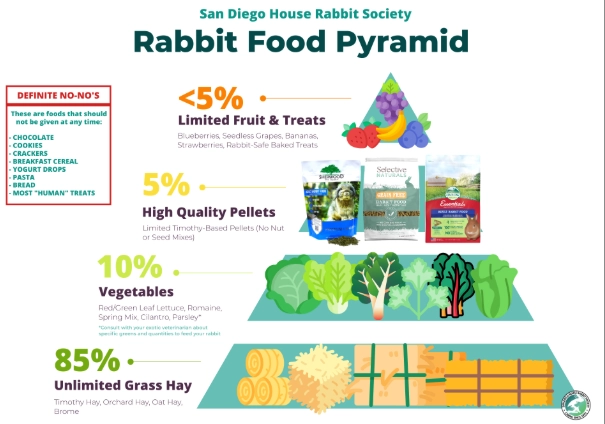
The Golden Rule: A suitable diet for a rabbit is about 80-90% grass hay. It should be available 24/7, unlimited. Think of it as their version of bread and water – a constant staple.
The Main Course: Why Hay is Non-Negotiable
Let's talk about hay. I can't stress this enough. When vets at the House Rabbit Society say it's the most important part of their diet, they mean it. It's not bedding. It's food. The long strands of fiber do three critical jobs:
- Digestive Health: The fiber keeps everything moving through their complex gastrointestinal tract. A slow gut is a sick gut.
- Dental Health: Chewing hay grinds down their constantly growing teeth naturally. No hay often means overgrown teeth, which is painful and requires vet filing.
- Mental Stimulation: Foraging through hay is a natural behavior. It keeps them busy and happy.
But what does "unlimited" really mean? It means the pile should always be bigger than your rabbit. I refill Biscuit's hay rack twice a day. He kicks it around, makes a mess, and I love seeing it. It means he's eating.
Types of Hay: Not all hay is created equal. For adult rabbits, Timothy hay is the gold standard. Orchard grass, meadow hay, and oat hay are also excellent choices. Alfalfa hay is rich in protein and calcium – it's fantastic for growing babies and underweight seniors, but it's too rich for most healthy adult rabbits and can lead to urinary sludge and weight gain.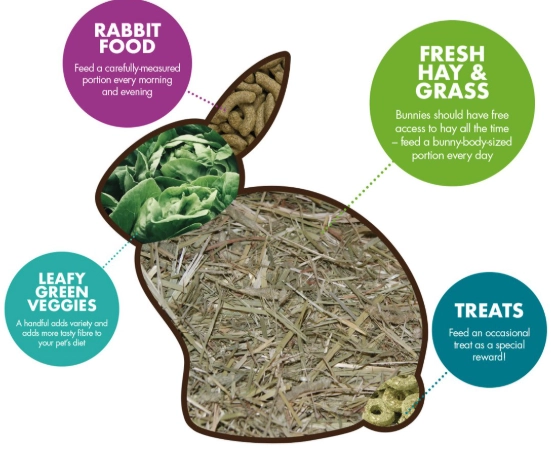
The Fresh Stuff: Navigating the World of Vegetables and Greens
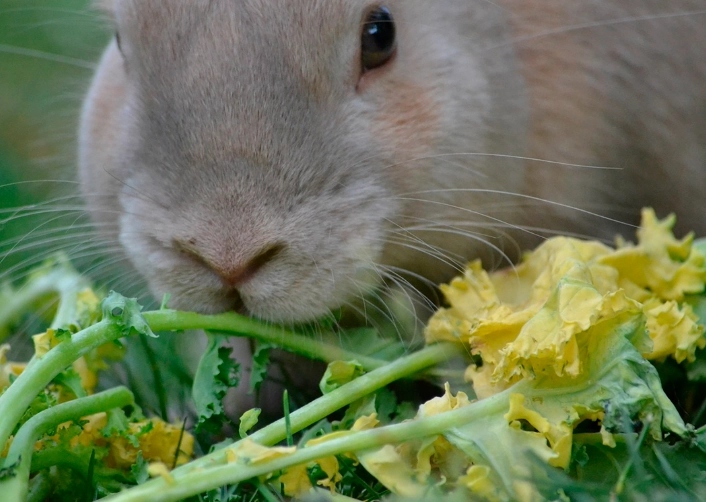
This is where many owners get excited – and sometimes tripped up. Fresh greens provide essential vitamins, minerals, and hydration. But you can't just grab a head of lettuce from the fridge. Iceberg lettuce, for example, is mostly water and lactucarium, which can be harmful. It's practically worthless.
A suitable diet for a rabbit includes a daily salad of dark, leafy greens. Variety is key to providing a range of nutrients and preventing boredom. I rotate what I give Biscuit based on what's fresh at the store.
Safe Vegetable & Greens List (The Daily Staples)
Here’s a rundown of rabbit-approved greens. Aim for at least 3 different types per day, about 1 packed cup of greens per 2 lbs of body weight.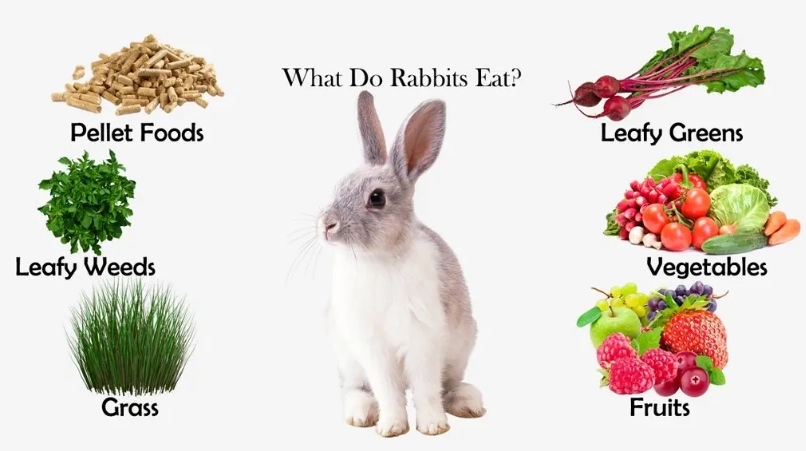
| Green / Vegetable | Notes & Benefits | Frequency |
|---|---|---|
| Romaine Lettuce | Great base green, hydrating. Avoid the core. | Daily |
| Green/Red Leaf Lettuce | Excellent staple. | Daily |
| Spring Mix / Mesclun | Great variety, but check for spinach/arugula (feed sparingly). | Daily |
| Herbs: Cilantro, Parsley, Mint, Basil, Dill | Flavorful, often rabbit favorites. Parsley is calcium-rich (moderate). | Daily (rotating) |
| Dark Greens: Kale, Swiss Chard, Collard Greens | Nutrient-dense but can be high in oxalates or calcium. Rotate, don't feed huge amounts daily. | 2-3 times a week |
| Bok Choy | A good, crunchy option. | Daily |
| Bell Peppers (any color) | High in Vitamin C. Remove seeds and stem. | Few times a week |
| Broccoli Leaves & Stalks | Florets can cause gas in some buns. Leaves are safer. | Occasionally, monitor for gas |
| Carrot Tops / Greens | Perfectly safe and healthy! The greens are better than the root. | Daily |
| Fennel | Bulb and fronds are both safe and loved by many rabbits. | Few times a week |
Introduce new greens one at a time and in small quantities. Watch their poop. If it gets soft or they stop pooping, you know that veggie might not agree with them. Every rabbit is an individual. Biscuit goes crazy for cilantro but will turn his nose up at parsley some days.
What to Avoid: Onions, leeks, garlic, potatoes, rhubarb, avocado, and all houseplants (unless verified safe) are toxic. Iceberg lettuce is a no-go. Also, be cautious with cabbage and cauliflower – they're infamous for causing painful gas (bloat).
The Pellets: Think Supplement, Not Main Meal
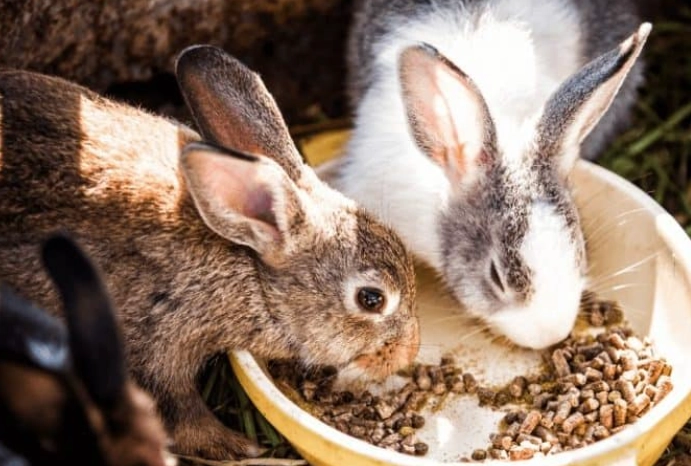
This is a huge point of confusion. Many commercial rabbit foods, especially the ones with colorful bits, seeds, and dried corn, are absolute junk. They're like rabbit junk food – full of fat and sugar, low in fiber. They can cause selective feeding (the rabbit picks out the tasty, unhealthy bits) and lead to major health issues.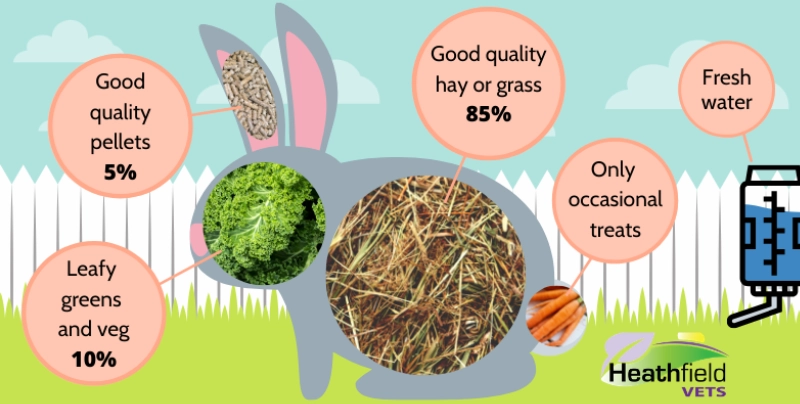
In a truly suitable diet for a rabbit, pellets are a measured supplement, not the main event. They provide concentrated vitamins and minerals, especially for rabbits who might be picky with greens.
Choosing the Right Pellets:
- Look for: Timothy hay-based pellets (for adults). Alfalfa-based is for kits.
- Protein: 12-14% for adults.
- Fiber: At least 18-20%, the higher the better.
- Fat: 2-3% max.
- Ingredients: The first ingredient should be "Timothy Hay Meal" or similar. No seeds, nuts, colored bits, or "processed by-products."
How Much? This is critical. For an average 5-6 lb adult rabbit, you're looking at only 1/4 cup of plain pellets per day. Yes, that's it. Some owners of healthy, hay-devouring rabbits even phase pellets out entirely under veterinary guidance. Overfeeding pellets is the number one cause of obesity I see. A fat rabbit is not a cute rabbit; it's a rabbit at risk for sore hocks, heart disease, and a shortened lifespan.
I made the pellet mistake early on. I filled Biscuit's bowl. He got chubby and less interested in his hay. Cutting back to a strict 1/8 cup (he's a small Netherland Dwarf) was a game-changer. His energy increased, and he became a hay monster again.
Fruits and Treats: The Occasional Sweet Reward
Rabbits have a serious sweet tooth. But their digestive systems are not built for sugar. Fruits are pure sugar to them. So, they are treats, in the truest sense of the word.
Think of fruit like a rich dessert for us. You wouldn't eat cake for every meal. A suitable diet for a rabbit includes treats that are just that – occasional.
Safe Treats (Feed Sparingly): Apple (no seeds), banana (a tiny slice is plenty!), berry (1-2 blueberries or a raspberry), pear, peach, melon. A good rule of thumb is a teaspoon-sized amount per 2 lbs of body weight, 1-2 times a week at most.
Carrots? They're high in sugar! That cartoon carrot should be a rare treat, not a daily food. I give Biscuit a one-inch chunk of carrot maybe once a week, and he acts like he's won the lottery.
Better treats are non-sugary: a sprig of fresh herbs, a willow or apple wood stick to chew on, or even a single plain rolled oat. These satisfy the urge to treat without the sugar crash.
Water: The Forgotten Essential
Fresh, clean water must always be available. A heavy ceramic bowl is best, as it's natural to drink from and easier to clean than bottles. Bottles can get algae, and the ball bearing can stick. I use a bowl and change the water twice daily. In winter, I sometimes add a splash of warm water to take the chill off. Dehydration is a fast track to GI stasis.
Putting It All Together: A Sample Daily Feeding Schedule
Okay, so we have all the pieces. What does a suitable diet for a rabbit look like in real life for a healthy, 5-pound adult rabbit?
Morning:
- Refresh the unlimited Timothy hay (top it up, fluff it, make it inviting).
- Provide 1/4 cup of measured timothy-based pellets in a clean bowl.
- Give half of the daily greens (about 1 cup of romaine, cilantro, and a bit of bell pepper).
- Scrub and refill the water bowl.
Evening:
- Again, refresh the unlimited hay.
- Give the second half of the daily greens (maybe some green leaf lettuce and basil).
- Check water.
- Once a week: Replace one of the evening green servings with a teaspoon of fruit as a treat.
See? It's a routine. It's simple once you get the hang of it. The bulk of the work and cost is the hay. The greens are your daily grocery run. The pellets are a small scoop.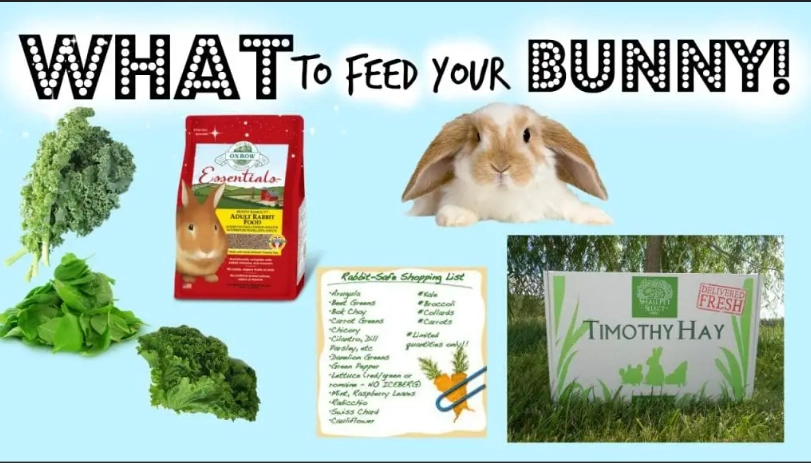
Red Flags: When the Diet Goes Wrong
You can tell a lot about a rabbit's health by their output and behavior. Here’s what to watch for:
- Small, misshapen, or decreasing poops: The first sign of trouble. Not enough fiber (hay!).
- Soft cecotropes (sticky, grape-like poops) being left uneaten: Usually a sign of too many sugary treats or pellets, or an imbalance from too many rich greens. Rabbits are supposed to eat these directly from their bottom to re-ingest nutrients. If you see them, it's a dietary warning light.
- No poops for 8-12 hours: This is an EMERGENCY. GI stasis. Call your vet immediately.
- Loss of appetite, lethargy, hunched posture: Vet. Now.
The RSPCA's rabbit diet guide has excellent visual guides to healthy vs. unhealthy droppings, which I find super helpful for new owners.
Answering Your Burning Questions (FAQ)
Let's tackle some of the specific questions that pop up when you're figuring out what is a suitable diet for a rabbit.
Can my rabbit eat...?
Celery? Yes, but always cut it into tiny pieces (half-inch or smaller). The long, stringy fibers can wrap around their teeth and cause choking. I never give it whole.
Spinach? In moderation. It's high in oxalates which can bind calcium. A leaf or two a couple times a week is fine, but don't make it a staple.
Cucumber? It's mostly water. A thin slice or two is a hydrating, low-calorie snack on a hot day, but it has little nutritional value. Don't let it replace their dark greens.
Grass from my yard? Only if it's absolutely pesticide-free, herbicide-free, and not contaminated by car fumes or animal feces. I'm paranoid about this, so I don't do it. It's not worth the risk.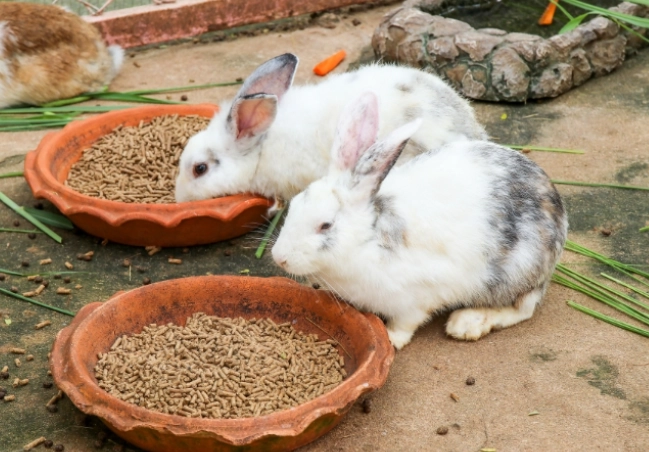
My rabbit won't eat enough hay! What do I do?
This is the most common panic point. First, drastically cut back pellets. Hunger is the best motivator. Try different types of hay (orchard grass vs. timothy vs. a botanical blend). Offer hay in different ways: a rack, a pile in a cardboard box, stuffed in a paper towel tube. Make it fun. Sprinkle a few fragrant herbal leaves in it. Be patient. It can take a week of tough love.
How does diet change for baby or senior rabbits?
Babies (under 7 months): They need alfalfa hay and alfalfa-based pellets for growth and calories. They can have some greens introduced slowly after 12 weeks. Unlimited alfalfa hay and pellets.
Seniors (7+ years): They may need their diet adjusted based on health. Some may benefit from going back to alfalfa if they're losing weight. Softer hays like orchard grass might be easier on worn teeth. Always work with a rabbit-savvy vet for senior care.
Are there any good commercial "complete" foods?
I'm skeptical. Even the better pellet-only brands are not "complete" without the hay and greens. Any mix with seeds, corn, or colorful pieces is bad news. Stick to simple, high-fiber, timothy-based pellets from a reputable brand and build the rest of the diet yourself. You have more control that way.
Final Thoughts: It's a Commitment, Not a Chore
Figuring out what is a suitable diet for a rabbit feels like a science at first. Hay ratios, cup measurements, poop inspection... it can be overwhelming. But after a few weeks, it becomes second nature. You'll know your rabbit's preferences, their usual poop size, and their excited dance for cilantro.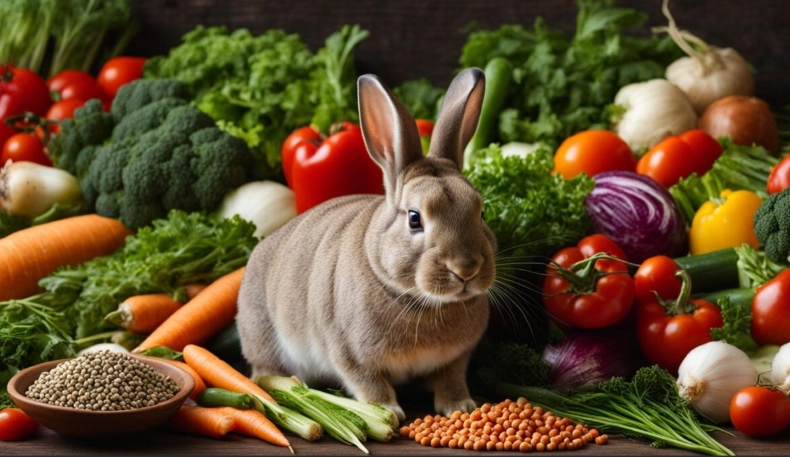
The payoff is immense. A rabbit on a proper diet is a vibrant rabbit. They have bright eyes, a shiny coat, boundless (binky-filled!) energy, and they live longer, healthier lives. You avoid costly and scary vet bills for dental and digestive issues. You get to enjoy their unique personality for many more years.
It all starts with that pile of hay. Get that right, and you've built the foundation for everything else. So go fluff your bunny's hay, offer them a sprig of parsley, and watch them thrive. You've got this.
Join the Conversation