Quick Navigation
So, your dog isn't acting like themselves? Maybe they're a bit quieter than usual, turning their nose up at dinner, or just seem... off. It's a feeling that sinks into the pit of every dog owner's stomach. You know something's wrong, but you're not a vet. Where do you even start?
Let's talk about the reality of dog ownership. Our furry friends can't tell us where it hurts. They rely on us to notice the subtle signs and the not-so-subtle ones. Over the years, whether from my own dogs or stories from countless other owners, I've seen a pattern. Certain health issues pop up again and again. They're the usual suspects in the world of common dog illnesses.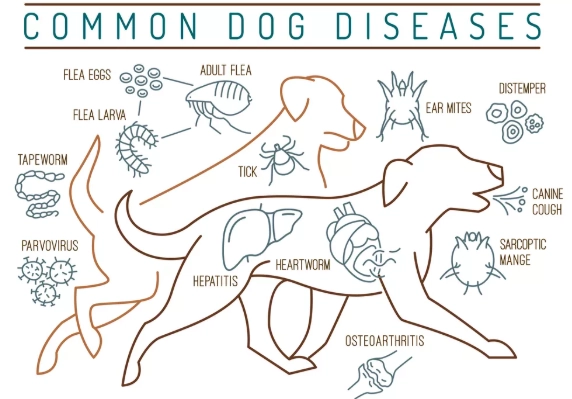
This isn't meant to scare you or turn you into an armchair veterinarian. My goal is to give you a clear, practical map. When you know what to look for, you can act faster, have a better conversation with your vet, and hopefully, save yourself some worry (and maybe some money, too). We'll walk through the symptoms you can spot at home, what typically causes these problems, and the general paths treatment can take. Most importantly, we'll talk about what you can do to stack the odds in your dog's favor.
The Big Picture: Why Some Illnesses Are So Common
Ever wonder why you hear about the same few dog sicknesses all the time? It's not a coincidence. Some of it boils down to anatomy (those long backs on Dachshunds aren't great for spines), some to genetics (thanks, irresponsible breeding), and a whole lot to environment and lifestyle. A dog that gulps down anything it finds on a walk is simply more exposed to gut troubles and toxins. A dog in a multi-pet household or daycare is more likely to run into contagious bugs.
Understanding this context is key. It shifts the focus from fear to management. You can't change your dog's breed, but you can be aware of their predispositions. You can't sterilize the whole world, but you can manage their environment. That's empowering.
A Closer Look at Frequent Canine Health Problems
Let's break this down by the systems of the body. It's easier to understand and remember that way. Think of it as a tour of the most likely trouble spots.
1. Tummy Troubles (Gastrointestinal Issues)
If there's one thing vets see daily, it's a dog with an upset stomach. Symptoms are hard to miss: vomiting, diarrhea, loss of appetite, or just general lethargy.
- Dietary Indiscretion: The polite term for "eating something they shouldn't have." Garbage, spoiled food, a dead bird, you name it. Their stomach rebels.
- Parasites: Worms like roundworms, hookworms, and whipworms are classic culprits, especially in puppies or dogs who sniff/eat dirt. Giardia, a nasty little protozoan from contaminated water, causes foul-smelling, often recurrent diarrhea.
- Inflammatory Bowel Disease (IBD): This is a chronic condition where the gut is persistently inflamed. It leads to intermittent vomiting and diarrhea and often requires long-term dietary and medical management.
- Pancreatitis: Inflammation of the pancreas. It's often triggered by a fatty meal (think Thanksgiving scraps or getting into the butter). Symptoms are severe vomiting, a painful abdomen (your dog may adopt a "praying" position), and dehydration. This is an emergency.
2. Coughs, Sneezes, and Wheezes (Respiratory Issues)
Respiratory common dog illnesses range from a minor nuisance to life-threatening.
- Kennel Cough (Infectious Tracheobronchitis): The king of contagious dog illnesses. It's like the canine common cold, caused by a mix of bacteria and viruses. The hallmark is a persistent, harsh, honking cough that sounds like something is stuck in the throat. It spreads like wildfire in places where dogs congregate. The American Veterinary Medical Association (AVMA) has a great resource page on Kennel Cough that explains the vaccines and prevention.
- Canine Influenza (Dog Flu): Yes, dogs get the flu too. It causes coughing, runny nose, fever, and lethargy. It can be more severe than kennel cough in some cases.
- Collapsing Trachea: Common in small, toy breeds like Yorkies and Pomeranians. The cartilage rings of the windpipe weaken, causing a chronic, goose-honk cough, especially when excited or when pressure is put on the neck (like pulling on a leash).
- Pneumonia: This can be a complication of other respiratory issues or from aspirating food/fluid. Symptoms include labored breathing, fever, and a moist cough.
Managing these often involves rest, humidity (steamy bathrooms can help), and sometimes cough suppressants or antibiotics from your vet. Prevention through vaccination for Bordetella (a kennel cough component) and canine influenza is a smart move for social dogs.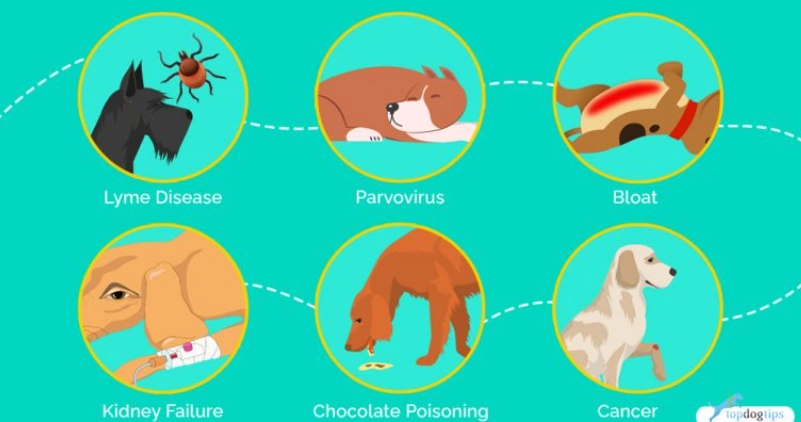
3. Itchy and Scratchy (Skin & Ear Conditions)
Skin problems are a massive category of common dog health problems. They're frustrating because they're so visible and uncomfortable for the dog.
| Condition | Common Causes/Signs | Typical Approach |
|---|---|---|
| Allergies (Environmental/Atopic Dermatitis) | Itching (paws, face, armpits, groin), red skin, recurrent ear infections. Often seasonal. Triggered by pollen, dust mites, mold. | Allergy testing, antihistamines, special shampoos, immunotherapy (allergy shots), omega-3 supplements. |
| Food Allergies/Intolerances | Similar skin signs to environmental, but may also include chronic diarrhea or gas. Common culprits: beef, dairy, chicken, wheat. | Strict 8-12 week elimination diet with a novel protein (e.g., duck, kangaroo) or hydrolyzed diet prescribed by your vet. |
| Flea Allergy Dermatitis (FAD) | EXTREME itching, especially at the base of the tail. Hair loss, scabs. Caused by an allergic reaction to flea saliva. | Aggressive, year-round flea control for ALL pets in the household. Treating the environment. |
| Ear Infections (Otitis) | Head shaking, scratching ears, odor, discharge, redness. Breeds with floppy ears (Basset Hounds, Cocker Spaniels) are prone. | Vet must identify cause (yeast, bacteria, mites). Medicated ear cleaners and prescription drops. Never use cotton swabs. |
| Hot Spots (Acute Moist Dermatitis) | Sudden, wet, red, painful, oozing sores. Often start from a minor itch that the dog obsessively licks/chews. | Clipping hair around it, medicated cleansers/sprays, antibiotics, and an e-collar (cone) to prevent further trauma. |
4. The Aches and Pains (Joint & Bone Issues)
As dogs age, wear and tear sets in. But some joint problems can strike young dogs too.
- Osteoarthritis (Degenerative Joint Disease): The most common form of arthritis. Cartilage breaks down, bones rub, causing pain, stiffness (especially after rest), reluctance to jump/run, and sometimes irritability.
- Hip/Elbow Dysplasia: A developmental malformation of the joint. It's common in large breeds like German Shepherds, Labs, and Golden Retrievers. Leads to early-onset arthritis and lameness.
- Luxating Patella: The kneecap pops out of place. Common in small breeds. You might see your dog skip or hop on a back leg for a few steps, then it "pops" back in and they're fine.
- Intervertebral Disc Disease (IVDD): A spinal disc herniates, putting pressure on the spinal cord. Common in long-backed, short-legged breeds (Dachshunds, Corgis, Basset Hounds). Signs range from neck/back pain to wobbliness, to complete paralysis. This is an emergency.
Management here is huge. Weight management is the single most important thing you can do for a dog with joint issues. Every extra pound is stress on those joints. Supplements like glucosamine/chondroitin and omega-3s can help. Physical therapy, anti-inflammatory medications from your vet, and orthopedic beds all play a role. The Cornell University College of Veterinary Medicine's Riney Canine Health Center provides excellent, in-depth information on conditions like hip dysplasia.
5. Dental Disease (Periodontal Disease)
This one is sneaky. By age three, over 80% of dogs have some form of dental disease, and it's not just about bad breath.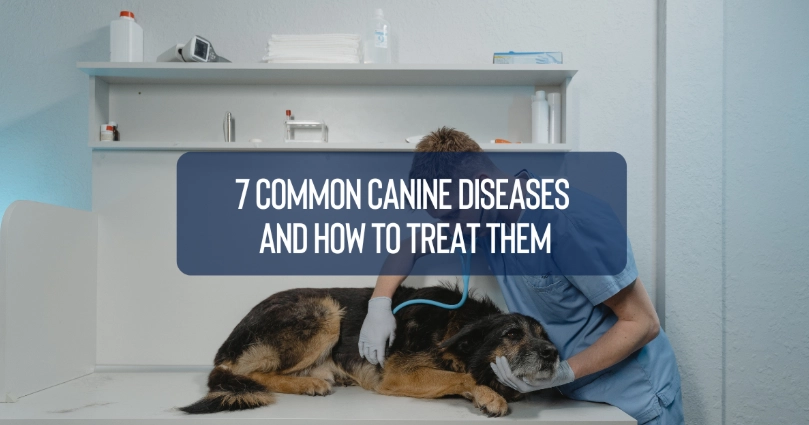
It starts with plaque, which hardens into tartar. This irritates the gums (gingivitis), causing inflammation, redness, and bleeding. Left unchecked, it progresses to periodontitis, where the structures supporting the tooth—the bone and ligaments—are destroyed. Teeth become loose and painful. Worse, the bacteria from the infected mouth can enter the bloodstream and damage the heart, liver, and kidneys.
Signs are subtle until it's advanced: bad breath, red gums, drooling, dropping food, pawing at the mouth, or reluctance to chew hard toys or treats.
The Unseen Enemies: Parasites and Systemic Diseases
Some common dog illnesses affect the whole body.
Internal and External Parasites
We touched on intestinal worms earlier. Don't forget about heartworm, transmitted by mosquitoes. It's a deadly parasite that lives in the heart and lungs. Prevention is easy with a monthly chewable or topical; treatment is expensive, risky, and lengthy. The American Heartworm Society is the definitive authority on this disease.
External parasites like fleas and ticks are more than just itchy. They transmit diseases like Lyme disease, Ehrlichiosis, and Anaplasmosis, which cause fever, joint pain, and lethargy.
Endocrine Disorders
- Hypothyroidism: The thyroid gland doesn't produce enough hormones. Common in middle-aged, medium-to-large breeds. Symptoms include unexplained weight gain, lethargy, hair loss (especially on the tail), and seeking warm spots.
- Cushing's Disease (Hyperadrenocorticism): The body produces too much cortisol. Signs include excessive thirst/urination, a pot-bellied appearance, thinning skin, and panting.
- Diabetes Mellitus: The body can't regulate blood sugar. Symptoms mirror Cushing's: excessive thirst/urination, increased appetite coupled with weight loss, and eventually, cataracts.
These require lifelong management with medication and monitoring, but with proper care, dogs can live full lives.
Your Most Powerful Tool: Prevention
After all this talk of common dog illnesses, let's focus on the good news. So much of this is within your control.
- The Annual Vet Check: This isn't an upsell. It's a proactive health audit. Your vet can spot a heart murmur you can't hear, feel a lump you missed, and assess dental disease before it's severe. It's the cornerstone of prevention.
- Vaccinations: Follow your vet's recommended vaccine protocol (core vs. lifestyle-based). It's your dog's shield against diseases like Parvovirus, Distemper, and Rabies.
- Parasite Prevention: Year-round, without fail. Heartworm, flea, and tick preventatives are non-negotiable in most parts of the world.
- Nutrition: Feed a high-quality, age-appropriate diet. Measure portions. Obesity is a primary driver of arthritis, diabetes, and heart disease. I'm not a fan of most fad diets; sticking with well-researched brands your vet recommends is usually the safest bet.
- Dental Care: Start brushing young. Make it a positive experience. It saves thousands in dental procedures later.
- Mental & Physical Exercise: A stimulated, appropriately exercised dog is a healthier dog, both in body and mind. Boredom and anxiety can manifest as physical problems.
Questions Dog Owners Ask All the Time (Q&A)
Wrapping It Up: Being Your Dog's Best Advocate
Learning about common dog illnesses isn't about borrowing trouble. It's about being prepared. You know your dog better than anyone. You're the one who notices the slight limp, the extra scratch, the half-eaten bowl of food.
Trust that instinct.
Use this information as a guide, not a diagnosis. Your veterinarian is your partner. Walk into that exam room with your observations—when the symptoms started, what you've seen. It makes their job easier and gets your dog the right care faster.
Dog ownership is a journey of joy, slobber, and the occasional panic.
By understanding the landscape of common canine health problems, you're not just preparing for the bad days. You're actively building more good, healthy, tail-wagging days for the friend who gives you nothing but love. And that's the whole point, isn't it?




Join the Conversation