Training a parrot to talk isn't magic—it's about patience, consistency, and understanding your bird's quirks. I've spent over a decade working with parrots, and the biggest lesson is this: skip the gimmicks and focus on building a bond first. Most guides overcomplicate things; here, I'll break it down into actionable steps, including the mistakes I made early on.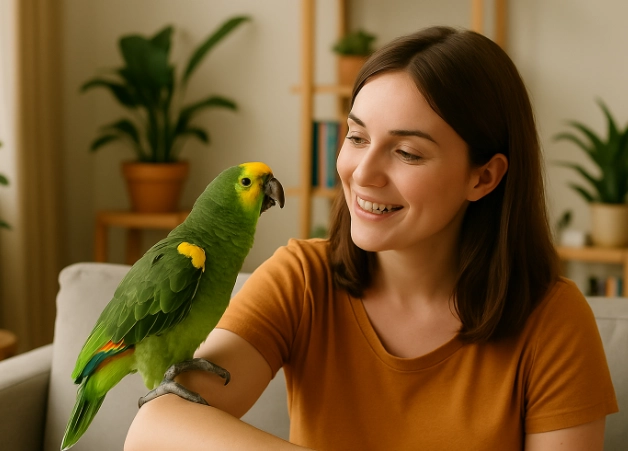
What You'll Learn in This Guide
Choosing the Right Parrot for Talking
Not all parrots are equally chatty. If you're starting from scratch, species matters more than you think. I've seen people buy a Budgie expecting it to recite Shakespeare—it might mimic a few words, but don't set unrealistic goals.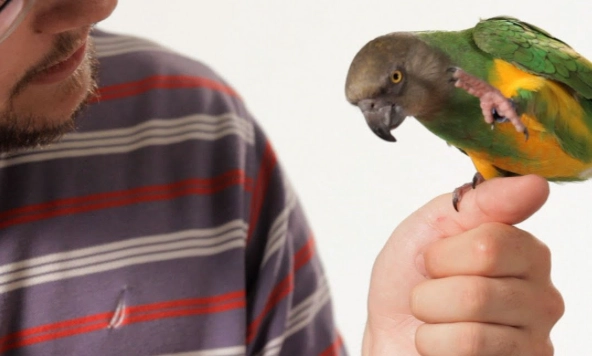
Best Parrot Species for Speech
African Greys often top the list, but they're not the only option. Here's a quick comparison based on my experience and data from sources like the American Federation of Aviculture:
| Species | Speech Potential | Best For Beginners? | Notes from My Experience |
|---|---|---|---|
| African Grey | High – clear, contextual speech | No – needs experienced handling | My Grey, Charlie, learned 50+ words but is prone to stress if rushed. |
| Amazon Parrot | Medium-High – good mimicry | Yes – social and adaptable | Great for families; my friend's Amazon picked up phrases in weeks. |
| Budgerigar (Budgie) | Low-Medium – simple words | Yes – small and low-maintenance | Don't expect complexity; they're more about whistles. |
| Cockatiel | Low – whistles over words | Yes – gentle and easy-going | Focus on bonding; speech is a bonus. |
Age plays a role too. Younger parrots (under 2 years) learn faster, but I've trained older rescues—it just takes more time. Temperament is key: a curious, vocal bird is a better candidate than a shy one, regardless of species.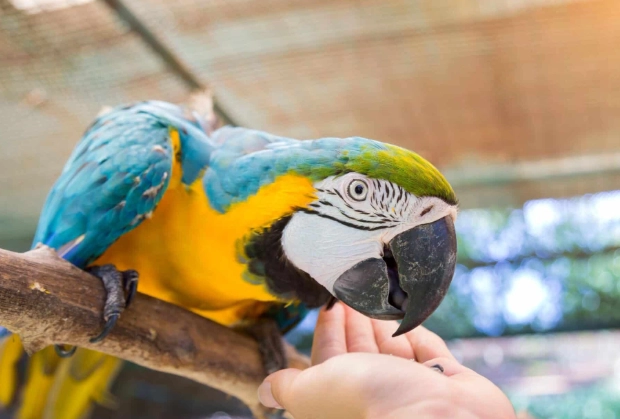
Age and Temperament Considerations
If your parrot is already an adult, don't sweat it. Start with trust-building. I worked with a 5-year-old Cockatoo who was rehomed; after months of daily interaction, she began mimicking sounds. The trick is to observe their natural vocalizations—if they whistle or click, they're likely open to speech training.
Setting Up for Success: Environment and Tools
Your training space can make or break progress. Parrots get distracted easily—think of it like trying to teach a toddler in a noisy playground.
Creating a Calm Training Space
Pick a quiet room, away from TVs and kitchen noise. I use a dedicated corner with a perch and minimal clutter. Lighting should be natural but not glaring. A stressed parrot won't learn; I learned this the hard way when my first training attempts failed because the room was too bright and noisy.
Keep sessions short. Aim for 5-10 minutes, 2-3 times a day. Longer sessions bore them, and boredom leads to squawking, not talking.
Essential Training Tools
You don't need fancy gadgets. Here's what actually works:
- Clicker: For marking correct behavior. Cheap and effective.
- Treats: Small, healthy rewards like sunflower seeds or bits of fruit. Avoid sugary stuff—it causes energy spikes.
- Recording device: To play back words consistently. I use my phone, but keep volume low to avoid startling the bird.
- Patience: Yeah, it's not a tool, but it's the most important thing. I've seen owners give up after a week; realistic timelines are weeks to months.
External resources can help. For example, the Association of Avian Veterinarians offers guidelines on parrot care that emphasize low-stress environments—crucial for training.
The Step-by-Step Training Process
Let's get into the nitty-gritty. This process is based on my own trials and errors, plus insights from veteran trainers.
Building Trust and Bonding
Before any words, your parrot needs to trust you. Spend time near their cage, talking softly. Offer treats from your hand. I spent two weeks just sitting with Charlie before he'd step onto my finger—rushing this stage is a common error.
Bonding isn't about forcing interaction. Read their body language: relaxed feathers and curious head tilts are good signs. If they puff up or retreat, back off.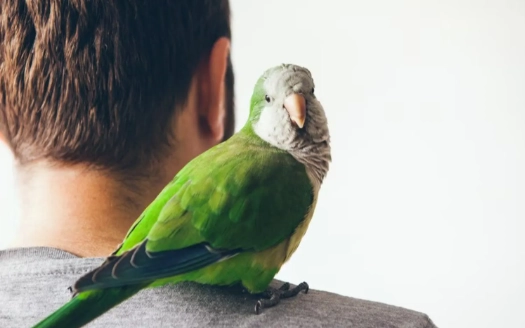
Teaching First Words: Techniques and Tips
Start with simple, repetitive words like "hello" or their name. Here's a method that worked for me:
- Choose one word and say it clearly, multiple times a day, in a happy tone.
- Pair it with an action, like offering a treat when they make any sound in response.
- Use the clicker to mark attempts—even if it's just a squeak.
- Be consistent. I trained Charlie by saying "hello" every morning during feeding time.
Don't expect perfection early on. Initial attempts might sound garbled; reward effort, not accuracy. This encourages them to keep trying.
Reinforcing and Expanding Vocabulary
Once they master a word, add new ones slowly. I introduced "good bird" after Charlie reliably said "hello." Use context: say "water" when filling their dish, or "up" when they climb.
Repetition is key, but avoid monotony. Change your tone or add gestures to keep it engaging. I found that using a playful voice helped Charlie pick up phrases faster.
Record your voice and play it back during quiet times. Some parrots learn from recordings, but live interaction is better for bonding.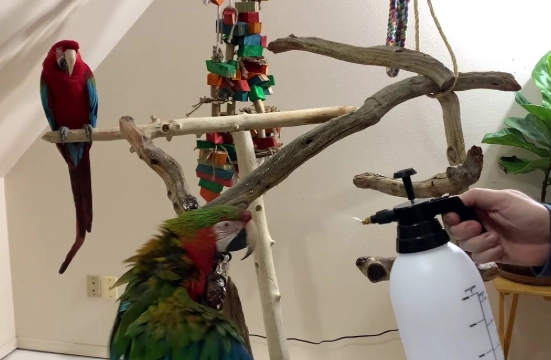
Common Mistakes and How to Dodge Them
I've messed up plenty, so learn from my blunders. Here are pitfalls to avoid:
Over-training: Sessions longer than 15 minutes frustrate parrots. I once pushed for 30 minutes daily—Charlie stopped responding for a week. Short and sweet wins.
Inconsistency: Skipping days confuses them. Set a schedule, even if it's just 5 minutes each morning.
Negative reinforcement: Yelling or punishing for silence backfires. Parrots don't understand punishment like dogs do; it just breeds fear.
Ignoring health issues: A sick parrot won't talk. Regular check-ups with an avian vet are crucial. I learned this when Charlie's speech slowed due to a minor infection.
Another subtle mistake: training in a crowded room. Even background chatter can distract them. I made this error during family gatherings—progress halted until I moved to a quieter spot.
Advanced Tips for Fluent Speech
Once your parrot has a few words down, you can aim for clearer speech or longer phrases. This is where most guides stop, but here's what I've found works.
Use conversational context. Instead of isolated words, say short sentences like "Want a treat?" during feeding. Charlie started combining words after months of this.
Introduce new sounds gradually. If they mimic a microwave beep (a common nuisance), gently redirect by rewarding human speech more heavily. I used a treat jar that only opened after a correct word.
Socialization helps. Parrots learn from each other, so if you have multiple birds, they might pick up words faster—but they could also teach each other squawks. Monitor interactions.
For advanced learners, try teaching phrases with emotional tones. My African Grey responds better to excited or soothing voices. Experiment, but keep it positive.
Your Questions Answered
Training a parrot to talk is a journey, not a sprint. It's about connection more than commands. I've had failures—like the time I tried to train a scared rescue too quickly—but the successes, like hearing Charlie greet me in the morning, make it worth it. Start small, stay consistent, and enjoy the process. Your parrot might never recite poetry, but with effort, they'll share your world in their own voice.


Join the Conversation