So you're bringing home a kitten. That fluffball of energy is about to turn your world upside down in the best way possible. I remember my first kitten, a tiny tabby I named Leo. I thought I was prepared. I had food, a litter box, and a lot of enthusiasm. I was not prepared. The first night he cried, hid under the bed, and then had an accident on the rug because the litter box sides were too high for him to climb. It was a humbling start.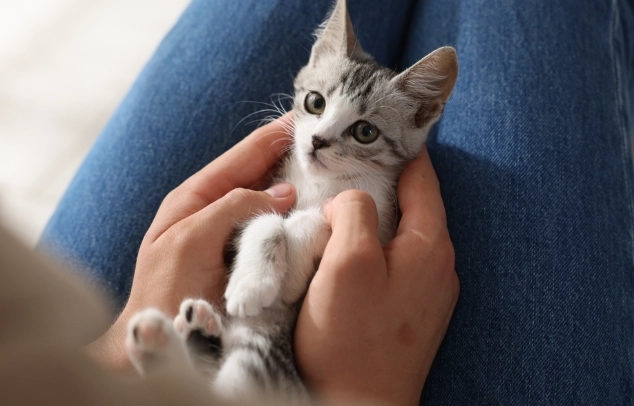
This guide is the one I wish I had. We're going to move past the generic "love your pet" advice and get into the nitty-gritty, the stuff that actually matters when you have a living creature depending on you. This isn't just about survival; it's about setting up a foundation for a healthy, happy, and well-adjusted cat for the next 15-20 years.
Your Quick-Start Guide to Kitten Care
The Real Prep Work: More Than Just a Food Bowl
Before the kitten even sets paw in your home, you need a proper staging area. Don't just open the carrier and let them loose in your 2000 sq. ft. house. That's terrifying for them. Pick one room—a bathroom, spare bedroom, or walk-in closet—where they can decompress for the first few days. This is their safe base.
Here's your non-negotiable shopping list. Get this before pickup day.
- Litter Box & Litter: Get two. The rule is one per cat, plus one extra. For one kitten, start with two boxes. Make sure at least one has very low sides. Unscented, clumping litter is usually the best bet. Avoid crystals or heavily perfumed stuff; their noses are sensitive.
- Food & Water Bowls: Use shallow, wide ceramic or stainless steel bowls. Plastic can harbor bacteria and cause feline acne (yes, that's a thing). Have a water fountain? Even better. Cats are drawn to moving water.
- High-Quality Kitten Food: Look for food labeled specifically for "kittens" or "growth." It has higher protein and fat content. Don't cheap out here. Ask the breeder or shelter what they've been feeding and get a small bag of that to start, even if you plan to switch later.
- Scratching Posts: Not one, but several. Place them near where they sleep and in common areas. A tall, sturdy sisal post is ideal. This isn't optional furniture; it's essential for their claw health and your sofa's survival.
- Carrier: A hard-sided carrier is safest for travel. Leave it out with a soft blanket inside so it becomes a familiar, safe cave, not just the scary box that goes to the vet.
Feeding Your Kitten: Schedule Over Free-Feeding
The biggest misconception? That kittens can just graze all day. Free-feeding dry food can lead to picky eating and obesity down the line. Kittens need consistent energy.
From 8 weeks to about 6 months, plan on 3 to 4 meals a day. Their stomachs are the size of a walnut. They can't hold much, but they burn through calories incredibly fast. Set alarms if you have to.
What to feed? A combination of wet and dry food is often recommended. Wet food provides crucial hydration (cats have a low thirst drive), while dry food is convenient and good for dental health. The proportions are up to you, but ensure at least one meal is wet food. Always have fresh water available separately.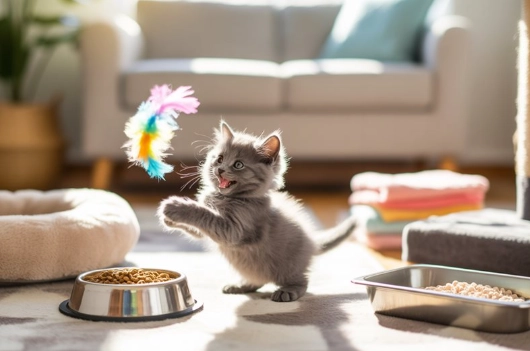
How much? This table is a rough guide, but always defer to the feeding chart on your specific food bag/can and your vet's advice. A kitten's needs vary wildly by breed and individual metabolism.
| Kitten Age | Daily Meals | Key Consideration |
|---|---|---|
| 2 - 4 months | 4 meals | High-calorie growth food. Portions are small (e.g., 1/4 can wet + kibble). |
| 4 - 6 months | 3 meals | Appetite increases. Monitor body condition to avoid overfeeding. |
| 6+ months | 2 meals | Can transition to adult feeding schedule. Spaying/neutering may slightly reduce caloric need. |
I made the mistake with Leo of giving him too much wet food too fast. He gobbled it and then threw it all up 10 minutes later. Lesson learned: small, frequent meals.
Health Checks & Vet Visits: Non-Negotiables
Your first vet visit should happen within the first week. This isn't just a meet-and-greet. It's a full workup.
The vet will check for parasites (fleas, worms, which are incredibly common), listen to their heart and lungs, and discuss a vaccination schedule. FVRCP (the core distemper vaccine) and rabies are standard. Don't skip these because your kitten is "indoors only." You track viruses in on your shoes.
Here’s a typical core vaccine schedule, but your vet's plan is law.
| Vaccine | First Dose | Second Dose | Third Dose | Booster |
|---|---|---|---|---|
| FVRCP | ~6-8 weeks | ~10-12 weeks | ~14-16 weeks | 1 year later, then every 3 years |
| Rabies | ~12-16 weeks | — | — | 1 year later, then annually or every 3 years (by law) |
Discuss deworming and flea prevention. Even indoor kittens need protection. Also, talk about spaying or neutering. Most vets recommend this between 4-6 months. It prevents unwanted litters, reduces roaming and spraying behaviors in males, and eliminates the risk of certain cancers.
Socialization & Behavior: Building a Confident Cat
Socialization isn't just about cuddles. It's about positive exposure. The prime window is between 2 and 7 weeks, but the work continues through 14 weeks and beyond. You're teaching your kitten that the world is not scary.
Week 1 at Home: Let them explore their safe room. Sit on the floor and let them come to you. Use toys (feather wands are magic) to engage, not your hands. Never force interaction.
Handling: Gently handle their paws (to prep for nail trims), look in their ears, and open their mouth. Pair this with treats. Getting them used to a carrier? Feed meals in it.
Introducing New Things: Vacuum cleaner, hair dryer, doorbell sounds. Play these sounds at low volume while they eat or play, gradually increasing. Have friends over (calm ones) to meet them. The goal is neutral acceptance, not necessarily that they love everyone.
The most common behavioral mistake I see? Using hands as toys. It's cute when a 12-week-old kitten pounces on your finger. It's painful and dangerous when a 12-pound cat does it with adult teeth and strength. Always use a toy as the target for play.
Your Kitten Care Questions, Answered

Bringing home a kitten is a commitment, but it's one of the most rewarding experiences. It's messy, surprising, and full of learning curves—for both of you. Focus on these fundamentals: a safe space, a strict feeding and vet schedule, and patient, positive socialization. Do that, and you're not just raising a kitten; you're building a lifelong bond with a fantastic cat. Now go enjoy those purrs and playful pounces.



Join the Conversation