Quick Navigation
- First Things First: The Critical Initial Steps (Before You Give Anything)
- The Golden Question: What to Give Dogs with Diarrhea and Vomiting for Hydration?
- The Bland Diet: Your New Best Friend
- What to Give vs. What to Absolutely Avoid: A Clear-Cut Table
- When "What to Give at Home" Isn't Enough: The Vet Red Flags
- The Long Game: Transitioning Back to Normal Food
- Digging Deeper: Common Questions About What to Give Dogs with Diarrhea and Vomiting
- Prevention: Building a Resilient Gut
Let's be honest, few things are more worrying than hearing that awful retching sound from the other room, followed by the discovery of a messy accident on your floor. Your dog is sick, and you're scrambling for answers. You type "what to give dogs with diarrhea and vomiting" into Google, your mind racing. Is it something serious? Should you rush to the emergency vet? What can you possibly feed them that won't make everything worse?
I've been there. My own Labrador, Buddy, once had a spectacular 24-hour bug that had me cleaning up more than I care to remember. The panic is real. The good news is, most episodes of acute vomiting and diarrhea in dogs are not life-threatening and can be managed at home with some careful steps. The key is knowing what to give, what not to give, and when to stop playing vet and call the real one.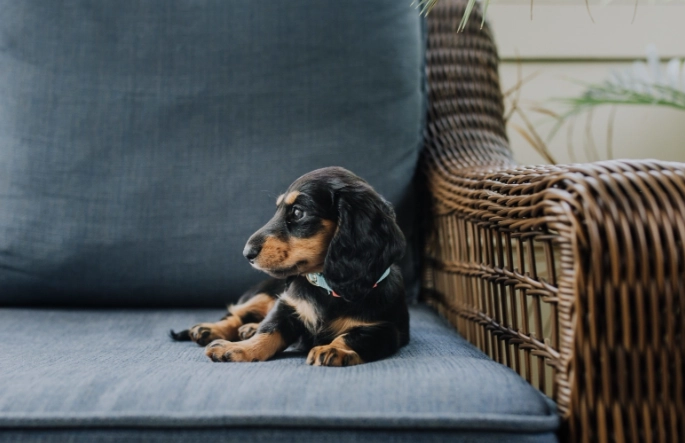
First Things First: The Critical Initial Steps (Before You Give Anything)
Hold on. Before you start rummaging through the pantry for chicken and rice, you need to hit pause. Your first job isn't feeding; it's assessing and stabilizing. Giving food or the wrong thing too soon can actually worsen the situation.
But here's the crucial part everyone forgets: water must be managed too. Free access to a big bowl of water can lead a nauseous dog to gulp it down, only to vomit it right back up, worsening dehydration. Instead, offer small amounts of water frequently—think a few ice cubes or a couple of tablespoons every 20-30 minutes.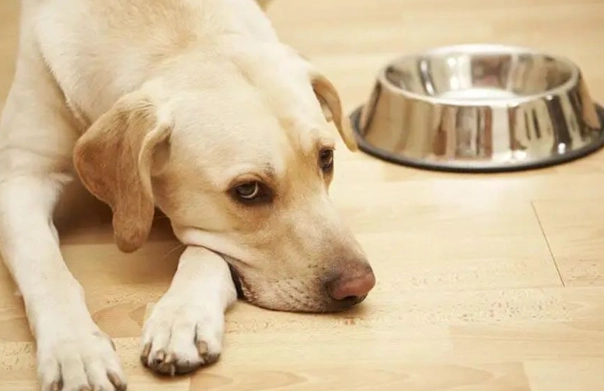
If they can't keep even these tiny sips down, it's a major red flag. Dehydration is the silent danger with vomiting and diarrhea, especially in small dogs and puppies. You can check for it by gently pinching the skin at the back of their neck. If it doesn't snap back quickly, they're getting dehydrated.
The Golden Question: What to Give Dogs with Diarrhea and Vomiting for Hydration?
Once the vomiting has stopped for a few hours, and you're moving from the "resting" phase to the "rehydrating and reintroducing" phase, plain water might not be enough. Electrolytes are lost in that mess, and you need to replace them.
Avoid sports drinks like Gatorade—they're too high in sugar and have artificial colors and flavors that can irritate a sensitive stomach. The goal is simple, bland rehydration.
The Bland Diet: Your New Best Friend
Okay, the 12-24 hour fast is over. No vomiting. Your dog is keeping down small sips of water or Pedialyte. Now you can finally address the core of "what to give dogs with diarrhea and vomiting." You introduce a bland diet.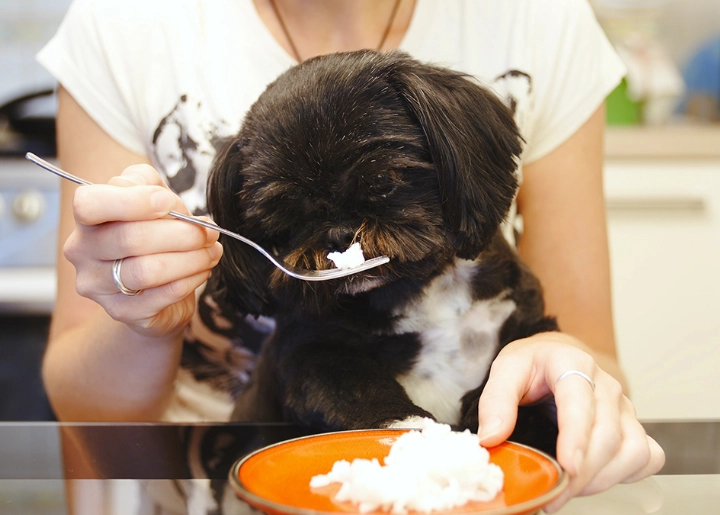
This isn't their regular kibble. This is culinary medicine. The classic, and for good reason, is boiled white meat chicken (no skin, no bones, no seasoning) and plain white rice. The chicken provides easily digestible protein, and the rice acts as a binding agent to help firm things up.
Why This Combo Works
The magic is in the simplicity. These foods are low in fat, low in fiber, and highly digestible, giving the gut a break while providing essential calories. I use a ratio of about 1 part chicken to 2 parts rice. Cook the rice so it's a bit mushier than usual—it's gentler that way.
But what if your dog is allergic to chicken? Or you don't have any? No panic needed. You have options.
Bland Diet Alternatives
- Boiled Lean Ground Beef or Turkey: Drain ALL the fat after boiling. I mean it. Fat is a major gut irritant right now.
- Plain Pumpkin (100% pure, NOT pie filling): This is a fantastic source of soluble fiber, which can help absorb excess water in the intestines and firm up stool. A tablespoon or two mixed into a bland meal can work wonders. I always keep a can in the pantry.
- Plain, Low-Fat Cottage Cheese or Scrambled Egg: Another easily digestible protein source. For the egg, scramble it with no butter, oil, or milk.
- Plain, Boiled Potatoes or Pasta: These can stand in for rice as a simple carbohydrate source.
Start small. The first meal after the fast should be about a quarter of their normal meal size. Wait a few hours. If all is well, give another small meal. The process is slow and incremental.
What to Give vs. What to Absolutely Avoid: A Clear-Cut Table
This is where people get into trouble. In the stress of the moment, we might offer something we think is soothing, but it's actually harmful. Let's make this crystal clear.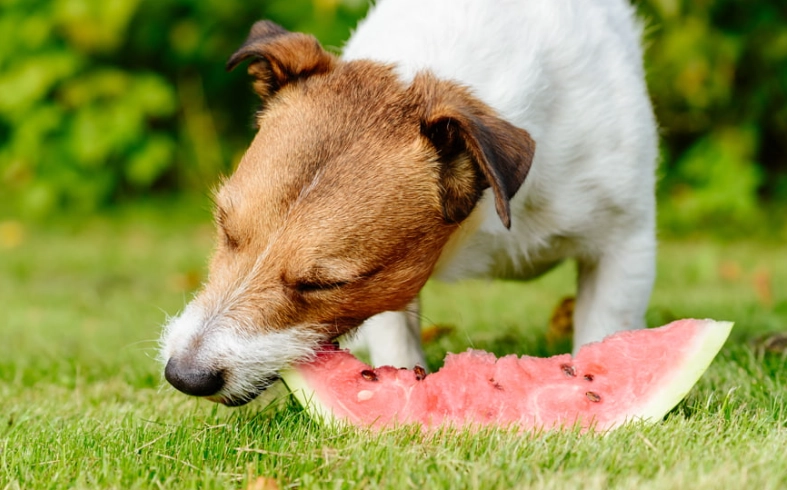
| Safe to Give (After Fasting) | Never Give (Can Make It Worse) | Proceed with Extreme Caution |
|---|---|---|
| Boiled Chicken & White Rice - The gold standard. | Dairy (Milk, Cheese, Yogurt) - Most dogs are lactose intolerant. This causes more diarrhea. | Over-the-Counter Human Meds - Like Pepto-Bismol or Imodium. Only with explicit vet instruction. Some can be toxic. |
| Plain Pumpkin (100%) - Great for fiber. | Fatty Foods, Grease, or Bones - A surefire way to cause pancreatitis, a serious illness. | Probiotics - Can be helpful, but choose a canine-specific brand. Human ones may not be right. |
| Small Sips of Water/Pedialyte - For hydration. | Spicy, Seasoned, or Salty Foods - Major gut irritants. | Bone Broth - Must be homemade (no onions/garlic) or certified safe. Store-bought often has salt and onion powder. |
| Boiled Lean Ground Beef (fat drained) | Chocolate, Grapes, Xylitol - These are outright toxic, always. | New "Sensitive Stomach" Kibble - Introduce mixed with bland diet over 5-7 days, not all at once. |
See that middle column? That's the "do not cross" line. Giving a dog with diarrhea a cheesy treat because you feel bad for them is one of the most common mistakes I see. You're not helping; you're extending the misery.
When "What to Give at Home" Isn't Enough: The Vet Red Flags
This is the most important section. Knowing when to stop is as critical as knowing what to give. Home care has its limits. If you see any of the following, pick up the phone. Don't wait.
- Vomiting or diarrhea that continues for more than 24 hours despite fasting and bland diet introduction.
- Blood in the vomit (looks like coffee grounds) or stool (bright red or black/tarry). This is non-negotiable. Vet. Now.
- Lethargy that's more than just "sleepy." I'm talking about a dog that won't get up, seems weak, or is unresponsive.
- Signs of severe pain: Whining, trembling, a hunched back, or a tense abdomen.
- A distended or hard belly. This could indicate a dangerous blockage.
- Puppies, senior dogs, or small breeds. They dehydrate frighteningly fast. I'm much quicker to call the vet for my friend's tiny Chihuahua than I was for my sturdy Lab.
- If your dog has any pre-existing conditions like diabetes, kidney disease, or is on medication.
What will the vet do? They might administer anti-nausea injections (like Cerenia), provide subcutaneous or IV fluids for rapid rehydration, run tests to rule out parasites, infections, or blockages, and prescribe a specific therapeutic diet. Sometimes, the answer to "what to give dogs with diarrhea and vomiting" is "prescription gastrointestinal food from your vet," which is formulated to be ultra-digestible.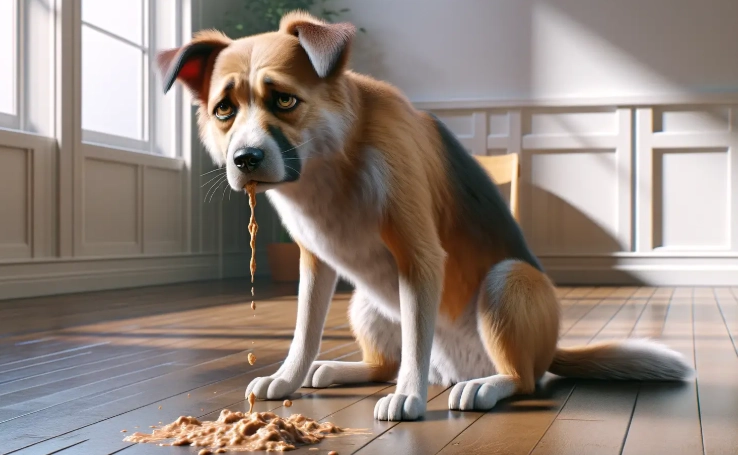
The Long Game: Transitioning Back to Normal Food
Let's say the crisis has passed. Your dog has been on a bland diet for 2-3 days and is having normal, solid stools. Hooray! But the journey isn't over. A sudden switch back to regular kibble can shock the system and restart the whole ordeal.
The transition should take 3-5 days. Here's a sample schedule:
Day 1-2: 75% bland diet / 25% regular food.
Day 3-4: 50% bland diet / 50% regular food.
Day 5: 25% bland diet / 75% regular food.
Day 6+: 100% regular food.
If at any point during this transition the soft stools or vomiting return, step back to the previous ratio for a couple more days. The gut lining takes time to heal completely.
Digging Deeper: Common Questions About What to Give Dogs with Diarrhea and Vomiting
Let's tackle some specific scenarios that keep popping up. These are the real-world questions people have after the basic advice.
"My dog has diarrhea but is not vomiting. What do I give?"
The protocol is similar but often less strict. You can usually skip the long fast. Withhold food for 8-12 hours, ensure hydration, then start with a bland diet. Pumpkin is your superstar here for its fiber content. The core question of what to give dogs with diarrhea still centers on simple, binding foods.
"What about probiotics or supplements?"
This is a hot topic. A good quality, canine-specific probiotic can help repopulate the gut with good bacteria after the storm. Brands like Purina Pro Plan FortiFlora are often recommended by vets. But think of it as a helper during recovery, not the first-line emergency treatment. For persistent issues, your vet might suggest a probiotic with prebiotics or a digestive enzyme.
"Can I give my dog Imodium or Pepto-Bismol?"
I'm going to be blunt: Do not do this without explicit direction from your veterinarian. This is a massive point of confusion. The active ingredient in some Imodium (loperamide) can be toxic to certain dog breeds (like Collies) and can mask symptoms of a serious problem like a blockage or toxin ingestion. Pepto-Bismol contains aspirin derivatives that can be problematic. The American College of Veterinary Pharmacists provides detailed warnings on this. The potential risks far outweigh the benefits. When in doubt, the safest thing to give is nothing from your medicine cabinet.
"How do I know if it's a food allergy vs. just a bug?"
Timing and recurrence. A one-off incident after your dog raids the trash is likely a bug or dietary indiscretion. Chronic, recurring episodes of vomiting and diarrhea (especially if accompanied by itchy skin or ear infections) point toward a potential food allergy or intolerance. This requires a vet visit and possibly an elimination diet trial to identify the culprit protein (common ones are beef, dairy, chicken, wheat). Figuring out what to give dogs with chronic diarrhea and vomiting is a diagnostic process, not just a home remedy.
Prevention: Building a Resilient Gut
After you've survived an episode, you naturally want to prevent the next one. While you can't stop every virus, you can build a healthier foundation.
- Diet Consistency: Sudden food changes are a top cause of upset stomachs. Transition over 7-10 days when switching foods.
- Mind the Treats & Scraps: Be the treat police. Rich people food, fatty meats, and unfamiliar treats are common culprits. I learned this the hard way after giving Buddy a piece of sausage.
- Stress Management: Believe it or not, stress can cause GI upset in dogs (just like in us). Big changes, travel, or anxiety can manifest as vomiting or diarrhea.
- Regular Parasite Prevention: Intestinal worms like roundworms and giardia can cause these symptoms. Keep up with your vet-recommended deworming schedule.
- Know Your Dog's Foraging Habits: If your dog is a notorious trash raider or eats things on walks, you need to be extra vigilant. Management is key.
So, the next time you're faced with a sick pup and that panicked search for what to give dogs with diarrhea and vomiting, remember this roadmap. Start with rest, not food. Manage hydration smartly. Introduce a simple, bland diet with patience. And most importantly, know the warning signs that mean it's time for professional help. Having a plan takes the panic out of the situation and lets you focus on helping your best friend feel better.
Join the Conversation