In This Guide
- The Subtle Shifts: Early Signs of Aging vs. Health Problems
- Breaking It Down by System: Common Old Dog Ailments and Their Symptoms
- The "Get to the Vet Now" Symptoms
- Your Action Plan: From Observation to Vet Visit
- Living With a Senior Dog: Practical Comfort Tips
- Questions Other Dog Parents Are Asking (And You Might Be Too)
- Wrapping It Up: Your Eyes Are the Best Tool
I remember when my own dog, Buddy, hit about ten years old. He was a lively Labrador one day, and then it seemed like he became a different dog almost overnight. He'd stare at walls, stumble on the stairs he'd climbed for years, and his appetite wasn't what it used to be. I was worried, but I also kept brushing it off. "He's just getting old," I'd tell myself. Sound familiar?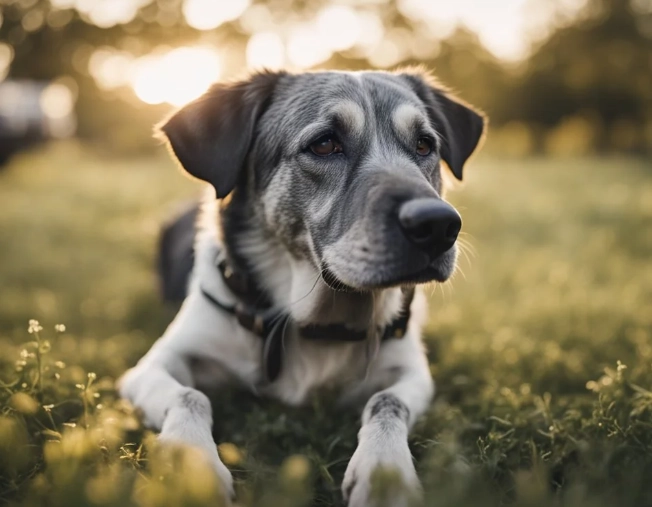
That's the tricky part with our senior companions. The line between "normal aging" and "old dog health problems symptoms" can be incredibly blurry. We love them so much that we sometimes explain away the warning signs. But catching these changes early is the single most powerful thing we can do to manage their comfort and health.
This isn't about scaring you. It's about empowering you. By the end of this, you'll have a much clearer picture of what to look for, what it might mean, and when it's time to pick up the phone and call your vet. Because our old dogs rely on us to be their voice.
The Subtle Shifts: Early Signs of Aging vs. Health Problems
Let's start with the basics. Not every change is a five-alarm fire. Some are just part of the journey.
Normal Aging Might Look Like: A general slowing down. Shorter walks are preferred. More napping. A little gray around the muzzle. Maybe they're a bit stiffer when they first get up but then "walk it off." Their hearing and sight might dull slightly. This is the gentle, gradual process.
But then there are the old dog health problems symptoms that masquerade as simple aging. This is where you need to put on your detective hat.
Behavioral Red Flags You Shouldn't Ignore
Dogs communicate through behavior. A change here is often the first clue.
- Confusion or Disorientation: Getting "lost" in a corner of the room, staring blankly at walls or furniture, seeming unsure about how to go around an object. This is a big one for cognitive decline.
- Changes in Interaction: A social butterfly becoming withdrawn or hiding. Or a normally independent dog becoming unusually clingy and needy. Both are signals.
- Anxiety and Restlessness: Pacing, especially at night. Whining for no apparent reason. Increased startle response. This isn't just "being old and cranky." It can indicate pain, cognitive issues, or sensory loss.
- Housetraining Accidents: A previously reliable dog having indoor accidents is a classic and often heartbreaking sign. It could be cognitive (they forget where to go), physical (arthritis makes it hard to posture or get outside in time), or medical (a urinary tract infection or kidney disease).
See what I mean? That last one could be three totally different things. That's why context and looking at the whole picture is everything.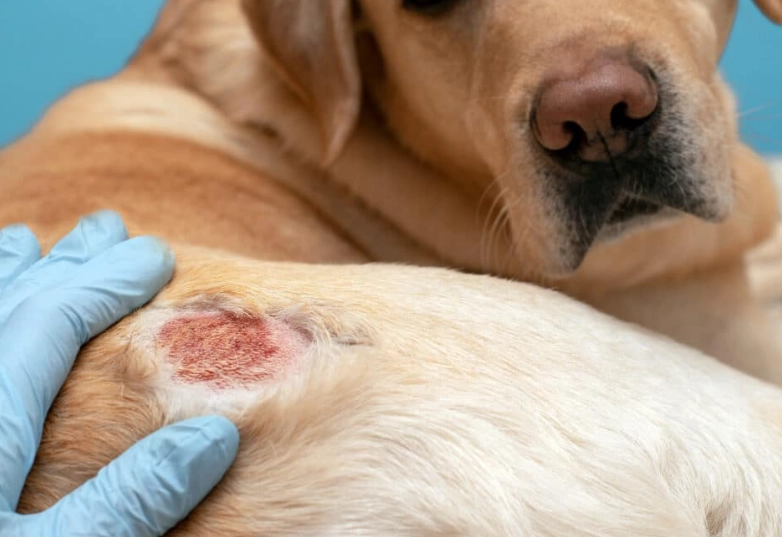
Physical Changes That Demand Attention
The body tells a story. You just have to know how to read it.
- Mobility Issues: This is more than just stiffness. It's hesitation before jumping on the couch or into the car. Slipping on smooth floors. Difficulty finding a comfortable position to lie down. A noticeable change in gait (limping, bunny-hopping with the back legs).
- Changes in Weight: Both weight loss and weight gain are concerning. Unexplained weight loss can signal metabolic diseases like kidney failure or cancer. Weight gain, coupled with reduced activity, can exacerbate problems like arthritis.
- Lumps and Bumps: Not every lump is cancerous, but every new lump on an older dog needs to be checked by a vet. Period. It's non-negotiable.
- Coat and Skin Quality: A dull, dry, or thinning coat. Flaky skin. Unusual odors. These can point to hormonal issues, allergies, or systemic problems.
I made the mistake of ignoring a small lump on Buddy for a few months, chalking it up to a harmless cyst. It wasn't. Don't be like me.
Breaking It Down by System: Common Old Dog Ailments and Their Symptoms
To really understand, it helps to group symptoms of health problems in old dogs by the body system they likely affect. Think of this as your quick-reference guide.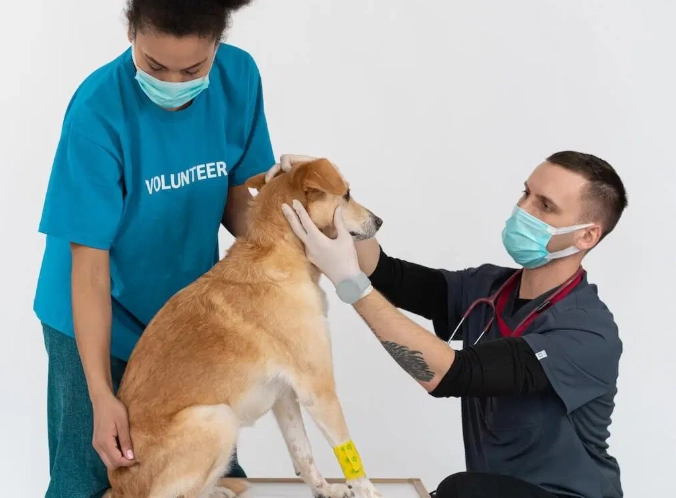
1. The Aching Joints: Arthritis and Mobility Disorders
This is probably the most common issue. It's not just about slowing down; it's about chronic pain.
Key Symptoms to Watch For:
- Reluctance to climb stairs, jump, or run.
- Stiffness that lasts more than 30 minutes after rest.
- Limping or favoring a leg (though this can shift from day to day).
- Yelping or flinching when touched in a specific area.
- Muscle wasting in the hind legs, making them look thinner.
What you can do now: Provide orthopedic beds, use ramps for cars and furniture, keep nails trimmed short for better traction, and consider supplements like glucosamine after talking to your vet. Weight management is absolutely critical here—every extra pound stresses those joints.
2. The Confused Mind: Canine Cognitive Dysfunction (CCD)
Doggy dementia. It's a real thing, and the signs are very specific. The American Veterinary Medical Association provides excellent resources on recognizing behavioral changes in pets. I often refer to the AVMA's guide on behavior changes in aged pets for a professional perspective.
Vets use the acronym DISH to diagnose it:
- Disorientation (getting lost at home, staring into space).
- Interactions changed (withdrawn from family, less interested in greeting).
- Sleep-wake cycle disturbances (restless at night, sleeping all day).
- Housetraining accidents.
If your dog shows one or more of these, it's time for a vet chat. It's a progressive disease, but there are diets, supplements, and medications that can help manage it and improve quality of life.
3. Dental Disease: The Silent Pain
Bad breath isn't just "dog breath." It's usually a sign of infection and inflammation that can affect the heart, liver, and kidneys.
Symptoms: Obviously, terrible breath. Dropping food, chewing on one side of the mouth, pawing at the face, red or bleeding gums, and visible tartar or loose teeth. A dog with a sore mouth may also be grumpy.
4. The Internal Engine: Heart, Kidney, and Liver Disease
These are the big, scary ones. Their symptoms can be vague but persistent.
| Condition | Common Early Symptoms | Possible Later Symptoms |
|---|---|---|
| Heart Disease | Coughing (especially at night or after resting), reduced stamina, tiring easily on walks. | Difficulty breathing, rapid breathing at rest, fainting, bloated abdomen. |
| Kidney Disease | Increased thirst and urination, subtle weight loss, slight decrease in appetite. | Significant weight loss, vomiting, bad breath (like ammonia), ulcers in the mouth, lethargy. |
| Liver Disease | Intermittent nausea, occasional vomiting or diarrhea, subtle lethargy. | Jaundice (yellow gums/whites of eyes), ascites (fluid in belly), significant mental confusion. |
Notice the pattern? Increased drinking and peeing is a mega-red flag for several metabolic issues. Start measuring their water intake if you're suspicious.
5. Vision and Hearing Loss
This often happens gradually. You might notice they startle more easily if approached from their deaf side, or they bump into furniture in low light. Cloudy eyes (nuclear sclerosis) are common and usually don't severely impair vision, but a sudden cloudy blue hue or red eye is an emergency (could be glaucoma). The American College of Veterinary Ophthalmologists website has clear diagrams explaining these differences, which I find helpful for owners trying to understand what they're seeing.
The "Get to the Vet Now" Symptoms
Some old dog health problems symptoms mean you shouldn't wait. Call your vet or an emergency clinic immediately if you see:
- Sudden collapse or inability to stand.
- Difficulty breathing, choking, or blue-tinged gums.
- Non-stop vomiting or diarrhea (especially with blood).
- Seizures.
- Evidence of severe pain: crying, shaking, hiding aggressively.
- Straining to urinate or defecate without producing anything. (This is a urinary blockage emergency, more common in males).
- A distended, hard abdomen. (Could be Gastric Dilatation-Volvulus or "bloat," fatal if not treated ASAP).
It's better to be safe and get checked out.
Your Action Plan: From Observation to Vet Visit
Okay, you've spotted some potential symptoms of health problems in your old dog. Now what? Don't panic. Be systematic.
- Start a Log. Seriously, grab a notebook or use your phone notes. Write down the symptom, date, time, and context. Is the coughing worse in the morning? Did the limping start after the weekend hike? This log is gold for your vet.
- Do a Gentle Home Check. In a calm moment, gently run your hands over your dog's body. Feel for new lumps, check for tender spots, look in their mouth (if safe), check their ears, and look between their toes. Note anything unusual.
- Prepare for the Vet. Bring your log. Bring a fresh stool sample. Write down your questions so you don't forget. If your dog is anxious, ask about pre-visit anti-anxiety meds.
- Understand the Diagnostics. Your vet will likely recommend blood work, urine tests, and possibly x-rays. These aren't upsells; they're essential tools to look inside a body that can't tell us where it hurts. A senior wellness blood panel is worth every penny as a baseline.
What if the vet says it's "just old age" but you're not convinced? Trust your gut. You know your dog better than anyone. Politely ask, "What else could it be?" or "Could we try a pain medication trial to see if it helps his mobility?" Be your dog's advocate.
Living With a Senior Dog: Practical Comfort Tips
Managing old dog health problems symptoms isn't just about meds; it's about daily comfort.
- Home Modifications: Rugs or yoga mats for traction on slippery floors. Baby gates to block off stairs. Raised food and water bowls for dogs with neck or back issues.
- Bedding: Multiple, well-cushioned beds in warm, draft-free areas. Orthopedic foam is great.
- Exercise: Short, frequent, gentle walks are better than one long, exhausting one. Let them set the pace and sniff—it's mental stimulation too.
- Diet: Talk to your vet about a senior-formulated food. They often have adjusted protein/phosphorus levels for kidneys, added joint supplements, and are easier to chew. The World Small Animal Veterinary Association (WSAVA) has global guidelines on life-stage nutrition that many vets follow.
It's the little things that add up to a good day for them.
Questions Other Dog Parents Are Asking (And You Might Be Too)
How often should my senior dog see the vet?
At least twice a year. Think of it this way: one year for a 10-year-old dog is like 5-7 years for us. A lot can change in six "dog years." Biannual check-ups are key for early detection.
My old dog is drinking a ton of water. Is this normal?
Increased thirst (polydipsia) is never normal. It is a primary symptom of several serious conditions like diabetes, kidney disease, or Cushing's disease. Measure their intake (more than 1 ounce of water per pound of body weight per day is excessive) and report it to your vet.
What's the difference between arthritis and just being stiff?
Duration and impact. Morning stiffness that improves with movement is common. Arthritis pain often worsens with activity, causes persistent lameness, and doesn't fully resolve after rest. If your dog hesitates to do things they once loved, it's more likely arthritis pain.
Are there any supplements that actually help with old dog symptoms?
Some have good evidence, but always check with your vet first—they can interact with medications. Omega-3 fatty acids (fish oil) are great for joint and brain health. Glucosamine/chondroitin can help some dogs with arthritis. For cognitive support, supplements containing medium-chain triglycerides (like in coconut oil) or SAM-e have shown promise. The AKC Canine Health Foundation funds research into many of these areas, and their site is a reliable place to look for science-backed information.
My dog is having accidents. How do I know if it's behavioral or medical?
Assume it's medical first. Rule out a urinary tract infection, kidney issues, diabetes, and cognitive dysfunction. Incontinence (dripping urine while asleep) is often a weak sphincter muscle, which is medical. True behavioral issues are rare in an older dog without an underlying cause.
Wrapping It Up: Your Eyes Are the Best Tool
Navigating your dog's senior years is a mix of love, vigilance, and accepting change. The goal isn't to chase immortality but to ensure quality of life. By learning to recognize the nuanced old dog health problems symptoms, you're not being paranoid—you're being a profoundly attentive and caring guardian.
Keep the routines they love, adjust the ones that cause stress, and cherish the slow, sniff-filled walks. Document changes, partner with a vet you trust, and remember that every day you're tuned into their needs is a good day for them. They've given you their whole life. Helping them through this last chapter with dignity and comfort is the greatest gift you can return.
Now go give your old friend a gentle scratch behind the ears. You've both got this.

Join the Conversation