Quick Guide
Okay, let's talk about something every rabbit owner goes through. You're sitting there, munching on an apple, and those big, adorable bunny eyes are locked on you. The guilt sets in. Surely a little piece won't hurt? But then you pause. Wait, what fruit can rabbits eat daily, and what's just an occasional treat? The internet is full of conflicting advice, and it's enough to make your head spin.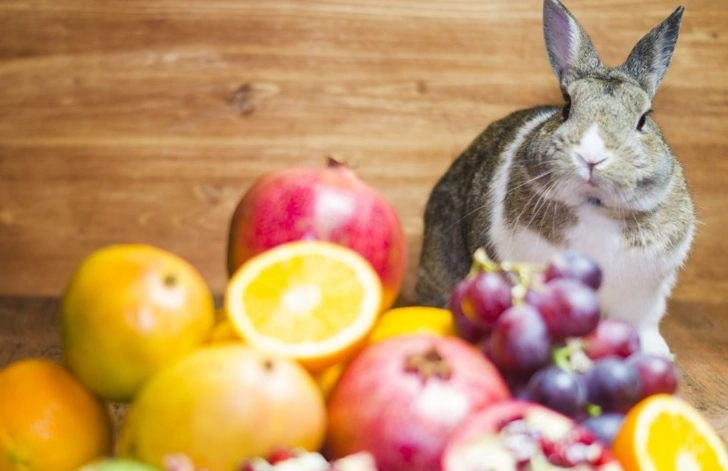
I've been there. When I first got my rabbit, Thumper, I made the classic mistake. I thought "fruit is natural, so it must be good!" and gave him a big chunk of banana. He loved it, of course. Who wouldn't? But soon after, I noticed his poops were… different. Smaller, misshapen. A quick panic-search and a call to my vet taught me a harsh lesson about sugar and delicate rabbit digestive systems. It was a wake-up call.
So, I dove deep. I talked to vets, read studies from places like the Rabbit Welfare Association & Fund (RWAF), and experimented (carefully!) with my own herd. What I learned was surprisingly simple, yet most guides overcomplicate it. This isn't about memorizing a huge list. It's about understanding a few core principles. Let's cut through the noise and figure out, once and for all, what you can safely offer your bunny every single day.
Core Idea: The answer to "what fruit can rabbits eat daily" isn't a long list. For most rabbits, no fruit is truly a "daily" necessity. But some low-sugar options can be offered more regularly than others in tiny, controlled amounts. The real daily superstars are hay, fresh greens, and water.
The Core Question: What Fruit Can Rabbits Eat Daily?
Let's be brutally honest. Rabbits don't need fruit. In the wild, they'd come across fallen berries or windfall apples very occasionally, not as a staple. Their digestive systems are designed for high-fiber, low-sugar, low-starch foods—think endless grass and hay.
Fruit is essentially bunny candy. It's high in natural sugars (fructose). Giving too much, too often, is a fast track to obesity, gastrointestinal stasis (a deadly condition where the gut slows down or stops), and painful dental issues because the sugar feeds bad bacteria.
So, when we ask "what fruit can rabbits eat daily," we're really asking: "Which fruits have the lowest sugar and highest fiber content, making them the least risky for more frequent, tiny servings?"
Based on nutritional data and veterinary guidance, here are the top contenders for fruits you can consider offering in a small pinch a few times a week, which for many owners feels like a "daily" routine. Remember, variety is key. Don't just give the same thing every day.
Critical Rule: Even with these "safer" options, the portion size is non-negotiable. We're talking about 1-2 teaspoons worth per 2 lbs (1 kg) of your rabbit's body weight, and only 2-3 times a week maximum. For a small Netherland Dwarf, that's a piece of apple the size of your thumbnail.
The Top 5 Fruits for More Regular Feeding
Here’s my personal ranking, from best to good, for fruits that fit the "what fruit can rabbits eat daily" question if we're being liberal with the term "daily." I weigh sugar content, fiber, and overall nutrient profile.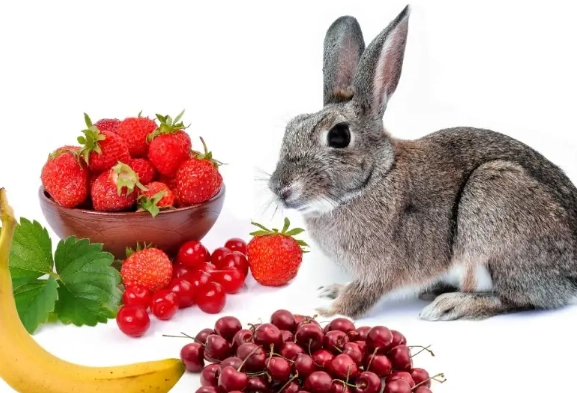
| Fruit | Why It's a Better Choice | Key Precautions & Serving Tip | Frequency Suggestion |
|---|---|---|---|
| Apple (skin on) | High in fiber (pectin) if skin is left on. Relatively lower in sugar than tropical fruits. A classic most bunnies love. | SEEDS MUST BE REMOVED. Apple seeds contain cyanide. Wash thoroughly to remove pesticides. A thin slice is plenty. | 2-3 times a week |
| Blueberries | Packed with antioxidants. Very small, so portion control is easy—one or two berries is a perfect treat. | Can stain! Don't be alarmed by blue-tinted urine or poop later. It's normal and harmless. | 2-3 times a week (1-2 berries) |
| Pear (skin on) | Similar to apple. Good fiber content. Slightly sweeter, so be extra mindful of the tiny portion. | Seeds should be avoided as a precaution, though they are less toxic than apple seeds. The core is tough to digest. | 1-2 times a week |
| Peach or Nectarine (flesh only) | Provides some vitamin A. The flesh is soft and easy to eat. | Pit and surrounding stem area are toxic. Only offer a small cube of the clean flesh. High in sugar. | Once a week |
| Melon (Cantaloupe, Honeydew) | High water content can be hydrating. The rind (washed) is actually a great, fibrous treat! | The flesh is very sugary. A better treat is a small piece of the washed green rind, which is lower in sugar. | Flesh: once a week. Rind: 2-3 times a week. |
See? It's a short list. And even these need to be rationed. I often use a blueberry as a "reward" for coming when called or for nail-trimming cooperation. Thumper goes nuts for it, but one is his limit.
The "Sometimes Treats" – Fruits for Rare Occasions
Now, these are the fruits that answer the question "what fruit can rabbits eat daily" with a firm "absolutely not." They are super high in sugar or have other issues. But depriving your bunny of banana forever seems cruel, right? The key is to treat these like you would a rich dessert for yourself—for special occasions only.
- Banana: The ultimate bunny crack. Insanely high in sugar and starch. A piece the size of your pinky nail once a week is MORE than enough. Seriously, go even smaller. The peel (washed) is actually lower in sugar and can be offered more often as a chew.
- Grapes & Raisins: High sugar, and there's some debate about potential kidney issues in large quantities. I avoid raisins (concentrated sugar) entirely. One single, cut-in-half grape, once a month, is my personal rule.
- Mango & Papaya: Tropical sugar bombs. They contain enzymes (papain) sometimes said to help with fur digestion, but the sugar overload isn't worth it. A tiny cube once in a blue moon.
- Cherries: The flesh is okay, but the pits, stems, and leaves are poisonous. Too much hassle and risk for me. I skip them.
- Citrus (Oranges, etc.): Generally not recommended. The high acidity can upset their stomach. Most rabbits also don't like the strong smell.
I keep a bag of frozen mixed berries (no added sugar) in my freezer. For a treat, I'll take out one single raspberry or blackberry, let it thaw, and give it to Thumper. It's a fun variety, and freezing seems to make it last forever.
The Golden Rules of Feeding Fruit (This is Non-Negotiable)
Knowing the list is only 20% of the battle. The other 80% is how you do it. Mess this up, and you'll have problems, regardless of which fruit you choose.
1. The 24-Hour Introduction Rule
Never, ever introduce a new fruit (or any new food) and then give another new thing the next day. Give one tiny piece of the new fruit. Then wait a full 24 hours. Monitor their poop size, shape, and quantity. If it gets soft, small, or stops, you know that fruit doesn't agree with your bunny. Stop it immediately. This simple rule has saved me countless potential vet visits.
2. Hay is King, Not Fruit
This can't be overstated. About 80-90% of a rabbit's diet must be unlimited, high-quality grass hay (Timothy, Orchard, Meadow). Fruit should never, ever replace or reduce hay consumption. If your bunny is picking fruit over hay, you're giving too much fruit. The ASPCA's rabbit care guide stresses this point heavily. Hay wears down their constantly growing teeth and keeps their gut moving. Fruit does the opposite.
3. The Tiny Teaspoon Measure
Get a measuring teaspoon. Seriously. Our eyes are terrible at judging "small" amounts for a tiny animal. For a 5 lb rabbit, 1-2 teaspoons of fruit total, 2-3 times a week, is the absolute max. That's it. For smaller bunnies, even less.
My confession: I used to eyeball it. "That slice looks small." After Thumper's banana incident, I bought a set of measuring spoons. The "1/4 teaspoon" spoon is my go-to for his treats. It feels ridiculously small, but it's the right size for his health. It keeps him eager for the next treat without the side effects.
4. Wash, Peel, Pit, and Core
Always wash fruit to remove pesticides. Remove all seeds, pits, stems, and cores. Apple seeds (cyanide), peach pits (cyanide), cherry pits (cyanide)—see a pattern? These parts can be toxic or cause choking. The flesh is the only safe part.
Answering Your Real Questions (FAQs)
Can baby rabbits eat fruit?
No. Absolutely not. A rabbit's digestive system isn't fully mature until they are about 6-7 months old. Stick to alfalfa hay, pellets, and water. Introducing fruit too early can cause lifelong digestive sensitivity. Wait until they are adults.
My rabbit won't eat hay after getting fruit! What do I do?
This is the most common problem. You've created a sugar addict. The solution is a hard reset. Stop all fruit and treats immediately. For 1-2 weeks, offer only hay, fresh water, and a limited portion of pellets. Try different types of hay (Timothy vs. Orchard vs. Botanical). Sprinkle dried forage (like dandelion leaves) in the hay. It will be tough love, but it's essential for their health. Their hay intake must come back up.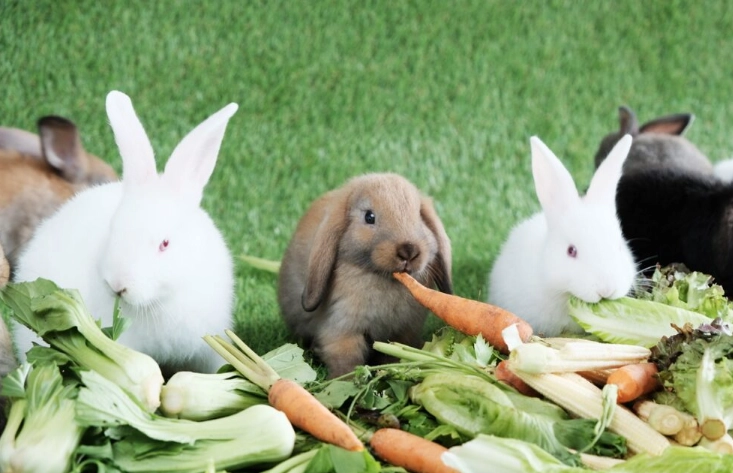
Are dried fruits okay?
Worse. Drying concentrates the sugar. A raisin is a sugar landmine. A small piece of dried apple (with no added sugar) might be okay as a very rare treat, but fresh is always better because it has water content. I avoid dried fruits altogether.
What about fruit juice or smoothies?
No. Just no. All the sugar, none of the fiber. It's liquid candy with zero nutritional benefit for a rabbit. Stick to water.
Can fruit help with bonding?
Yes! This is where fruit shines. Holding a tiny piece of apple can make you the most interesting person in the world to your bunny. Use it for positive reinforcement, for handling, for teaching tricks. The key is the tiny piece. The goal is the interaction, not the volume of food.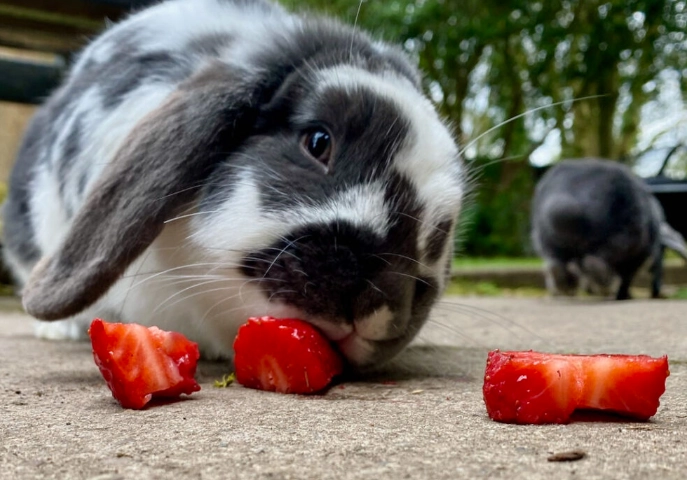
What If My Rabbit Ate Too Much Fruit?
It happens. Maybe a piece fell on the floor, or a well-meaning guest gave a whole strawberry. Don't panic, but be vigilant.
- Remove all other food sources except hay and water. No more pellets or greens for the next 12 hours. You want to force them to eat hay to get that fiber moving.
- Monitor poop like a hawk. You're looking for a reduction in the number of poops, or poops that are small, misshapen, or strung together like a pearl necklace.
- Encourage movement. Gently encourage them to hop around. Exercise helps gut motility.
- Know the emergency signs. If your rabbit stops eating ALL food (even hay), stops pooping entirely, becomes lethargic, or shows signs of abdominal pain (hunched posture, teeth grinding), this is an emergency. Gastrointestinal (GI) stasis can be fatal within 24 hours. Contact your vet immediately.
A stash of simethicone (baby gas drops) is a good thing to have in your rabbit first-aid kit. A small dose can help if they seem bloated or gassy from a sugary treat. But it's not a substitute for vet care if things are serious.
The Bottom Line: A Realistic Daily Plan
So, after all this, let's craft a realistic answer to "what fruit can rabbits eat daily" for a healthy adult rabbit.
Morning: Unlimited Timothy hay refreshed. A handful of fresh, dark leafy greens (romaine, cilantro, kale). Fresh water.
Evening: More hay. A tablespoon of good-quality pellets (optional for non-overweight buns).
Treat Time (2-3 times a week, not necessarily daily): A 1/4 to 1/2 teaspoon of a safe fruit—a sliver of apple, a single blueberry, a piece of melon rind. Use it for bonding.
See? Fruit isn't even in the main meals. It's a sidebar. A condiment. A tiny bonus.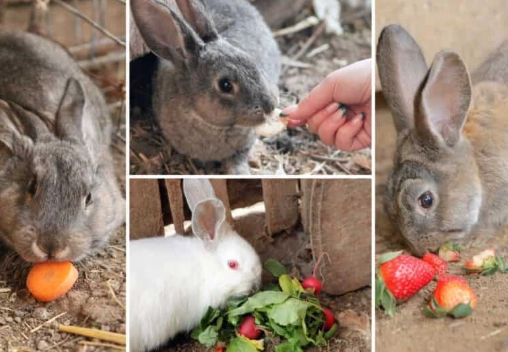
Focusing on the right question changes everything. Instead of "what fruit can rabbits eat daily," we should ask "how can I enrich my rabbit's diet for a long, healthy life?" The answer is always: phenomenal hay, a variety of greens, clean water, space to run, and your love. The occasional blueberry is just the cherry on top (but not a cherry, because those are risky).
It took me a while to learn that balancing my desire to spoil Thumper with what his biology actually needs was the real act of love. Now, when he nudges my hand for that tiny apple slice, I know it's a true treat for both of us—one that keeps him hopping happily for years to come.

Join the Conversation