Quick Guide
- The Top Contenders: Small Pets Known for Enjoying Human Contact
- The "It Depends" Crew: Pets Where Handling Varies Wildly
- The Universal Guide: How to Handle ANY Small Pet (The Right Way)
- Handling Preferences & Techniques at a Glance
- Answering Your Burning Questions (FAQ)
- Beyond Cuddles: The Bigger Picture of Welfare
Let's be real for a second. You're probably browsing this because you've seen those adorable videos—a fluffy guinea pig snuggling in someone's lap, a rat happily taking treats from a hand, a chinchilla looking impossibly soft. And you think, "I want that!" But then you remember your friend's hamster that bit anything that moved, or the gerbil at the pet store that zoomed away like a furry rocket. It leaves you wondering: which of these little guys actually enjoy human contact? What small pets like to be handled, and which ones would rather be left to their own devices?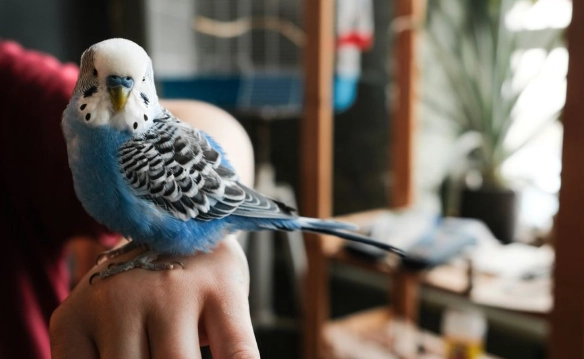
It's a fantastic question, and the answer isn't as simple as a yes or no list. It's more of a spectrum, from "please hold me forever" to "I will tolerate this for exactly three seconds for a sunflower seed." A pet's desire to be handled depends on a cocktail of factors: species, individual personality, how they were raised (their history matters, big time), and, crucially, how you approach them. You can't just grab any small animal and expect a cuddle. It's about building trust, reading their body language, and understanding what makes them tick.
I've made my share of mistakes over the years. I once assumed all hamsters were grumpy until I met one that would fall asleep in my hand. I learned that lesson the hard way. So, let's ditch the assumptions and get into the nitty-gritty of what small pets like to be handled, how to tell if they're enjoying it, and how to become the person they actually want to interact with.
The Top Contenders: Small Pets Known for Enjoying Human Contact
Alright, let's get to the good stuff. If your primary goal is a small animal that will likely enjoy sitting with you, being petted, and hanging out, some species have a much better track record than others. This isn't a guarantee—every animal is an individual—but it's a strong starting point.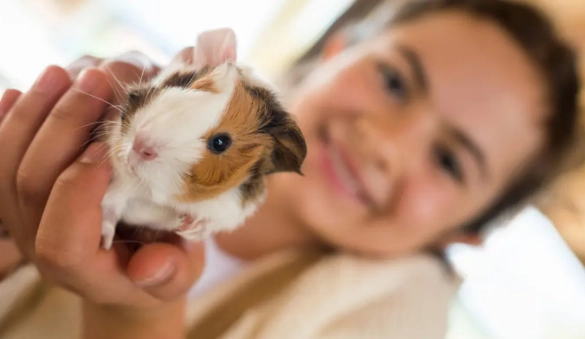
Guinea Pigs: The Social Butterflies
Guinea pigs are often at the top of the list for a reason. They are highly social herd animals by nature. In the wild, they live in groups, and that social wiring translates well to bonding with humans—if done right. A well-socialized guinea pig doesn't just tolerate handling; they often seek it out, especially if it means laptime with a fresh salad.
They communicate with a wonderful array of sounds—wheeking for food, purring when content. That purr when you stroke them? That's a pretty good sign you're doing something right. They're also larger and less fragile than some other small pets, which can make handling feel less nerve-wracking for beginners. They're less prone to sudden, lightning-fast escapes (though they can still move when motivated!).
How to handle them: Always use two hands, fully supporting their body and hindquarters. Never pick them up by the shoulders or scruff. Let them walk onto your hands or use a cuddle cup. They feel safest with all four feet on something solid, so your lap or a cozy towel on your chest is perfect.
Rats: The Shockingly Affectionate
If you have any preconceived notions about rats, prepare to have them dismantled. Domesticated rats are, in my opinion, one of the most intelligent and affectionate small pets you can own. They form deep bonds with their owners. They don't just like to be handled; they often demand it. A rat will climb your arm to sit on your shoulder, groom your hand, or nap in your hoodie pocket.
Their intelligence is a double-edged sword. It means they can get bored easily and need mental stimulation, but it also means they learn to trust you as an individual. They recognize their people. They're also very social and should never be kept alone. Watching a pile of rats snooze together (a "rat pile") is one of life's simple joys.
How to handle them: They are agile climbers, so handling often happens on *their* terms—letting them explore you in a safe, rat-proofed area. When picking them up, scoop from below. They enjoy gentle scratches behind the ears and at the base of the tail. Never grab them by the tail!
Chinchillas: The Soft, Cautious Companions
Chinchillas are known for their incredibly dense, soft fur. They are more cautious and sensitive than guinea pigs or rats. A chinchilla that likes to be handled is a testament to patience and trust-building. They may not be "cuddly" in the traditional, lap-sitting sense, but many enjoy climbing on their owners, perching on shoulders, and receiving gentle scratches.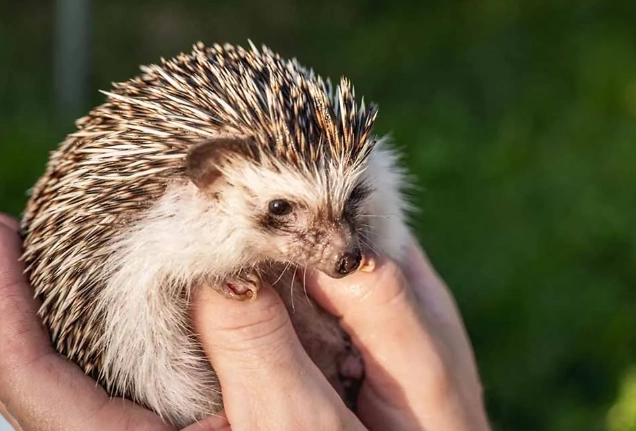
They are crepuscular (most active at dawn and dusk) and can be skittish. Sudden movements or loud noises will send them leaping. The reward for patience, however, is a unique and beautiful bond with a truly exotic pet. They require dust baths, not water baths, which is a fascinating quirk to manage.
How to handle them: Slow and steady wins the race. Let them come to you. When you do pick them up, be very gentle and support their entire body. Their ribs are delicate. The best handling sessions often involve letting them hop around a safe room and interact with you on their own terms.
The "It Depends" Crew: Pets Where Handling Varies Wildly
This group contains popular pets where the answer to "what small pets like to be handled" is a firm "maybe." Success here is almost entirely down to individual temperament, early socialization, and your technique.
Hamsters: The Solitary Souls
Hamsters are solitary by nature. They don't crave social interaction from other hamsters or from humans in the same way a herd animal does. That said, many hamsters can learn to tolerate and even enjoy brief handling sessions, especially if they associate your hands with delicious treats. Syrian (Teddy Bear) hamsters, being larger, often adapt better to handling than some of the smaller, faster dwarf species.
The key is managing expectations. Don't expect a hamster to want a two-hour cuddle session. Five to fifteen minutes of out-of-cage exploration or gentle holding in your hands might be their limit. Watch their body language closely. If they are trying to burrow, leap, or showing signs of stress, it's time to put them back.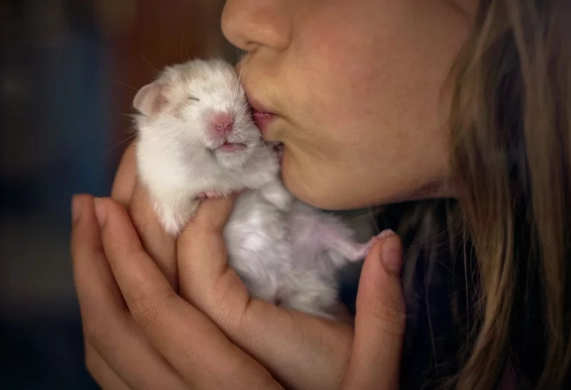
Rabbits (Dwarf Breeds): The Grounded Companions
While not always classified as "small pets" in the same bracket, dwarf rabbit breeds like Netherland Dwarfs or Holland Lops are common companions. It's critical to understand: most rabbits do not like being picked up. In the wild, being scooped up means you're about to be a predator's lunch. That instinct runs deep.
However, many rabbits adore interaction on the ground. They love being petted while they're sprawled out, will nudge your hand for more, and can form incredibly strong bonds. So, if your definition of "handling" includes sitting on the floor with a rabbit who hops into your lap for pets, then yes, they can be wonderful. But if you want an animal to hold in your arms, a rabbit is often a poor choice.
Mice & Gerbils: The Quick and Curious
These tiny, fast-moving pets can be challenging to handle in a traditional sense. They are easily startled and their small size makes them fragile. However, both mice and gerbils can become quite tame with persistent, gentle taming efforts. They may enjoy climbing on your hands and arms during supervised playtime in a secure area.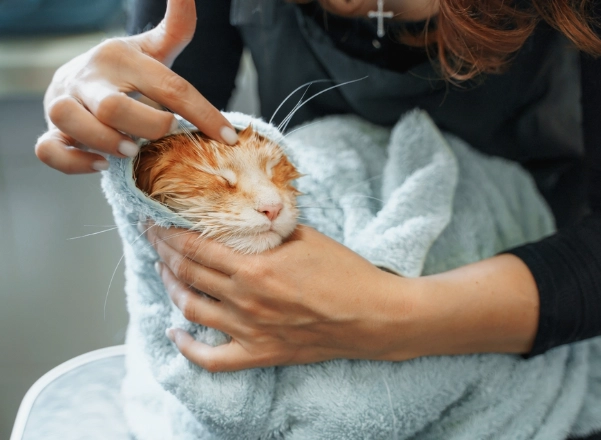
Handling is often less about holding and more about facilitating exploration. Gerbils, being desert animals, are particularly fascinating to watch dig and tunnel. Your interaction with them might be more observational, with occasional hands-on time.
The Universal Guide: How to Handle ANY Small Pet (The Right Way)
Knowing what small pets like to be handled is only half the battle. The other half is you. Your approach can make a fearful animal feel safe or a curious one feel threatened. Here's a step-by-step framework that applies to almost any species.
Step 1: The Foundation of Trust (This is non-negotiable). Spend days, even weeks, just being near the cage without trying to grab. Talk softly. Offer high-value treats (like a piece of vegetable or a seed) through the bars. Let them smell your hand. This teaches them that your presence predicts good things, not scary things.
Step 2: The First Contact. Place your hand, palm up, flat on the bottom of the cage or play area. Let them investigate you. They might sniff, walk on, or ignore you. Be a statue. No grabbing.
Step 3: The Lift. When they are comfortable on your hand, practice the "scoop." Gently place your other hand over their back (like a shell) and lift them, fully supporting their body. For very small pets, cup them in both hands. Move slowly and close to your body or a soft surface. Never lift them high in the air suddenly.
Step 4: Reading the Room (Their Body Language). This is the most important skill. Is your pet relaxed? Are they grooming themselves (a sign of comfort)? Are they eating or exploring calmly? Great! Signs of stress include: freezing stiff, frantic struggling, trying to burrow/hide, rapid breathing, vocalizations (squeaks of protest, not happy ones), and of course, biting or scratching to escape. If you see stress, the session is over. Put them back gently. A short, positive experience is better than a long, scary one.
I can't stress this enough: forcing interaction is the fastest way to create a pet that hates being handled. You have to let them call some of the shots. Some days they're just not in the mood, and that's okay.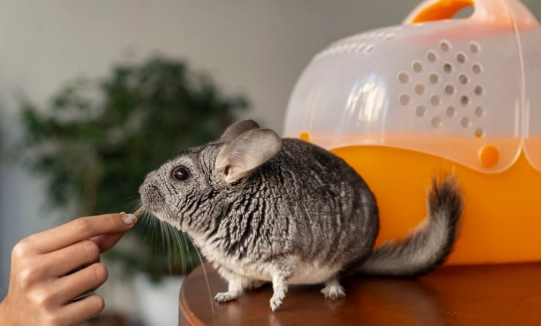
Handling Preferences & Techniques at a Glance
| Pet | General Disposition Towards Handling | Key to Success | What to Avoid |
|---|---|---|---|
| Guinea Pig | Often very positive; seeks companionship. | Full body support, lap time with treats, calm environment. | Grabbing from above, not supporting the rear, loud noises. |
| Rat | Highly social and affectionate; often initiates contact. | Shoulder time, free-roaming in safe area, interactive play. | Tail handling, keeping alone (they need rat friends). |
| Chinchilla | Cautious but can become very trusting. | Patience, letting them come to you, gentle scratches. | Sudden movements, squeezing, water baths. |
| Hamster | Solitary; tolerates/learns to enjoy brief sessions. | Taming with treats, handling during active hours, short sessions. | Waking them, long restraining holds, fast movements. |
| Dwarf Rabbit | Prefers interaction on the ground; dislikes being held. | Petting while they're relaxed on the floor, floor-level bonding. | Forced picking up and cuddling, holding tightly. |
| Mouse/Gerbil | Curious; handling is often exploratory rather than cuddly. | Taming in a confined space, hand-over-hand climbing. | Grasping, chasing them around the cage, holding against their will. |
Answering Your Burning Questions (FAQ)
Beyond Cuddles: The Bigger Picture of Welfare
When we ask what small pets like to be handled, we're really asking how to integrate ourselves into their world in a positive way. Handling is just one part of their overall welfare. An animal that lives in a cramped, boring cage is unlikely to be a happy, handleable animal, no matter the species.
To truly have a pet that enjoys your company, you must first meet its fundamental needs: a spacious and enriching enclosure (the Humane Society of the United States has great guidelines on cage size), a proper species-specific diet, companionship (if they are social animals), and veterinary care from a professional experienced with exotic pets (the Association of Exotic Mammal Veterinarians is a key resource). The RSPCA provides excellent, detailed care sheets for various small pets that are worth bookmarking.
A stressed, unhealthy, or bored pet is not a candidate for happy handling. Enrichment—like digging boxes, chew toys, climbing structures, and foraging puzzles—is not optional. It's what makes them feel like actual animals, not decorations. A mentally stimulated pet is a more confident and interactive pet.
So, the final answer to "what small pets like to be handled" is this: the ones who are treated as individuals with complex needs, whose trust is earned patiently and never taken for granted, and whose well-being is always the top priority. It's not about finding the most passive stuffed animal you can hold; it's about building a genuine, trusting relationship with a fascinating little creature. That relationship, where they choose to interact with you, is infinitely more rewarding than any forced cuddle could ever be.
Start with the right species for your expectations, commit to the process, learn their language, and you might just find yourself with a tiny, wonderful friend who genuinely looks forward to your hands coming into view.


Join the Conversation