You've just brought home a tiny, wide-eyed ball of fluff. The carrier door opens, and... they vanish under the couch. For the next two days, you might only see a glimpse of fur at 3 AM. Is this normal? Did you do something wrong? This is where the 3-3-3 rule for kittens comes in. It's not a training method, but a reality check—a timeline that helps you understand your new pet's emotional journey.
I've fostered over two dozen kittens, from bottle-fed orphans to semi-feral teens. The biggest mistake I see? New owners expecting instant cuddles. That pressure creates anxiety for everyone. The 3-3-3 rule flips the script. It gives you a framework to work with their instincts, not against them.
What You'll Find in This Guide
- What the 3-3-3 Rule Actually Means (It's Not Just Numbers)
- Phase 1: The First 3 Days (Decompression)
- Phase 2: The First 3 Weeks (Exploration & Routine)
- Phase 3: The First 3 Months (Bonding & True Personality)
- What Most Guides Don't Tell You: Common 3-3-3 Mistakes
- Your Top Questions About the Kitten 3-3-3 Rule
What the 3-3-3 Rule Actually Means (It's Not Just Numbers)
The 3-3-3 rule outlines the general stages of adjustment for a kitten in a new environment. Think of it as a map for their confidence.
- 3 Days to start feeling safe enough to stop hiding.
- 3 Weeks to learn the new rhythms of your home.
- 3 Months to feel completely secure and show their full personality.
The key word is guideline. A bold, socialized 8-week-old from a breeder might blaze through this. A 4-month-old rescue from a hoarding situation might need 3 weeks just to make eye contact. The rule sets realistic expectations so you don't misinterpret normal fear as a problem.
Phase 1: The First 3 Days (The "Decompression" Zone)
This phase is all about overwhelm. Your home is a cacophony of new smells, sounds, and giant creatures. Their primary goal is safety.
What Your Kitten is Feeling: "Where am I? I need to hide."
Stress hormones are high. They're in pure survival mode. You might see:
- Hiding (under furniture, in closets).
- Little to no eating/drinking in your presence.
- No interest in play.
- Possibly no litter box use for the first 24 hours.
Your Job: Be a Boring, Safe Provider
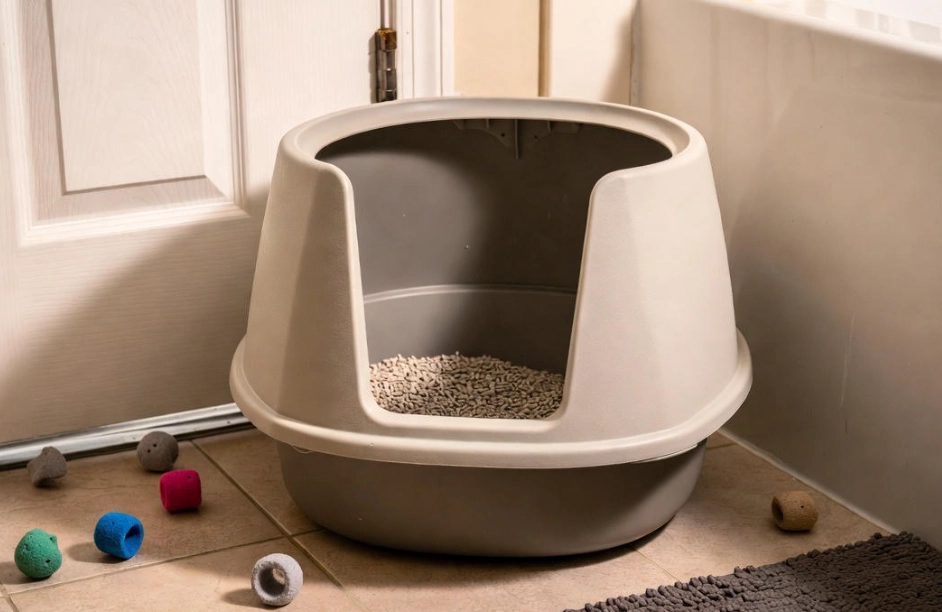
Set up a single, quiet room (bathroom, spare bedroom) with all their resources: litter box, food, water, a cozy bed, and a hiding spot like a covered cat bed or a cardboard box on its side. This isn't cruel—it's compassionate. A small space is less scary.
Go in quietly a few times a day. Sit on the floor, ignore them, and read a book or scroll on your phone. Speak softly. Let them observe that you are not a threat. The goal is for them to associate your presence with calm, not pressure.
I made the mistake once of "rescuing" a hiding kitten for cuddles. It set our trust back by a week. Don't be me.
Phase 2: The First 3 Weeks (Testing the Waters)
If Phase 1 was about surviving, Phase 2 is about cautiously exploring what this new world is about. You'll see the first glimmers of personality.
What Your Kitten is Feeling: "Maybe this place is okay... let's investigate."
- They'll venture out of the safe room when it's quiet.
- Appetite normalizes; they'll eat regularly.
- They start using the litter box consistently.
- You'll catch them playing with toys alone at night.
- They might start greeting you, with cautious rubs or meows.
Your Job: Introduce Routine and Positive Associations
This is where you start building the foundation of your relationship. Keep their routine predictable: feed at the same times, keep the litter box spotless.
Play is your best tool. Use a wand toy to engage their hunting instinct from a distance. It builds confidence without forcing physical contact. End play sessions with a high-value treat.
Slowly allow access to more of the house, one room at a time, under supervision. Let them retreat to their safe room if spooked.
Phase 3: The First 3 Months (Becoming Family)
This is the integration phase. The kitten isn't just living in your house; they're understanding their place in it. Their true character emerges—the goofy, the chatty, the shadow that follows you everywhere.
What Your Kitten is Feeling: "This is my home. These are my people."
- They seek you out for affection and play.
- They have established favorite sleeping spots (likely on your bed or keyboard).
- They respond to their name and household cues (like the sound of the food container).
- Any behavioral issues that stem from insecurity (like over-grooming or skittishness) should be resolving. If not, it's a signal to dig deeper.
Your Job: Solidify the Bond and Address Quirks
Continue with routines. Now is the time for more involved training, like clicker training for fun tricks or getting comfortable with nail trims and handling. Positive reinforcement is everything.
Observe their social preferences. Do they love other pets? Are they a lap cat or a nearby-but-not-on-you cat? Respect their style. The kitten who hid for a week might become your most devoted companion—on their own terms.
What Most Guides Don't Tell You: Common 3-3-3 Mistakes
Everyone talks about what to do. Let's talk about what not to do—the subtle errors that prolong the adjustment.
Mistake 1: The "Flooding" Introduction. Letting the kitten have full run of the house on day one. It's sensory overload. The safe room is non-negotiable for a confident start.
Mistake 2: Punishing Fear. Never scold a hissing or hiding kitten. You're confirming their fear is justified. Ignore the "bad" behavior and reward any brave behavior (like a curious peek) with a treat tossed near them.
Mistake 3: Comparing Timelines. Your friend's kitten was purring in laps on day two. Yours is still hiding. That doesn't mean yours is broken. Personality and past experience are huge factors. A study on feline socialization in the Journal of Veterinary Behavior emphasizes the critical impact of early life experiences on later adaptability.
Mistake 4: Neglecting Vertical Space. Cats feel safe up high. Not providing cat trees or shelves in the early phases forces them to hide under things instead of observing confidently from above.
Your Top Questions About the Kitten 3-3-3 Rule

The 3-3-3 rule for kittens is ultimately a lesson in empathy. It asks you to see the world through their eyes—a giant, uncertain place. By honoring their timeline, you're not just getting a pet to adjust; you're building unshakable trust. You're telling them, without words, that this home is a place where they are heard and safe. And from that foundation, the best kind of friendship grows.





Join the Conversation