In This Guide
- The Golden Rule: Know Your Limits in Home Canine Care
- Building Your Arsenal: The Must-Have Home Dog Care Kit
- Navigating Common Problems: A Practical Room-by-Room Guide
- The Deciding Factor: Your Triage Table
- Answering Your Real-World Questions (The FAQ Section)
- The Part No One Talks About: The Mental Load of Home Care
- Wrapping It Up: Your Partner in Care, Not a Replacement
Let's be honest. There's nothing quite as worrying as seeing your best furry friend not acting like themselves. That sparkle in their eye dims, their tail wags less, or they turn their nose up at dinner. Your first thought might be a frantic call to the vet—and sometimes, that's exactly the right move. But other times, you might wonder if there's something safe you can do right now, at home, to help them feel better. The truth is, a huge part of responsible dog ownership lies in knowing the difference between a minor hiccup you can manage and a serious crisis that needs professional intervention.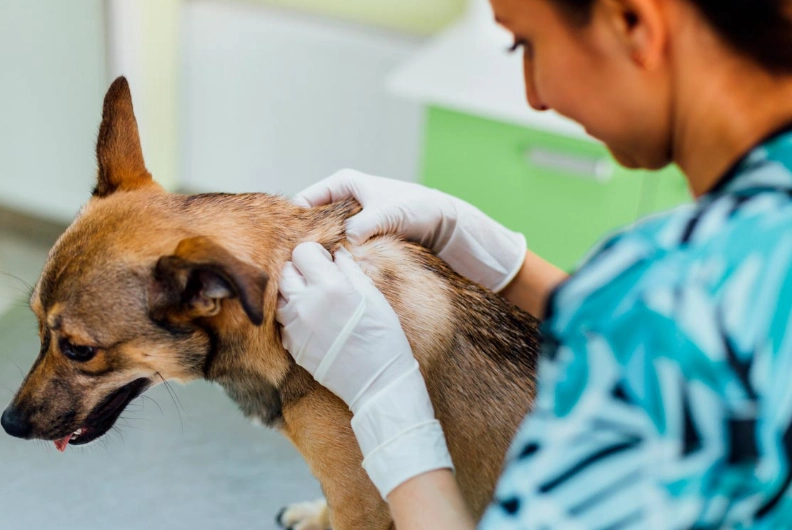
I've been there. My own Labrador, Baxter, once decided that a whole stick of butter (wrapper and all) was a gourmet snack. The resulting… gastrointestinal distress… had me scrambling. Was this a vet emergency, or could I handle this dog health problem treatment at home? It was a long night of monitoring, bland food, and learning.
That's what this guide is for. It's not about replacing your veterinarian. Far from it. It's about empowering you with knowledge. We'll dive into the common issues where home treatment for dogs can be effective, the absolute must-have items for your canine first-aid kit, the red flags that scream "vet now," and the practical, step-by-step care you can provide in those in-between moments. Think of it as your roadmap for navigating those scary-but-common health scares, so you can act with confidence and care.
The Golden Rule: Know Your Limits in Home Canine Care
Before we get into the how-to, we need to lay down the law. Your number one job is to not make things worse. Some well-meaning but misguided treatment at home can delay critical care or even harm your dog.
See? That list comes first. It's the most important thing on this page. For everything else, we need to learn to assess. A good rule of thumb I learned from my vet is the "24-48 Hour Rule" for mild, non-emergency symptoms. If your dog has a single episode of vomiting or diarrhea but is otherwise bright, alert, and interested in water, you can often monitor them at home for a day. If symptoms persist beyond 24-48 hours, or if new symptoms appear, the vet visit is non-negotiable.
Another layer to this is knowing your individual dog. A small symptom in a young, otherwise healthy dog is different from the same symptom in a senior dog or one with a pre-existing condition like heart disease or diabetes. Puppies also get a shorter leash—their little bodies can crash fast. When in doubt, a quick call to your vet's office for advice is never a bad idea. Many clinics now offer telehealth consultations, which are perfect for these "should I bring him in?" moments.
Building Your Arsenal: The Must-Have Home Dog Care Kit
You can't provide good dog health problems treatment at home if you're running to the pharmacy at midnight. A little preparation goes a long way. Here’s what I keep in a dedicated box in my laundry room. It’s not fancy, but it’s saved the day more than once.
- Basic First Aid Supplies: Gauze pads and rolls, self-adhering vet wrap (this stuff is magic—it sticks to itself but not to fur), blunt-tipped scissors, tweezers, a digital pet thermometer (rectal, I'm afraid—it's the most accurate), and sterile saline eye wash.
- Wound Care: Chlorhexidine or povidone-iodine solution (diluted as directed) for cleaning. A triple antibiotic ointment made for pets (some human versions can be harmful if licked).
- Gastrointestinal Rescuers: A can of plain, pure pumpkin purée (not pie filling!). This is fiber magic for both constipation and mild diarrhea. Also, a probiotic supplement formulated for dogs. Plain, boiled chicken breast and white rice are staples you make fresh.
- Comfort & Restraint: An Elizabethan collar (the cone of shame) to prevent licking and chewing. An old towel or blanket. A muzzle—even the sweetest dog may nip when in pain. It's a safety tool, not a punishment.
- Information: The phone numbers for your regular vet, the nearest 24-hour emergency vet, and the ASPCA Animal Poison Control Center (888-426-4435—note there may be a fee). Having the number for a pet poison hotline is non-negotiable.
Honestly, assembling this kit was a weekend project that cost less than a fancy dog toy. And the peace of mind? Priceless.
Navigating Common Problems: A Practical Room-by-Room Guide
Alright, let's get into the nitty-gritty. Here’s where we break down specific scenarios. Remember, this is for mild presentations. If your dog's symptoms are severe or you're just unsure, the safe choice is always professional care.
The Tummy Trouble Department (Vomiting & Diarrhea)
This is probably the number one reason people look up dog home treatment advice. Most dogs will have an upset stomach at some point.
What you can do: The first step is often a short period of fasting. For adult dogs, withhold food (but NOT water) for 12-24 hours. This gives the gut a chance to rest. After the fast, introduce a bland diet. I use a 50/50 mix of boiled white meat chicken (no skin, no bones, no seasoning) and white rice. Feed small amounts—like a quarter of their normal meal—every 3-4 hours for a day or two. That canned pumpkin I mentioned? A tablespoon mixed into the bland food can help firm things up. Probiotics are also great here to replenish good gut bacteria.
When to worry: If the vomiting/diarrhea contains blood (bright red or black like coffee grounds), if it's projectile or constant, if your dog is lethargic, in pain, or trying to vomit but nothing comes up (a sign of possible bloat—a dire emergency).
The Itchy & Scratchy Show (Minor Skin Issues & Allergies)
Hot spots, mild allergic flare-ups, or a simple insect bite can drive a dog (and you) crazy.
What you can do: For a small hot spot or rash, careful clipping of the hair around the area lets air get to it. Gently clean it twice a day with a dilute chlorhexidine solution. Applying a cold compress can soothe itching. An oatmeal bath (using a colloidal oatmeal shampoo made for dogs) can provide temporary relief for generalized itchiness. One thing I found helpful was wiping my dog's paws and belly with a damp cloth after walks during pollen season to remove allergens.
When to worry: If the area is rapidly spreading, is deep, smells bad, or is oozing pus (signs of a serious infection). If the itching is so intense your dog is causing self-trauma, or if it's accompanied by facial swelling or hives (signs of a more systemic allergic reaction).
The Oops-I-Hurt-Myself Corner (Minor Cuts & Scrapes)
Small wounds from running through bushes or a minor tussle at the dog park happen.
What you can do: First, muzzle your dog for safety. Then, gently flush the wound with clean, lukewarm water or sterile saline to remove debris. You can follow with a dilute antiseptic. Pat dry and apply a thin layer of pet-safe antibiotic ointment. The key is to keep it clean and prevent licking. That's where the cone of shame earns its keep. A light, non-stick bandage secured with vet wrap can work for some areas, but it must be kept dry and checked frequently.
When to worry: Any puncture wound (especially from another animal's teeth), deep lacerations, wounds near eyes or joints, or wounds that won't stop bleeding with direct pressure after 10 minutes.
The Limp-along Club (Minor Strain or Soreness)
Your dog comes in from a long hike and is a bit stiff, or has a slight limp with no obvious wound.
What you can do: The classic RICE protocol works for dogs too: Rest (strict leash walks only, no running/jumping), Ice (apply a cold pack wrapped in a towel to the area for 10-15 minutes a few times a day), Compression (harder to do on dogs, but a supportive wrap might help), and Elevation (also tricky, but encouraging them to lie on their side can help). Provide a comfortable, supportive bed. For older dogs with arthritis, ensuring they have a warm, draft-free place to sleep and using ramps instead of stairs can be part of long-term home management.
When to worry: Non-weight bearing lameness (won't put the foot down at all), sudden severe pain, deformity of the limb, or if the limp persists for more than 24-48 hours without improvement.
The Deciding Factor: Your Triage Table
This is the part I wish I'd had years ago. A quick-reference guide to help you make that call. It's not perfect, but it helps cut through the panic.
| Symptom | Likely OK for Home Care (If Mild & Isolated) | Time to Call the Vet | Full-Blown Emergency |
|---|---|---|---|
| Vomiting | One or two times, dog still active and drinking. | Persisting >24 hrs, lethargy, or multiple episodes in a day. | Projectile vomiting, vomiting with blood, non-productive retching (trying to vomit but can't). |
| Diarrhea | Soft stools for a day, dog is otherwise normal. | Lasting >48 hrs, mucus or minor blood streaks, decreased appetite. | Profuse watery diarrhea, large amounts of blood, black/tarry stools, accompanied by collapse. |
| Limping | Slight limp after exercise, improves with rest. | Limp persists for 2 days, mild swelling. | Sudden inability to bear weight, obvious deformity, severe pain response. |
| Skin Issue | Small red spot, single insect bite, mild seasonal itch. | Rash spreading, hot spot forming, persistent licking/chewing. | Facial swelling, hives all over, deep/open infected wound. |
| Low Energy | Sleepy after a big day, slightly less playful. | Lethargy lasting a full day, missing more than one meal. | Collapse, unresponsiveness, inability to stand. |
Look, tables like this are guides, not gospel. You know your dog best. If your gut is telling you something is seriously wrong, even if the symptom seems mild on paper, trust that instinct. It's better to have a vet tell you it's nothing than to regret waiting.
Answering Your Real-World Questions (The FAQ Section)
My dog ate grass and is now vomiting. Is this an emergency?
Usually not. Many dogs eat grass and vomit occasionally. It's often a self-remedy for an upset stomach. Monitor them. The emergency would be if they vomited repeatedly afterward, couldn't keep water down, or if you suspect the grass was treated with pesticides or herbicides.
Can I use hydrogen peroxide on my dog's wound?
Most vets don't recommend it anymore for routine cleaning. While it fizzes and looks like it's working, it can actually damage healthy tissue and slow healing. Stick to sterile saline, clean water, or a diluted chlorhexidine solution for flushing. Save the hydrogen peroxide for one thing only: inducing vomiting only when directed by a vet or poison control expert for recent toxin ingestion.
How do I safely clean my dog's ears at home?
Only clean the parts you can see! Never stick a cotton swab down the ear canal. Use a vet-recommended ear cleaner, squirt some into the ear canal, gently massage the base of the ear for 20 seconds, and then let your dog shake its head. Use a cotton ball or soft cloth to wipe away the loosened debris from the outer ear flap. Do this only if your dog is prone to wax buildup or after swimming, and never if the ear is red, swollen, smelly, or painful—that's an infection needing vet-prescribed meds.
What about natural remedies, like coconut oil or turmeric?
This is a minefield. Some, like a little coconut oil on dry paw pads or a sprinkle of turmeric (mixed with black pepper and a healthy fat for absorption) as an anti-inflammatory supplement, have anecdotal support. However, they are not magic cures. They can also cause issues—too much coconut oil can lead to pancreatitis in susceptible dogs. Always talk to your vet before starting any supplement, "natural" or not. They can interact with medications or underlying conditions.
The Part No One Talks About: The Mental Load of Home Care
Here's a real talk moment they don't put in most guides. Providing dog health problems treatment at home is emotionally draining. The constant monitoring, the worry, the sleepless night listening for retching, the second-guessing yourself—it's a lot.
It's okay to feel overwhelmed.
You're not a bad owner if you feel frustrated when your dog has diarrhea for the third time that day, or if you're exhausted from keeping a cone on a determined patient. This is the unglamorous side of pet parenthood. Give yourself grace. Take shifts with a family member if you can. And remember, seeking professional help isn't a failure; it's a responsible escalation of care when your home toolkit isn't enough.
Wrapping It Up: Your Partner in Care, Not a Replacement
The goal of learning about dog health problems treatment at home isn't to turn you into a backyard veterinarian. It's to make you a more informed, confident, and capable first responder for your family member. It's about providing comfort in the moment, managing minor issues efficiently, and, most critically, recognizing when the situation is beyond your scope.
Your relationship with your vet should be a partnership. When you can provide clear information—"He had two episodes of vomiting starting at 10 PM, I withheld food and offered water, which he kept down, and this morning he's interested in food but I started the bland diet"—you help them help your dog faster and more effectively.
Bookmark this page. Assemble that kit. Save the poison control number in your phone. And then go give your healthy dog a pat, hoping you won't need any of this anytime soon. But if you do, you'll be ready to provide thoughtful, safe, and loving care right from your own home.
Because sometimes, the best medicine is a knowledgeable owner, a can of pumpkin, and knowing exactly when to make that call.





Join the Conversation