Quick Guide
- Step 1: Playing Detective – Figuring Out What's Wrong
- Step 2: Immediate First-Aid & Comfort Care at Home
- Step 3: Home Treatments for Common Minor Issues
- Step 4: Knowing When Home Care Isn't Enough – The Red Flags
- Step 5: Nursing Your Dog Back to Health – The Recovery Phase
- Common Questions About Treating a Sick Dog at Home
- Building Your Dog Home Care Kit
Let's be honest. When your dog looks up at you with those sad eyes, refusing food or just not acting like themselves, it's terrifying. The vet's office isn't always an immediate option—maybe it's late at night, or finances are tight this month. So the question hits you: how do you treat a sick dog at home safely and effectively?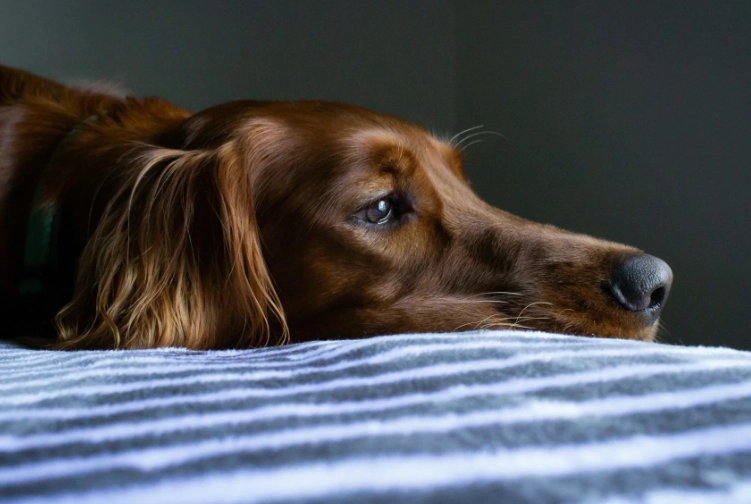
I've been there. With my senior Labrador, Barley, we've had our share of upset stomachs and mystery limps. I've learned that home care isn't about playing vet; it's about providing knowledgeable, compassionate support until professional help is needed or the issue resolves. This guide is the one I wish I'd had years ago. We'll walk through the steps, from figuring out what's wrong to providing comfort and knowing the exact moment to pick up the phone.
Step 1: Playing Detective – Figuring Out What's Wrong
You can't treat what you don't understand. Before you do anything, you need to be a calm, observant detective. Is your dog just tired, or is this something more? The answer to "how do you treat a sick dog at home" always starts with assessment.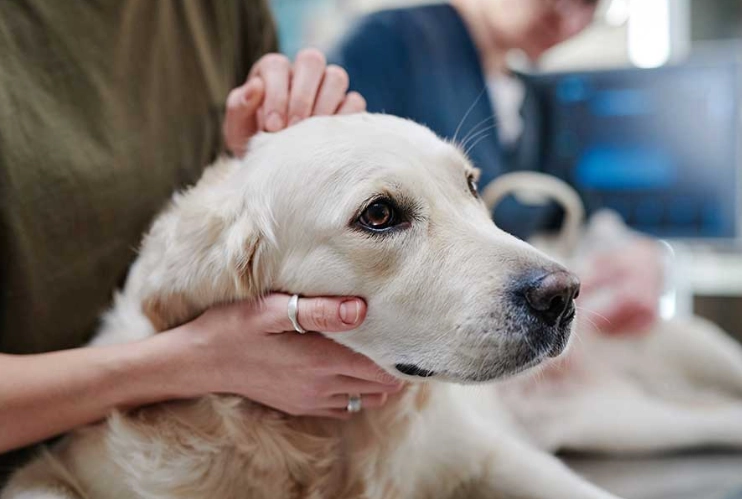
The Big Five Symptoms to Watch For
These are the most common signs that tell you something's off. Look for changes in your dog's normal behavior.
- Lethargy vs. Fatigue: A tired dog naps after the park. A lethargic dog shows zero interest in their favorite walk or toy. It's a profound lack of energy.
- Appetite Changes: Skipping one meal might be okay. Refusing food for 24+ hours, or showing sudden increased thirst, is a signal.
- GI Upset: Vomiting or diarrhea. The key questions are: How frequent? What's in it (food, bile, blood, foreign objects)?
- Changes in Bathroom Habits: Straining to go, changes in urine color/frequency, or accidents in a house-trained dog.
- Visible Discomfort: Whining, panting excessively when at rest, trembling, or constantly licking/chewing a specific spot.
I remember once Barley just kept licking his paw. I thought it was a habit until I saw a small red swelling between his toes. A tiny foxtail was the culprit. The point is, the small signs matter.
Taking a "Paw-rent" Report
Gather this info. It's crucial if you end up calling the vet, and it helps you track progress at home.
Step 2: Immediate First-Aid & Comfort Care at Home
Okay, you've assessed the situation. It seems mild—maybe a 24-hour bug or an upset stomach from a new treat. Now, how do you treat a sick dog at home in these first critical hours? The goal is comfort, hydration, and rest.
The Golden Rule: The 24-Hour Food Fast
For vomiting or diarrhea, the single best thing you can do is give the GI tract a break. Withhold all food for 12-24 hours. Yes, even if they beg. Offer small amounts of water frequently. This isn't cruel; it's often the cure.
Some people swear by ice cubes instead of water to prevent gulping and re-upsetting the stomach. It worked wonders for Barley after his infamous "rotten fish on the beach" incident.
Bland Diet: The Comeback Meal
After the fast, and once vomiting has stopped for a few hours, you reintroduce food with a bland diet. The classic recipe is plain, boiled white meat chicken (no skin, no bones, no seasoning) mixed with plain, white rice. Portions should be small—like a quarter of their normal meal size. Feed 3-4 tiny meals throughout the day.
Some dogs have chicken sensitivities, so boiled lean hamburger (drained of all fat) or low-fat cottage cheese are alternatives. The American Kennel Club (AKC) has great resources on bland diet options for sensitive dogs.
| Symptom | Immediate Home Action | What to Avoid |
|---|---|---|
| Mild Vomiting (1-2x) | 12-hour food fast, offer ice cubes/water. | Giving food or treats immediately. |
| Diarrhea | 24-hour food fast, ensure hydration. | Dairy products, fatty foods. |
| Low Energy/Lethargy | Provide a quiet, comfortable resting spot. | Forcing exercise or play. |
| Minor Cough/Kennel Cough | Humidifier in the room, honey (1/2 tsp for med dogs). | Human cough syrup (can be toxic). |
Step 3: Home Treatments for Common Minor Issues
Beyond the bland diet, there are a few vet-approved home remedies for specific, minor problems. This is where you really learn how to treat a sick dog at home for the stuff that pops up regularly.
For an Upset Stomach & Diarrhea
- Plain Canned Pumpkin (100% pure): A tablespoon for small dogs, a few for big ones. It's a great source of fiber that can help firm things up. Not pumpkin pie filling!
- Probiotics: Specially formulated canine probiotics can help repopulate good gut bacteria. I keep a tube in my fridge now.
For Itchy Skin or Minor Hot Spots
A cool bath with a gentle, oatmeal-based dog shampoo can soothe itchy skin. For a small hot spot, carefully trim the hair around it, clean it gently with a saline solution or diluted chlorhexidine, and keep your dog from licking it (hello, cone of shame).
The Human Medicine Trap
This is so important it needs its own section. Never give human medication without explicit vet instruction.
The U.S. Food and Drug Administration (FDA) has clear warnings about this. It's just not worth the risk. If you think your dog needs pain relief, that's a vet call.
Step 4: Knowing When Home Care Isn't Enough – The Red Flags
This is the most critical skill in learning how do you treat a sick dog at home: knowing when to stop. Home care has strict limits. If you see any of these, the home protocol ends, and the vet protocol begins immediately.
- Repeated Vomiting/Diarrhea: More than 2-3 times in an hour, or anything containing blood (fresh red or coffee-ground looking).
- Blotting or Distended Abdomen: A hard, swollen belly is a POTENTIAL EMERGENCY for bloat (GDV), especially in large, deep-chested breeds.
- Difficulty Breathing: Noisy, labored breathing, or pale/blue gums.
- Neurological Signs: Seizures, staggering, collapse, or sudden blindness.
- Straining Unproductively: Trying to urinate or defecate with nothing coming out is an emergency.
- Signs of Extreme Pain: Crying out, aggressive when touched, or completely immobile.
- No Improvement: If your dog isn't showing any sign of improvement after 24-48 hours of home care, it's time for a professional opinion.
Look, I've hesitated before. The "maybe it'll get better by morning" thought is strong. But with Barley's sudden lethargy and refusal to move one night, I'm glad I didn't wait. It was a severe arthritic flare, and he needed prescription meds I couldn't provide. Trust your gut. If you're deeply worried, you're probably right to be.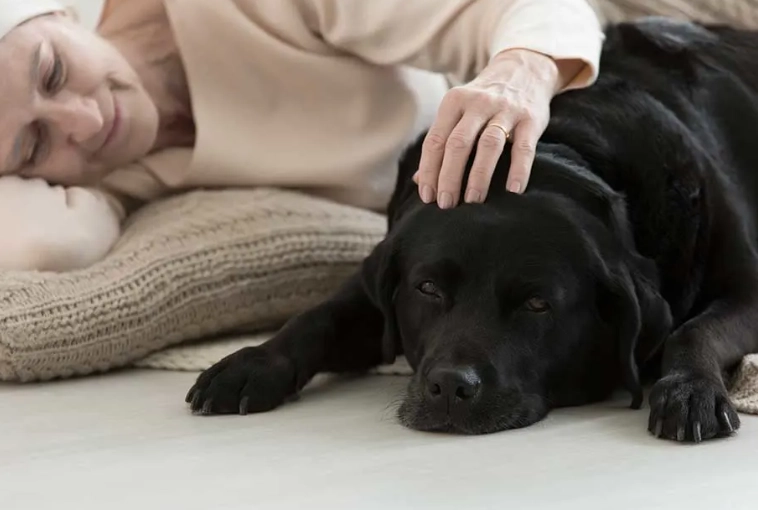
Step 5: Nursing Your Dog Back to Health – The Recovery Phase
Let's say the worst has passed. The vomiting stopped, energy is creeping back. How do you treat a sick dog at home during recovery? This phase is about gentle support.
Creating a Sick Room
Set up a quiet, comfortable area away from household hustle. Use easy-to-clean blankets or pads. Ensure fresh water is always within reach without them having to get up. Good lighting helps you monitor them, but a dim option helps them rest.
Hydration is Everything
If they're still hesitant to drink, try low-sodium chicken or beef broth (onion and garlic-free!), or make "doggy ice pops" with broth in an ice cube tray. You can also offer water with a syringe (no needle) into the side of their mouth, slowly.
Gradual Return to Normal
Stick with the bland diet for 2-3 days after symptoms fully resolve. Then, over another 2-3 days, slowly mix their regular food back in, increasing the ratio each meal. Don't rush this! A sudden switch back to kibble can restart the whole cycle.
Keep walks short and sweet, just for bathroom breaks. No dog park, no strenuous play until they are 100% back to normal for a few days.
Common Questions About Treating a Sick Dog at Home
Here are the specific questions I get asked all the time, the ones that keep pet parents searching online at midnight.
What can I give my dog for vomiting at home?
First, identify the cause. If it's a one-off, likely dietary indiscretion, the answer is often nothing by mouth (except small sips of water) for 12 hours. After that, a bland diet. Do not give human anti-nausea meds like Pepto-Bismol without vet approval; it contains aspirin derivatives and can be risky. The core of knowing how do you treat a sick dog at home for vomiting is about management and diet, not medication.
My dog won't eat. How long is too long?
A healthy dog can go 24-48 hours without food, provided they are drinking water. For small breeds or dogs with pre-existing conditions (like diabetes), this window is much shorter—call your vet sooner. The bigger concern is anorexic dogs who also refuse water. That's a 24-hour max before you need help.
Are there any safe over-the-counter meds?
Very few, and always with caution. Veterinarian-formulated products exist for things like joint supplements, probiotics, or anxiety. For actual medication, the answer is almost always no. The American Veterinary Medical Association (AVMA) stresses that dosing for animals is vastly different and that many common drugs are poisonous. When in doubt, assume it's not safe.
How can I tell if it's serious or just a bug?
You use the "red flag" list above as your checklist. Also, know your dog. A slight slowdown in my energetic Barley means more than it would in a naturally lazy dog. Severity, progression, and the presence of multiple symptoms are key. A single symptom (mild diarrhea) that improves is different from diarrhea combined with lethargy and no appetite, which is getting worse.
Building Your Dog Home Care Kit
Being prepared makes answering "how do you treat a sick dog at home" so much easier. Here's what I keep on hand:
- Tools: Digital pet thermometer, lubricant (like KY Jelly). A syringe (no needle) for administering fluids or food.
- First-Aid Basics: Self-adhesive bandage wrap (vet wrap), gauze pads, blunt-tipped scissors, tweezers, saline eye wash.
- Comfort Items: Extra washable blankets/pads, a heating pad (set on low, with a blanket barrier).
- Dietary Aids: A few cans of plain pumpkin, a bag of white rice, a jar of low-sodium broth (no onion/garlic).
- Information: Your vet's phone number, the nearest emergency vet's number, and the ASPCA Animal Poison Control number (888-426-4435) saved in your phone.
Having this kit took my anxiety from a 10 to a 4 when Barley had his next episode. It made me feel capable.
So, that's the real-world guide. Treating a sick dog at home is a blend of calm observation, providing basic comfort and hydration, and having the wisdom to know when your role shifts from caregiver to advocate who gets professional help. It's about doing the simple things right: rest, fluids, bland food, and lots of quiet comfort. And always, always erring on the side of caution. Because at the end of the day, they rely on us to make the big calls. With a little knowledge and a lot of love, you can navigate those scary sick days and help your best friend feel better.




Join the Conversation